4.11 million foreign tourists visited the Philippines in the first eight months of 2026. The figure puts the country on track to welcome between 6.4 million and 6.8 million international visitors this year, with the government still eyeing the possibility of reaching 7 million.
According to preliminary Department of Tourism (DOT) data, arrivals from January to August were 3.7% higher than the same period last year. The United States led with 818,318 visitors, followed by South Korea, Japan, China, and Australia.
But the bigger tourism story is not just how many people are coming. It is where they are going once they arrive.
The Philippines' Tourism Map Is Expanding
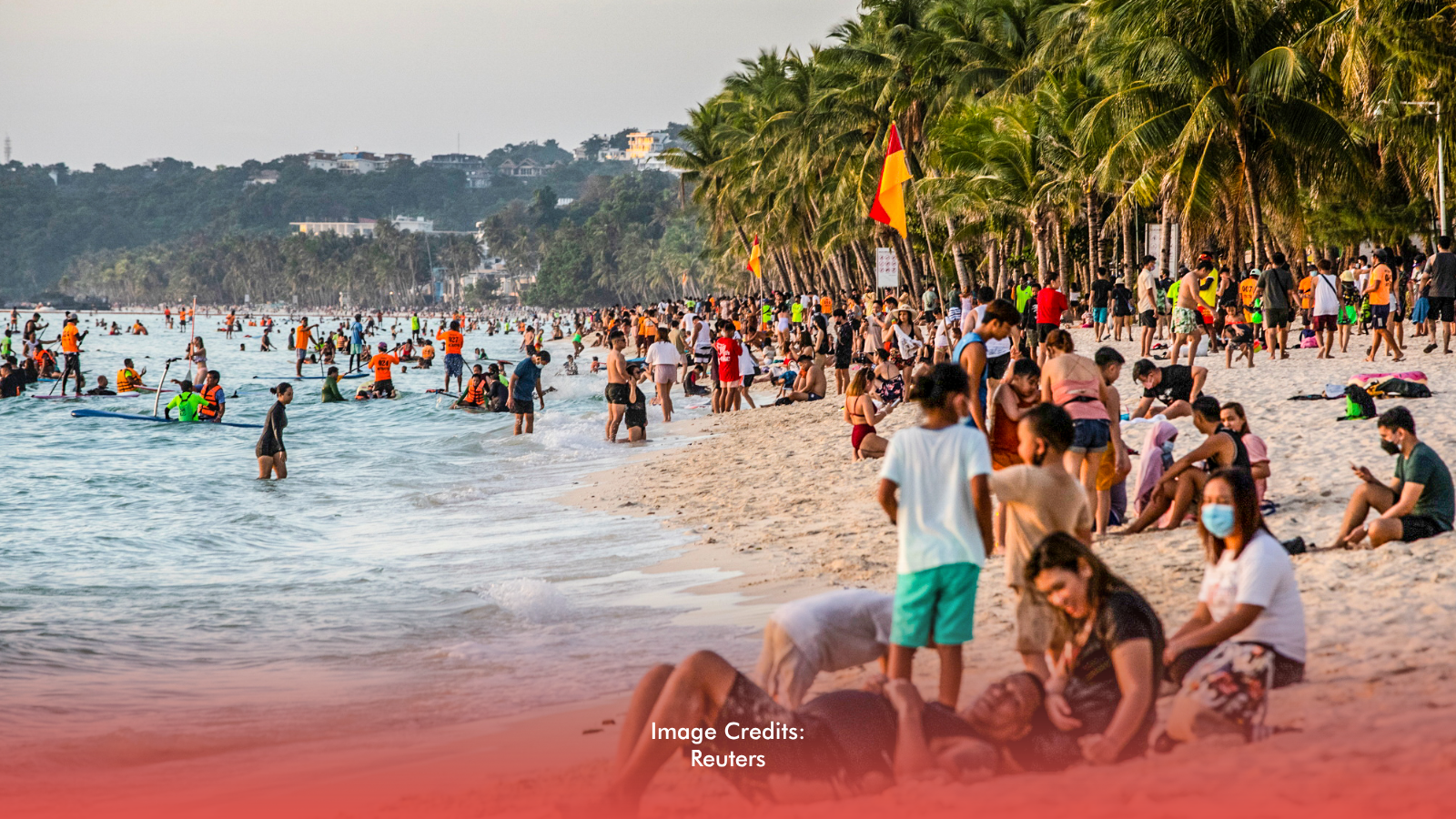
For many international travelers, the Philippine itinerary remains familiar, with Manila, Boracay, Cebu, Palawan, and Bohol dominating the country's tourism image. These destinations have established airports, hotels, tour operators, restaurants, and attractions that make them easier for foreign visitors to reach and explore.
But the country has a much bigger tourism map, and the government is looking for ways to bring international travelers closer to more destinations. One proposal would expand visa-free entry arrangements for Chinese tourists beyond Manila and Cebu to gateways including Clark, Caticlan, Bohol, and Palawan, while the DOT is also pursuing more chartered flights from markets such as China and South Korea.
Beyond Beaches and Resorts
The Philippines has long sold itself through its beaches, but international visitors have plenty of other reasons to explore the country. Iloilo and Bacolod offer food, heritage, and festivals, while Davao, Northern Luzon, and parts of Mindanao offer opportunities in nature, adventure, culture, and business tourism.
The challenge is making these destinations visible, accessible, and easy to book for travelers who may have never heard of them. The DOT has been working with travel platform Klook to promote tourism products from regions including the Cordillera, Panay, Negros, and Bukidnon, potentially giving smaller tourism businesses greater access to international travelers.
More Tourists Could Mean More Regional Opportunities
A foreign visitor can contribute to the economy well beyond their hotel booking. They may hire a local guide, eat at an independent restaurant, join a tour, use local transportation, or buy products from small businesses.
That makes destination diversity important as the country's visitor numbers grow. If more tourists venture beyond established tourism centers, more communities could have a chance to benefit from the country's expanding international tourism industry.
The Visitor Base Is Growing
The 2026 figures also show that Philippine tourism is attracting travelers from a broad range of markets. The US accounted for 818,318 arrivals from January to August, South Korea recorded 727,379, Japan had 350,191, China reached 310,088, and Australia contributed 234,156.
Chinese arrivals are particularly notable, rising 69.15% compared with the previous year. India and Canada are also among the country's important source markets, giving Philippine destinations more opportunities to promote experiences tailored to different types of travelers.
The Next Tourism Story Is About Where Visitors Go
Reaching 6.4 million to 7 million foreign arrivals would be a significant milestone for the Philippines. But the bigger opportunity may be getting those visitors to stay longer, explore more destinations, and spend more of their travel budget in local communities.
The Philippines already has millions of reasons to visit, from beaches and diving sites to food, culture, festivals, and nature. The next challenge is showing the world how much more there is to discover.