Filipino farmers are getting a chance to learn modern technology that could make rice farming more efficient, productive and affordable.
The Villar Foundation (VF) and the Philippine Center for Postharvest Development and Mechanization (PhilMech) have partnered to provide free training for agricultural trainers on the use of modern farming equipment and techniques.
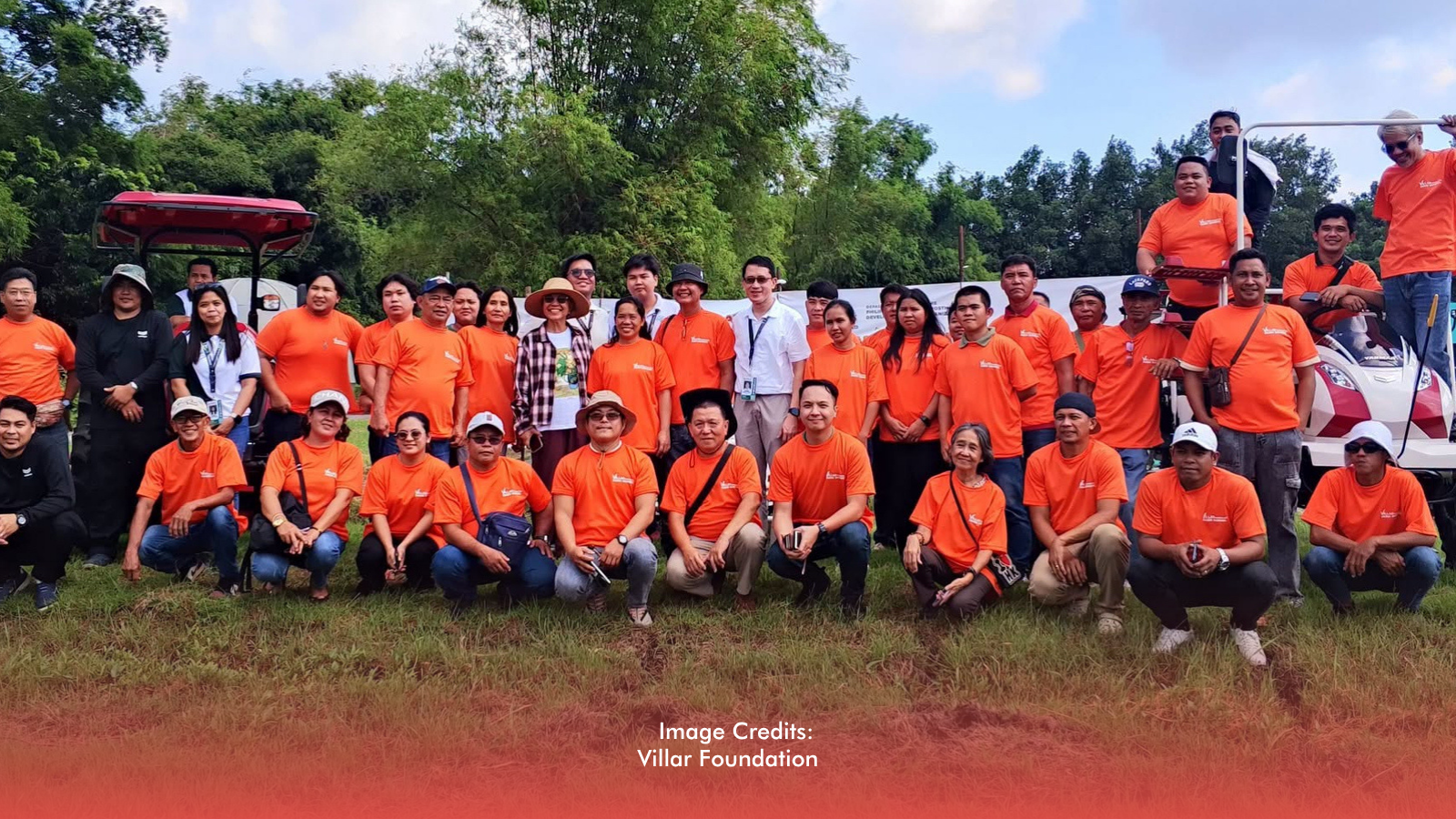
Held at the VF farm school in Bacoor, Cavite, the program is designed to help trainers share practical knowledge with farmers, particularly on technologies that can improve yields, reduce production costs and support higher farm income.
Making Rice Planting Easier and More Efficient
One of the main technologies featured in the training is the mechanical rice transplanter, which can make one of the most labor-intensive parts of rice farming faster and more precise.
The machine automatically picks seedlings from trays, separates them at controlled intervals and plants them at consistent depths and spacing.
With more uniform planting, farmers can potentially save time and labor while achieving a more organized rice field.
Connecting Farmers to More Support
The training also introduces participants to the Rice Tariffication Law and the programs it funds to support farmers.
These include the distribution of farm machinery and high-quality inbred seeds, training opportunities, direct financial assistance and support for composting facilities through the Bureau of Soils and Water Management.
VF co-founder and managing director, former Senator Cynthia Villar, highlighted the value of giving farmers access to knowledge, support and appropriate technology.
“With the right knowledge, adequate support, and modern technology, we can further empower our farmers toward a more productive, resilient and prosperous agricultural sector,” the Foundation said in a Facebook post.
Building Skills for the Next Generation of Farmers
Villar and PhilMech Acting Chief-TMTD Engr. Domingo R. Miranda attended the opening of the training at the VF farm school.
The facility also serves as a venue for agricultural training in vegetable farming, aquaculture and carabao breeding.
Through the partnership, agricultural trainers are gaining practical skills they can bring back to their communities, helping more Filipino farmers access modern technology, reduce farming costs, improve productivity and create better opportunities for their families.