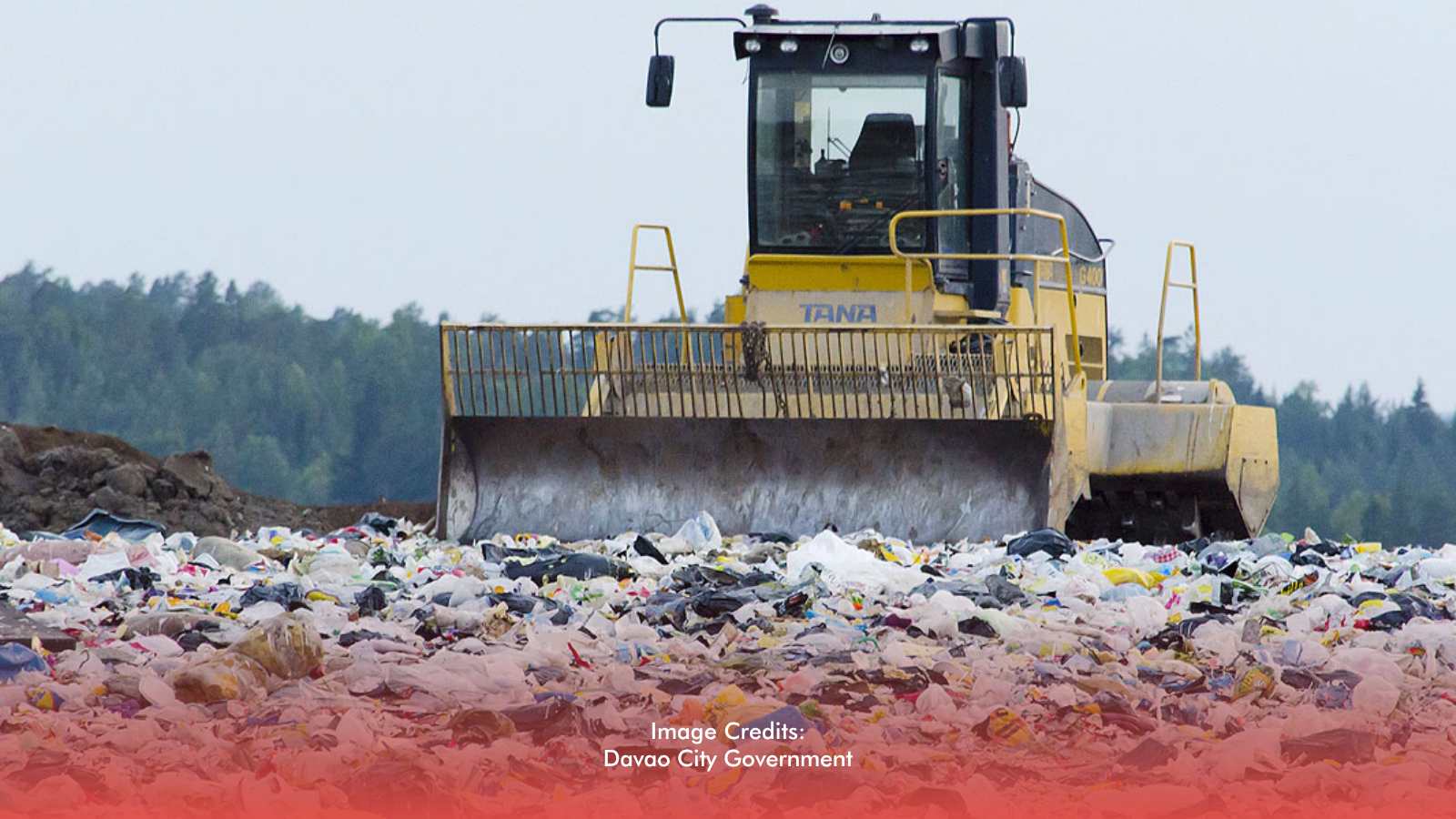
The recent flooding and accumulation of garbage across parts of Metro Manila have renewed attention on the country's plans to convert residual waste into electricity, as the government moves to accelerate its waste-to-energy (WTE) program.
President Ferdinand Marcos Jr. has instructed the Department of Energy (DOE) to work toward implementing the WTE program within 18 months, following the “sea of trash” left by heavy monsoon rains last week. The directive came as the President inspected clearing and waste collection activities at the Diokno Pumping Station in Pasay City.
RELATED: [MMDA Flags Waste Management as Major Challenge in Metro Manila]
Marcos acknowledged that establishing the system will require coordination and implementation work, even though the technology itself has already been technically settled.
“It’s not so easy to do because we have to put the system together — we have never done it before,” Marcos said. “In terms of the technical side, that’s done ... now what we are trying to do is to put the system together,” he added.
DOE Raises WTE Capacity Target
The DOE has resumed preparations for the Special Auction Round for WTE under the Green Energy Auction Program. As part of the updated plan, the agency increased its installation target from 230 megawatts (MW) to 400 MW and adjusted the auction conditions to attract more private sector participation.
The auction is scheduled for Oct. 13, 2026, with projects awarded to winning bidders expected to reach Mechanical Completion by the end of 2028 and start supplying electricity by the end of 2029, according to the DOE.
The scale of Metro Manila's waste generation underscores the potential of the program. DOE estimates show that the capital region produces around 9,000 metric tons of municipal solid waste daily, a volume that could potentially support up to 200 MW of WTE capacity.
Energy Secretary Sharon Garin said proposed facilities must balance waste management and energy production with environmental protection.
“We want projects that are technically sound, environmentally compliant, supported by sustainable feedstock, commercially viable, and capable of delivering electricity to the grid,” Garin said.
WTE to Complement Waste Reduction Efforts
The government stressed that turning waste into energy is not intended to eliminate the need for conventional waste management practices. The DOE said WTE should instead work alongside waste reduction, segregation, reuse, recycling and materials recovery programs.
This distinction is important as the country deals with both mounting waste volumes and the effects of intense rainfall.
At the national level, the program's success will depend on whether environmental safeguards, waste reduction and responsible disposal remain central to implementation.