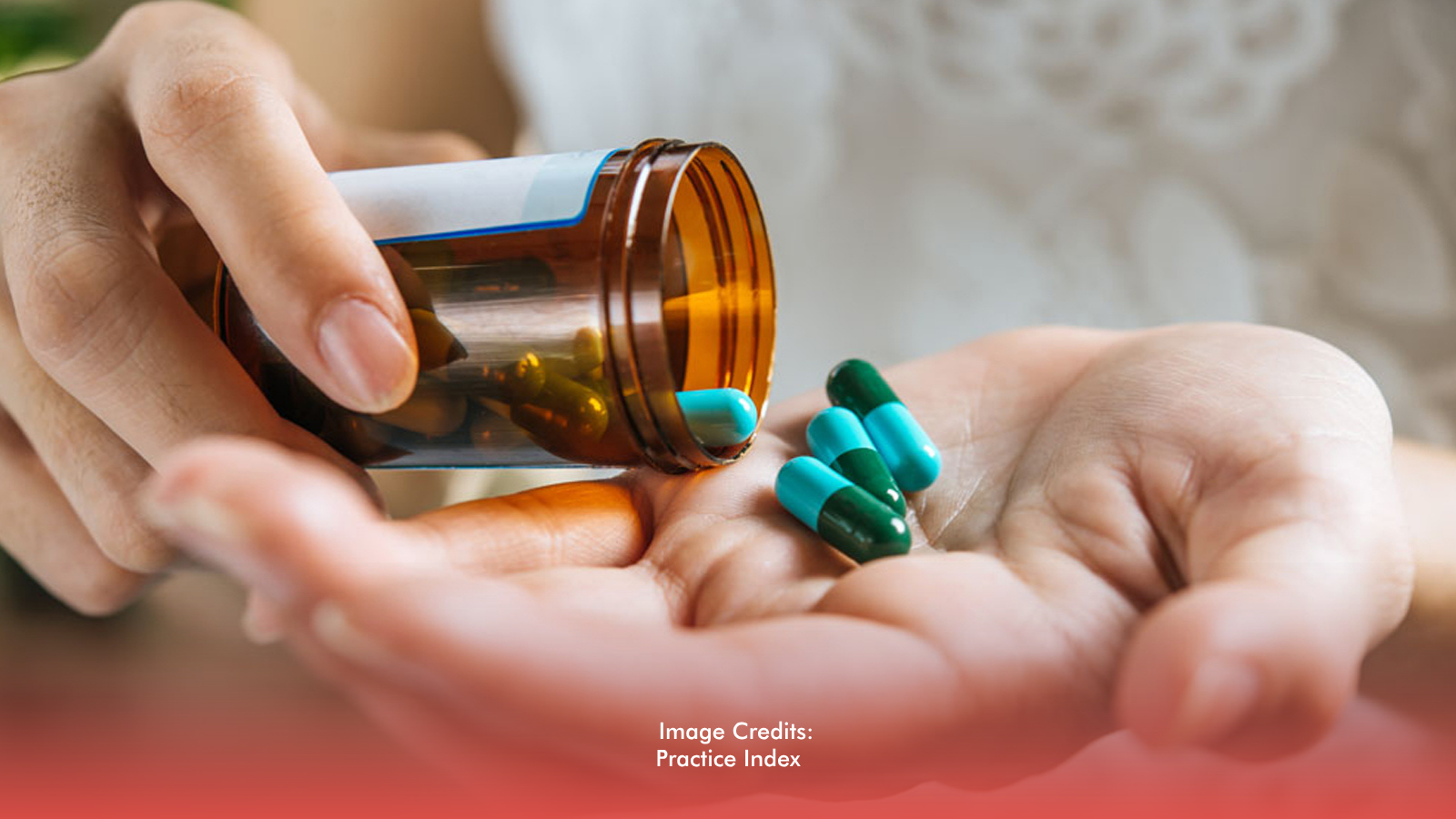
For years, Angel, a transgender woman from Negros Oriental, relied on contraceptive pills from pharmacies, hormones bought online, and injections recommended by friends and Facebook groups—all without consulting a doctor.
“I sometimes experience headaches and shortness of breath, but I never consulted a doctor,” Angel said in Cebuano.
It wasn't until recently that she learned doctors trained in transgender health care even existed.
Her story highlights a growing gap in the Philippine health-care system. Medical experts say the lack of accessible transgender health services, particularly outside major cities, is driving many transgender Filipinos to self-medicate with hormones, often without proper medical supervision.
Limited Access Leaves Few Options
For many transgender individuals, gender-affirming hormone therapy is an important part of their transition. However, finding doctors with expertise in transgender health remains difficult, forcing many to rely on social media, online sellers, and peer advice instead of licensed health professionals.
Dr. Vincent Martin Bravo, an endocrinologist in Dumaguete City specializing in transgender health care, said many patients arrive at his clinic after months or even years of self-medicating.
"About half of the transgender individuals who eventually seek professional care are taking medications that are not recommended, such as synthetic contraceptive pills, or they are taking the correct medications but at the wrong dosage," Bravo said.
A Hidden Public Health Concern
Bravo said self-medication is especially common among transgender individuals preparing for gender-affirming surgeries.
"Among those interested in procedures such as breast augmentation or sex reassignment surgery, about 93 percent have engaged in self-medication before consulting a health-care provider," he said.
Without proper medical guidance, hormone therapy can increase the risk of serious health complications.
Need for Better Access to Care
Bravo said the true extent of self-medication in the Philippines remains unknown because available data only include transgender individuals who have sought professional care.
He added that access to transgender health specialists and laboratory services is even more limited in smaller provinces, leaving many with few safe options for hormone therapy.
For many transgender Filipinos, the issue is not a lack of willingness to seek medical care—but a lack of accessible services that can provide it.