
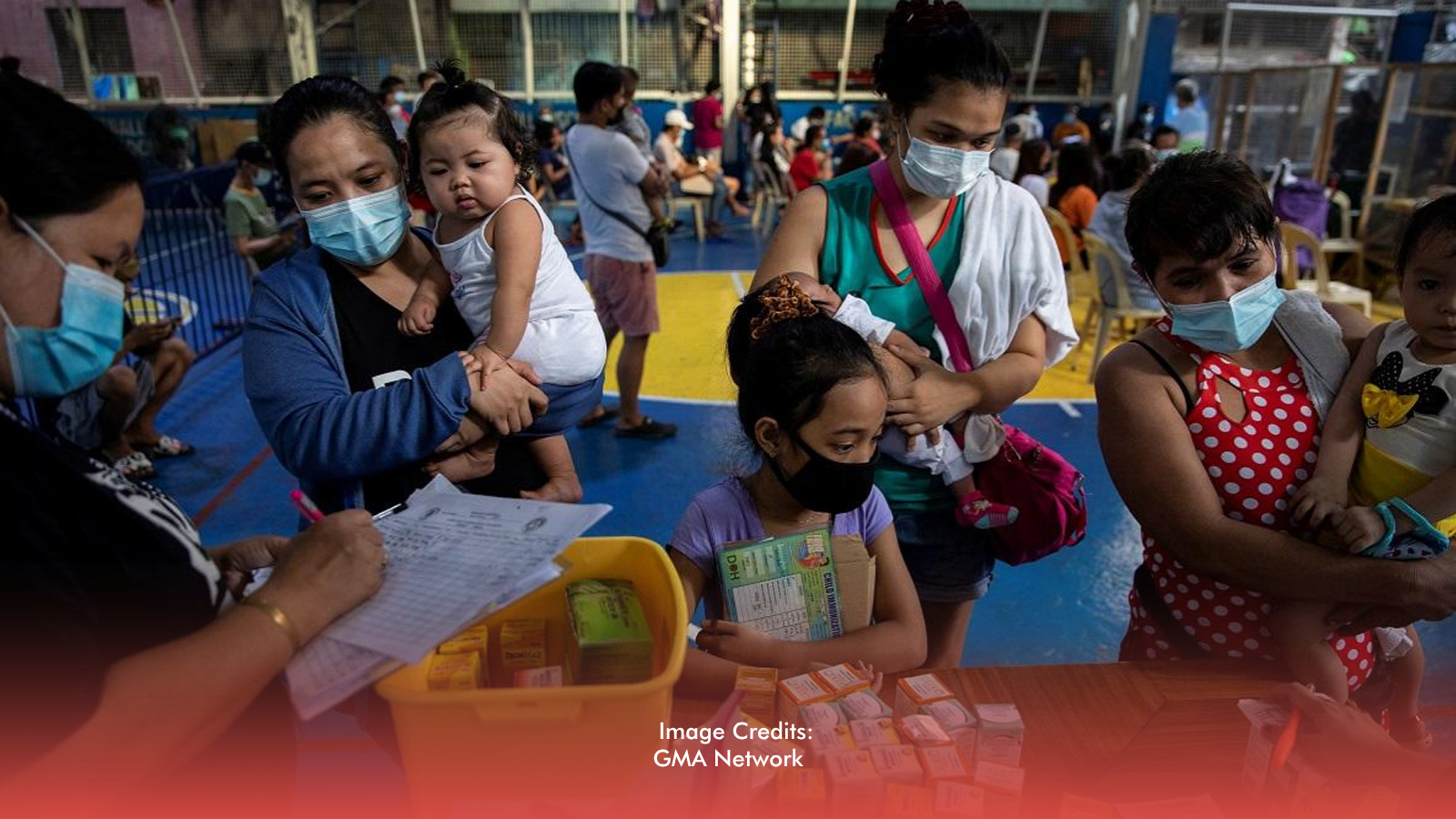
The Philippines has the capacity to provide health care, but many Filipinos still face difficulties getting the treatment they need when they need it.
This was the assessment of Inquirer data scientist Dr. Alicor Panao based on the 2025 CEOWorld Magazine Health Care Index, which evaluates how effectively health systems serve people in practice—not just how many hospitals, doctors, or facilities a country has.
The Philippines ranked 87th out of 110 countries with a score of 32.55. The index measured countries across several areas, including medical infrastructure, availability and affordability of medicines, government readiness, and overall health care performance.
According to Panao, the results suggest that while the country has health resources, access to those services remains uneven.
A Gap Between Capacity and Delivery
The data paints a mixed picture of the Philippine health system.
The country scored relatively well in medical infrastructure and health professionals at 73.74, while medicine availability received 53.81 and government readiness 57.45.
For Panao, these figures indicate that the problem is not simply a lack of hospitals or health workers. Instead, the challenge lies in ensuring that health services are delivered consistently across different parts of the country.
Major urban centers generally have better access to health facilities and specialists, while many communities outside large cities continue to face barriers to care.
Panao, an associate professor at the University of the Philippines, said the findings point to a governance issue, where existing resources are not always translated into reliable services for the public.
Lessons From Top-Performing Countries
Countries that topped the index—including Taiwan, South Korea, Australia, Canada, and Sweden—share a common approach: treating health care as a long-term national priority supported by strong public investment and broad access.
In Southeast Asia, Singapore stood out with a score of 57.96, significantly ahead of its neighbors. Other countries in the region, including Indonesia, Thailand, Malaysia, the Philippines, and Vietnam, clustered much lower in the rankings.
Panao said the results highlight a challenge shared by many countries in the region: turning health care capacity into dependable access for ordinary citizens.
With national attention often focused on political issues, he added that the rankings serve as a reminder that improving everyday public services—especially health care—remains one of the most pressing concerns for Filipinos.