The Department of Science and Technology (DOST) is advancing locally developed energy solutions as the country continues to experience the impact of fuel supply disruptions and an ongoing energy emergency.
Through its Forest Products Research and Development Institute (FPRDI), the agency has developed bamboo pellets and charcoal briquettes as cleaner, more efficient biomass-based alternatives that can be produced from local resources. DOST Secretary Renato Solidum Jr. said these innovations show how abundant materials can be converted into practical energy sources that support both sustainability and energy security.
Bamboo pellets as high-density renewable fuel
Bamboo pellets are compressed biomass fuel made from processed bamboo designed for efficient and high-energy combustion. DOST said these pellets have higher energy density than common biomass such as wood chips and agricultural waste, allowing them to produce more energy in a smaller volume.
Typically measuring 8–12 mm in diameter and 20–30 mm in length, bamboo pellets are also lightweight and easy to transport. One cubic meter can generate up to 12.15 gigajoules of energy, equivalent to about 3,350 kilowatt-hours, according to DOST-FPRDI researcher Dr. Anniver Ryan Lapuz.
The pellets can be used in coal-fired plants as a co-firing fuel, in biomass industries as a supplement to materials like rice hull and bagasse, and even at the household level for cooking. Studies also show that blending bamboo pellets with coal can reduce greenhouse gas emissions.
DOST-FPRDI Director Rico Cabangon noted that bamboo is ideal for energy production because it grows rapidly and thrives in a wide range of conditions, including degraded and low-quality lands.
Charcoal briquettes for cleaner household energy
DOST also highlighted charcoal briquettes as another practical alternative. These are made by compressing charcoal fines with a binding material under high pressure, producing uniform fuel blocks.
Compared to traditional charcoal, briquettes are cleaner, easier to handle, and burn more consistently. They also produce less smoke and deliver stronger heat per unit volume, making them more efficient for cooking and small-scale use.
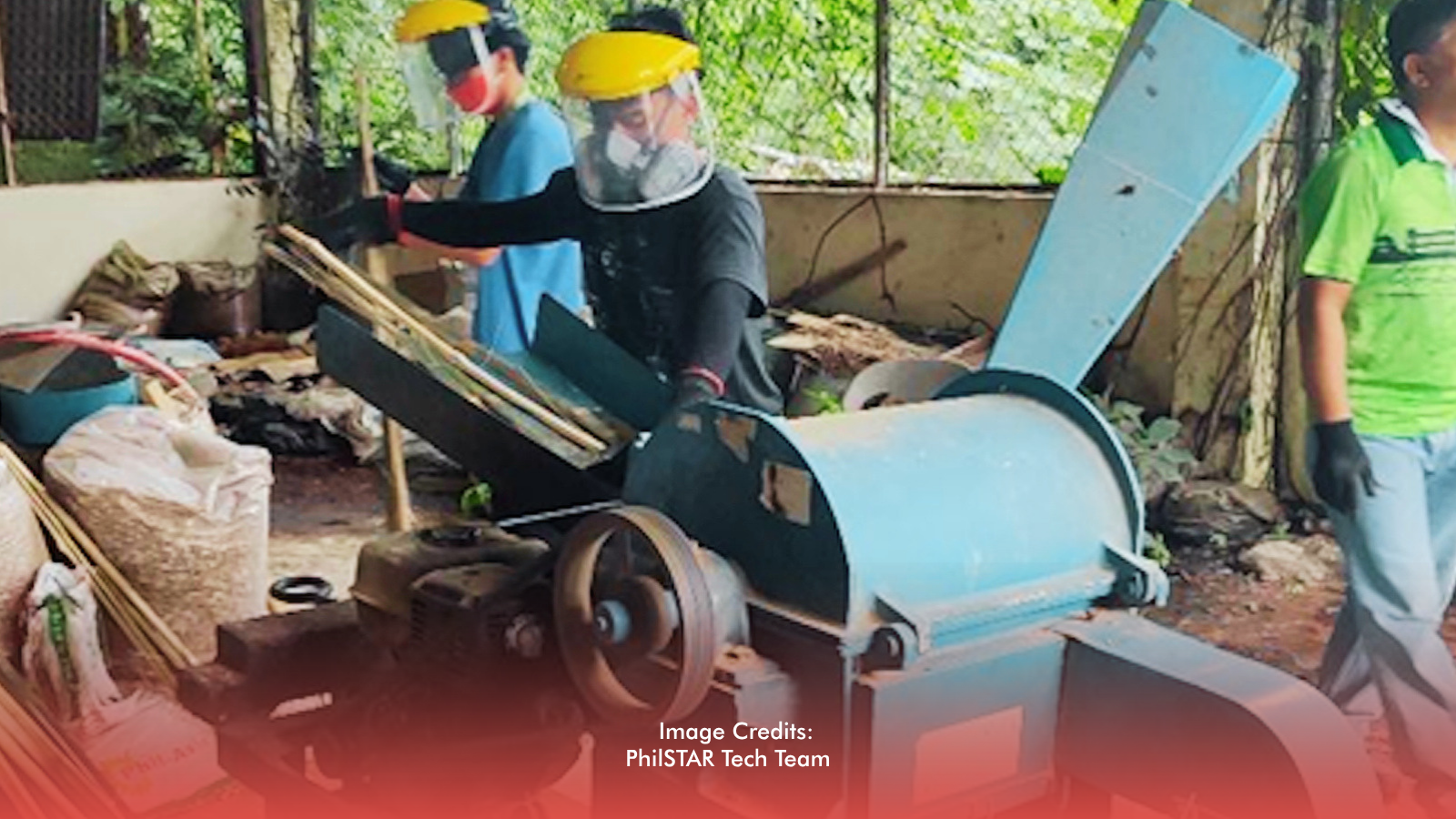
The FPRDI has developed both manual and hydraulic briquetting systems that can be adopted for community or small enterprise production.
Supporting rural livelihoods through local energy production
Beyond energy security, DOST said these technologies also open opportunities for rural communities and micro-enterprises. Cabangon said small-scale pelletizing and briquetting operations could provide additional income while supporting a more localized and resilient energy system.