The government is preparing to introduce a new carpooling policy that would allow both individuals and companies to offer shared transport services as part of efforts to address the ongoing energy emergency. The initiative is expected to move forward after Holy Week, as agencies finalize the guidelines and implementation framework.
According to the Metropolitan Manila Development Authority (MMDA), the proposal is still being developed and may be rolled out in the weeks following the holiday period. Officials say the program is designed to ease transport challenges while ensuring that existing public utility vehicles are not adversely affected.
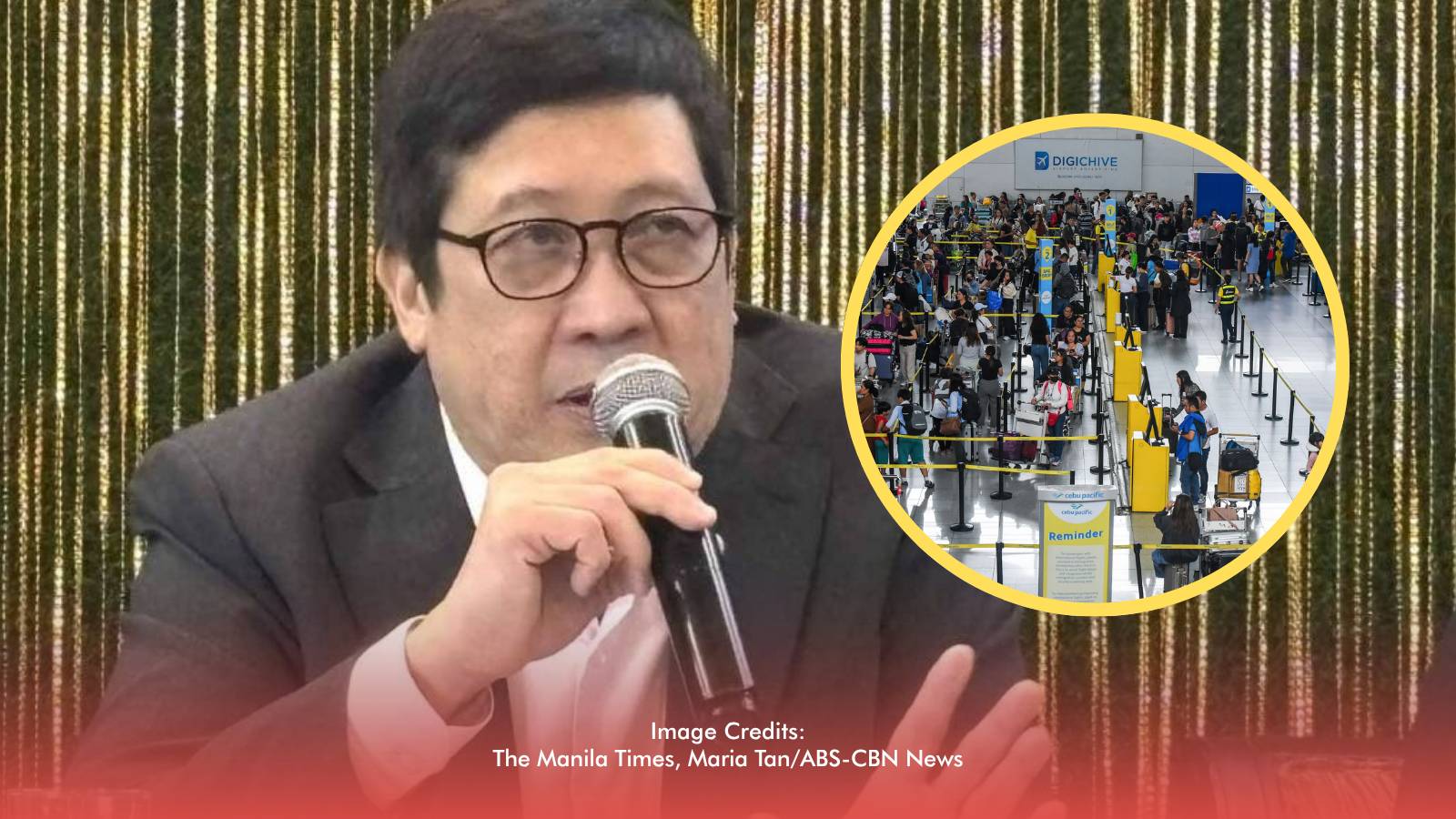
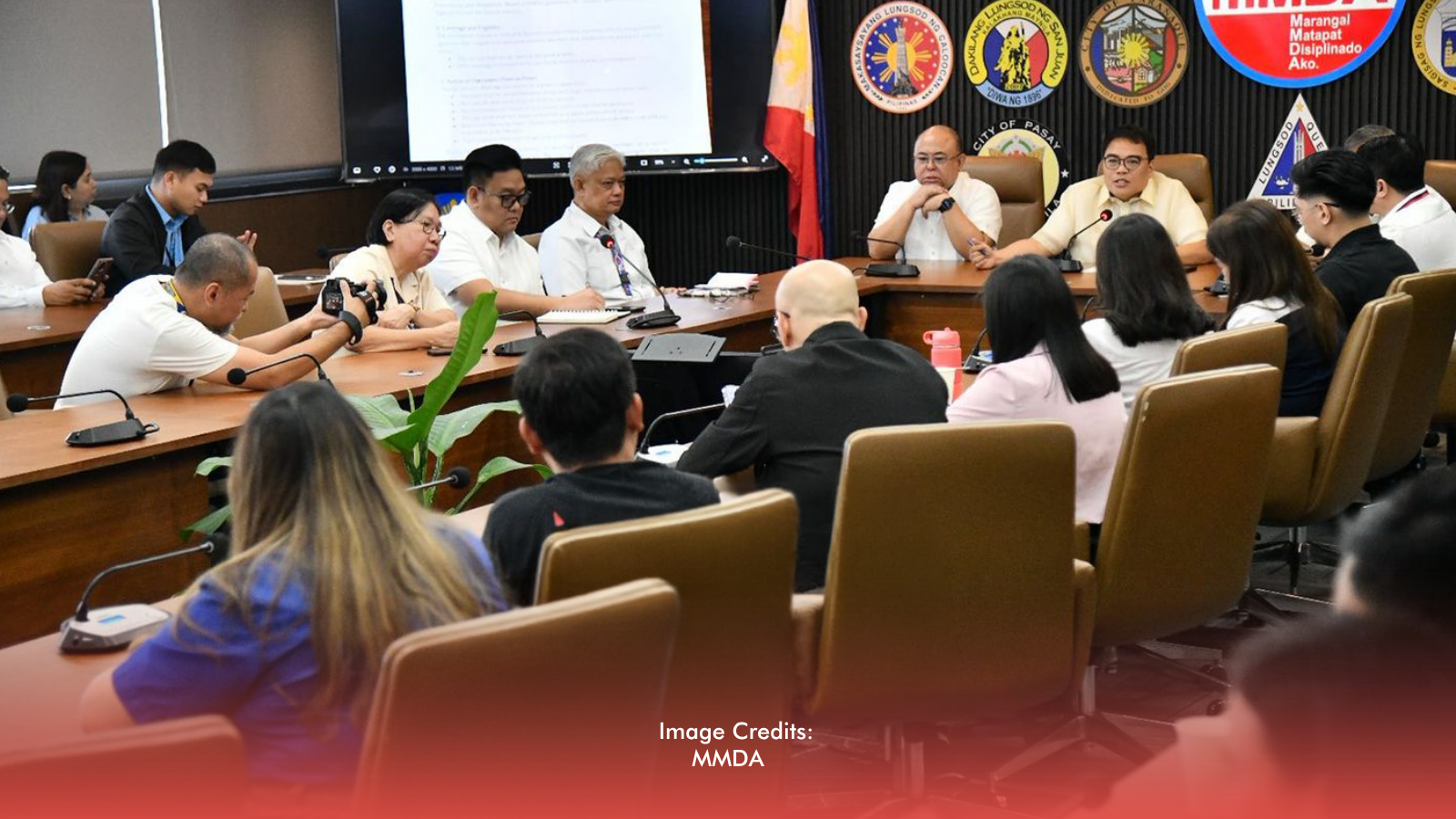
During a meeting held at the MMDA headquarters in Pasig City, MMDA Chair Romando ‘Don’ Artes explained that the program will be open to a wide range of participants, including private car owners and businesses. He emphasized that the system will be accessible while still being regulated to avoid misuse.
“I-open natin ito sa public. Kahit individual cars ay pwede pong mag-enroll dito sa ating carpooling. Ganun din po yung mga kumpanya—pwede pong magtayo ng sarili nilang shuttle service,” Artes said.
Strict Limits and Structured Routes
To maintain order and prevent overlap with traditional public transport, the proposed system will operate under a point-to-point model. Vehicles under the program will only be allowed to pick up and drop off passengers at designated locations, with no roadside transactions permitted.
“Hindi po dapat siya magpa-function na regular na bumibiyahe natin. Dahil ayaw din naman po natin makaagaw ng pasahero noong mga may prankisa—jeepneys, buses, at yung mga UV Express,” he said.
Authorities also plan to limit the number of trips carpool vehicles can make each day, restricting them to one trip in the morning and another in the afternoon or evening. Fare structures will be monitored and aligned with existing regulatory guidelines to prevent overcharging and ensure fair pricing for commuters.
“Para hindi mapagsamantalahan yung ating mga mananakay, mas convenient ito pero wag kayong singilin ng sobra-sobra naman,” he said.
Regulation, Permits, and Safety Measures
The Land Transportation Franchising and Regulatory Board (LTFRB) is expected to issue special permits for approved carpool vehicles to ensure they do not interfere with existing PUV routes. These permits will also help authorities monitor compliance and maintain order within the system.
In addition, carpooling vehicles will be assigned QR code permits to confirm that they meet safety and regulatory requirements. This measure is intended to prevent unnecessary apprehension by enforcers and to streamline enforcement on the ground.
“Para hindi po huhulihin itong mga ito. At para ma-ensure na hindi masabi na trap ito, we'll make sure na wala pong abala doon sa mag-a-avail,” he added.
The policy may also relax its current requirement that vehicles be no older than five years, depending on feedback from stakeholders. Discussions among the Department of Transportation, MMDA, LTFRB, and Land Transportation Office are ongoing to finalize the details before implementation.
Balancing Innovation and Existing Systems
The government has emphasized that the carpooling program is not meant to replace traditional transport but to complement it, especially under current energy constraints. By limiting operations and regulating participation, officials aim to strike a balance between providing commuters with more options and protecting established transport sectors.
Authorities also noted that the system will remain structured and controlled, with declared routes and clear guidelines to ensure accountability among participants. The initiative is seen as part of broader efforts to manage transport demand amid rising fuel costs and shifting mobility needs.
As the country continues to face challenges brought about by the energy emergency, the rollout of a regulated carpooling system could provide commuters with more flexibility while helping ease pressure on existing transport networks.
RELATED: [LGUs To Provide Free Rice To Households As Fuel Costs Rise, Says Marcos]