
According to national tourism officials, one of the main reasons domestic plane tickets in the Philippines remain expensive is the country’s heavy reliance on air travel. The issue was highlighted during the ASEAN Tourism Conference on January 29, where accessibility and seamless travel were discussed as part of the ASEAN Tourism Sectoral Plan—a five-year roadmap for 11 member-states.
Tourism Secretary Christina Garcia-Frasco explained that the Philippines’ archipelagic geography leaves little choice but to rely on flights. “It’s a 99.9 percent dependency considering the archipelago nature of our nation,” she said, addressing both local and international delegates.
Airline Operations Affect Ticket Prices
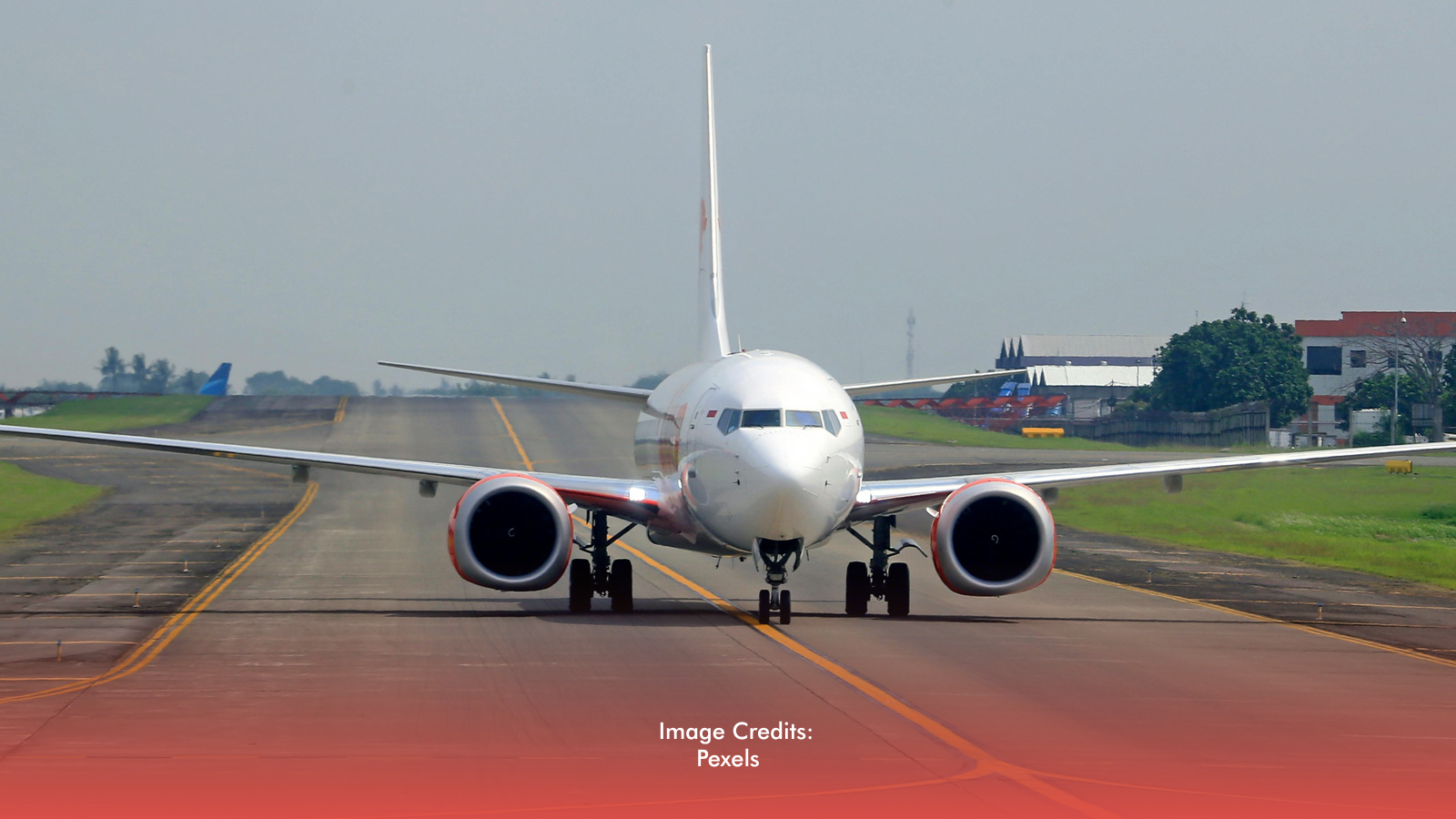
Another factor influencing airfare is the type of aircraft used. Smaller planes carrying only 60 to 70 passengers often operate at costs comparable to larger jets that accommodate up to 200 travelers. Palace spokesperson Claire Castro noted that this makes tickets on routes served by smaller aircraft more expensive.
“These smaller aircraft are sometimes the only practical way to reach popular destinations like Siargao, Palawan, and Boracay,” Castro said. This operational reality means higher fares are unavoidable for certain routes despite growing demand.
Government Steps Toward Transparency
To ease the burden on travelers, the national government has begun discussions with major airlines to explore ways of reducing ticket costs. Additionally, the Department of Tourism is advocating for a monthly airfare index to improve transparency.
Frasco emphasized the need for clear information and strict regulation. “It is only fair that we have a monthly publication of airfares, fully transparent, with the Civil Aeronautics Board enforcing clear guidelines and price ceilings,” she said. Such measures aim to give travelers a clearer picture of costs while encouraging competition among airlines.