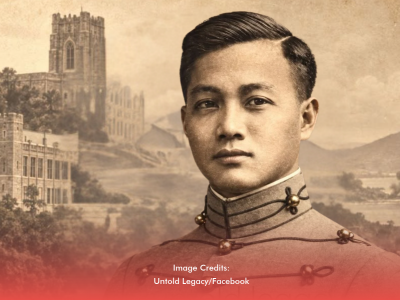
In 1953, Ramon Magsaysay won the presidency of the Philippines in an election shaped as much by Washington as by Filipino voters. Behind his charismatic public image stood a quieter campaign, one guided by American advisers and the CIA, determined to secure a reliable ally in Southeast Asia during the early Cold War.
Rise of a CIA-Backed Candidate
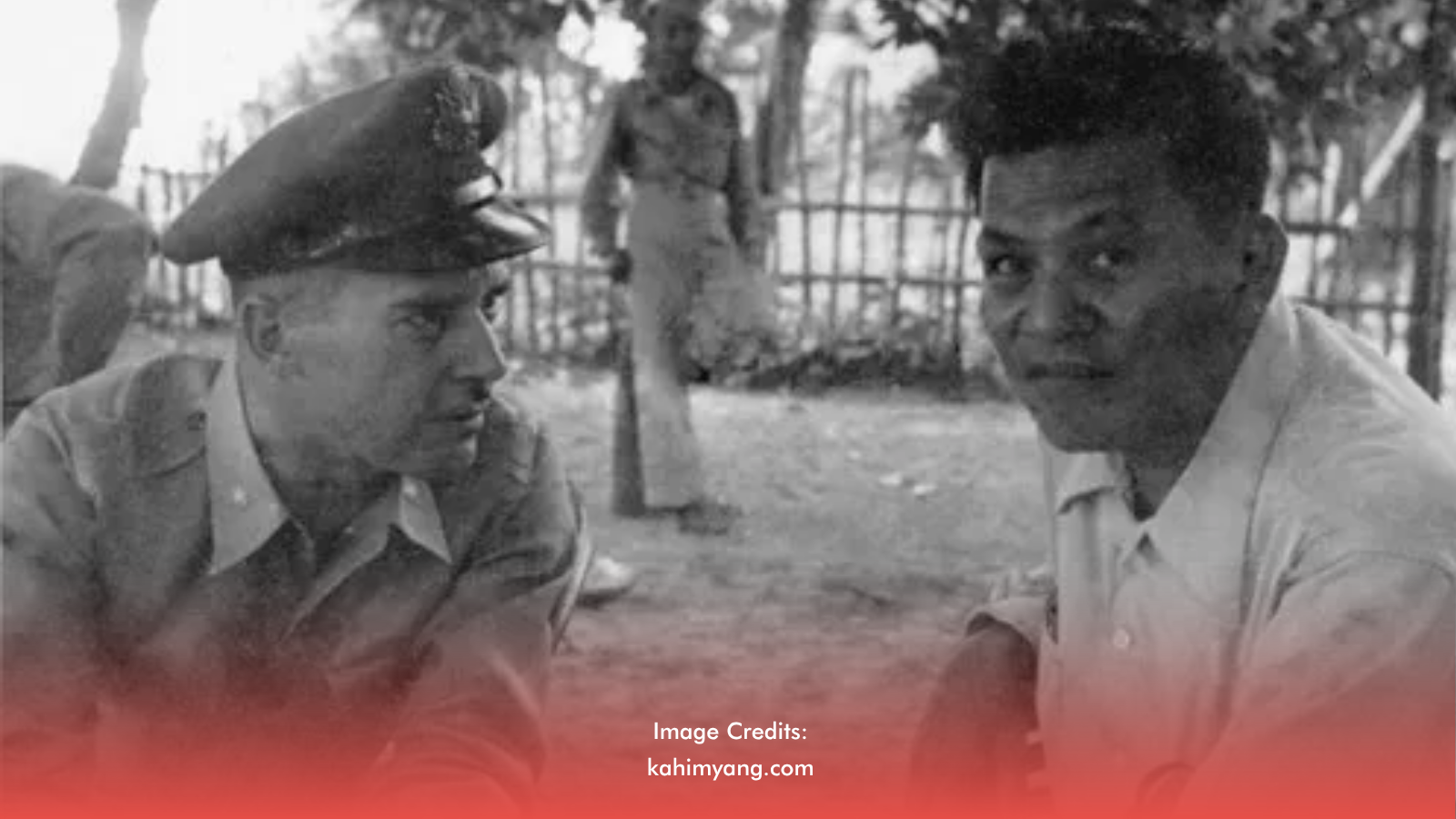
Magsaysay built his reputation as a reformer who understood ordinary Filipinos and could defeat the communist-led Hukbalahap insurgency. Yet his ascent owed much to Edward Lansdale, a CIA operative who worked closely with him for years, shaping both his anti-insurgency tactics and his political messaging.
American funding, polling expertise, and media strategy flowed into the campaign, giving Magsaysay a level of organisation few Filipino politicians of the era could match.
Stakes Behind the Intervention
Washington's involvement went beyond friendly advice. With communism spreading across Asia, US officials viewed the Philippines as a critical testing ground, and a Magsaysay victory offered a model for countering insurgency through reform rather than repression. The strategy worked. The Huk rebellion lost momentum, and the Philippines remained firmly within the American sphere of influence throughout the Cold War.
What It Reveals Today
This episode raises uncomfortable questions about sovereignty and influence that still resonate. Elections framed as purely domestic victories sometimes carry the fingerprints of foreign powers pursuing their own strategic interests.
Magsaysay's presidency brought genuine reforms, but it also showed how deeply a foreign intelligence agency could embed itself in another country's democratic process, a pattern worth remembering whenever similar alliances resurface in global politics.