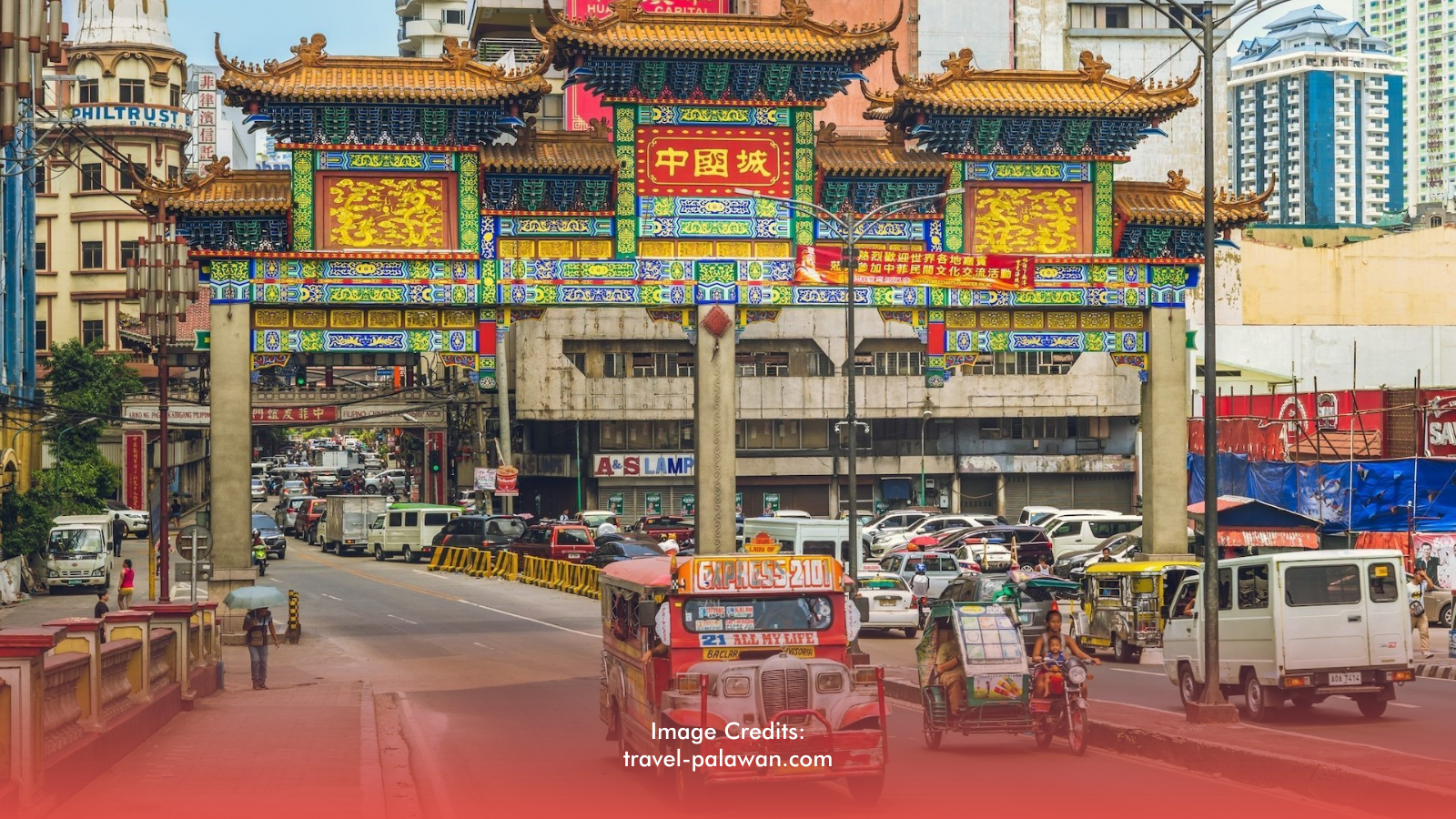
When you walk through the streets of Binondo, you’ll recognize these instantly: red lanterns, the scent of incense, and even freshly cooked noodles. While mundane, these are everyday reminders that Chinese culture has always been a fixture in the Philippines.
From the Trades
Long before the Spaniards arrived on our shores, Chinese traders were already sailing to the Philippines between the 10th and 16th centuries. Historical accounts even noted a tribute mission from Butuan to China in 1001. This proved that our ancestors were already connected to a larger Asian trade network.
Chinese merchants brought porcelain and silk, exchanging them for local goods, from beeswax, deer horn, and “trepang” (sea slug). Beyond just economic transactions, these were the start of a cultural relationship that would shape centuries of shared traditions.
Culinary Practices
Food is often the easiest bridge between two cultures. Pancit? Chinese in origin. Sautéing? Introduced by early Chinese settlers. Even tikoy and noodle dishes that appear at birthdays and fiestas trace their roots to centuries-old exchanges.
Over time, flavors merged, techniques evolved, and what was once foreign became distinctly Filipino. Today, we’ve become accustomed to eating noodles for long life or munching on a tikoy for sweetness and success.
Family Always Comes First
Beyond the kitchen, Chinese influence can be felt at home.
Respect for elders, strong family hierarchy, and responsibilities carried by the eldest sibling reflect values long present in Chinese tradition. The terms “kuya” or “ate” aren’t just titles; they signal leadership, protection, and quiet authority within the household. Even Lunar New Year celebrations echo how Filipinos celebrate Christmas, from the big dinner to the giving of “angpao” for prosperity and good fortune.
A Shared Identity
Perhaps the most powerful legacy that Chinese culture has passed onto us is our identity. Many Filipinos today carry both Chinese and Filipino heritage, commonly referred to as “Chinoy/Tsinoy.” Others embrace the Hokkien term “lannang,” which means “our people.”
Whatever the label, the reality stays the same: we aren’t simply neighbors in history anymore but a family with deep cultural ties.