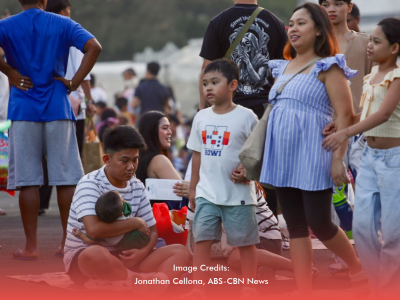
Across the Philippines this season, health authorities have observed a rise in influenza-like illnesses (ILI), or the kind of cough, fever, body aches, and fatigue most of us recognize as “flu.”
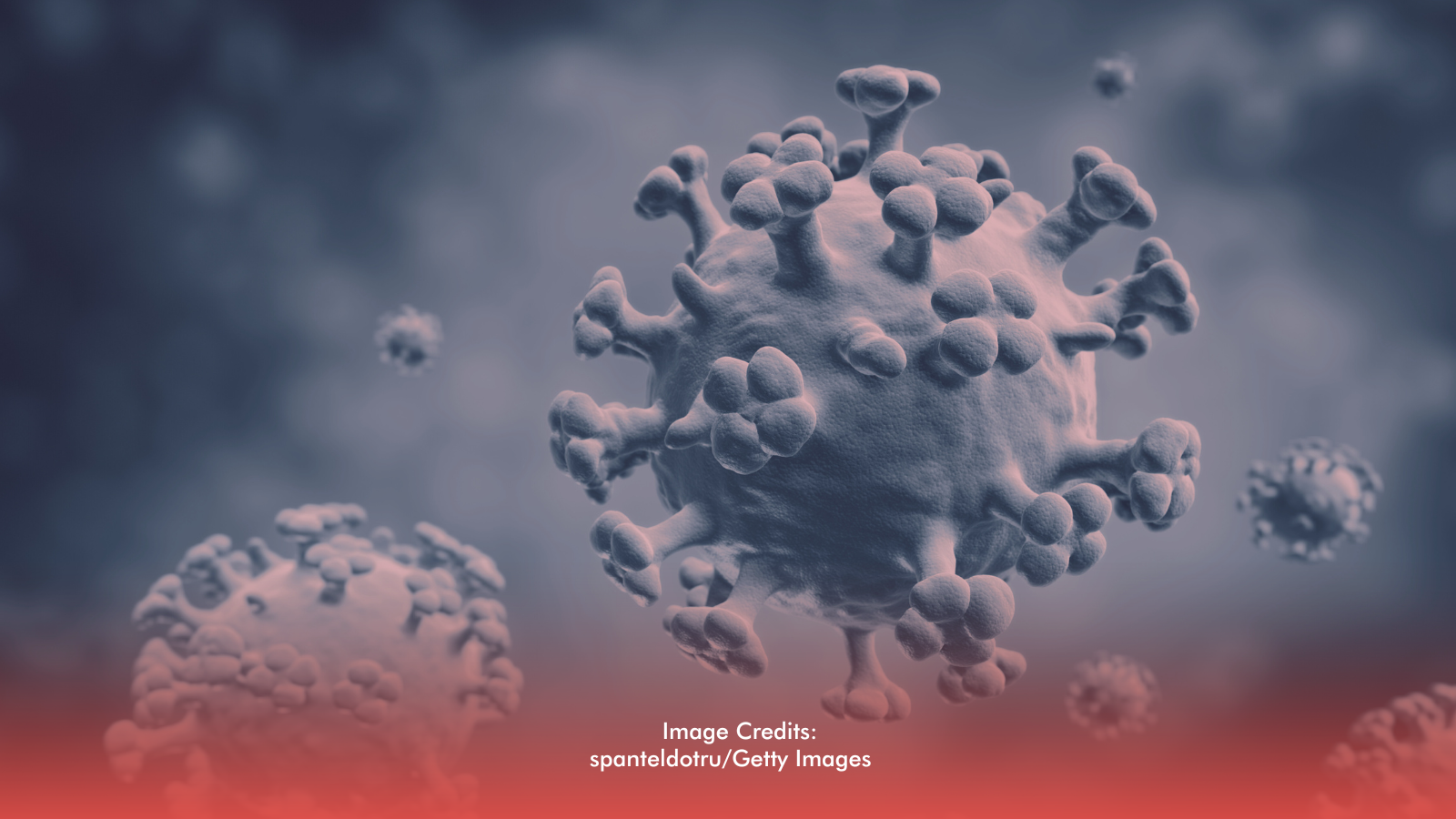
The Department of Health (DOH) has acknowledged increases in cases that include a strain some media have called “super flu,” a variant of the influenza A virus.
Superflu
Over recent months, hospitals and clinics have reported more patients with flu-like symptoms, particularly as cooler weather and closer indoor contact increase opportunities for respiratory viruses to spread. While the term sounds alarming, majority of patients recover without complications, and health officials emphasize that these upticks are consistent with seasonal patterns
The term “super flu” has gained attention both in the Philippines and abroad, but it doesn’t signal a fundamentally new or radically dangerous pathogen. Even as some areas report higher hospital occupancy linked to influenza cases, authorities affirm these trends reflect the annual flu season, not an unusual outbreak.
The Danger of Complacency
But still, the increase is noticeable.
Clinics and hospitals have reported more patients coming in with flu-like symptoms, especially as weather shifts and people spend more time in enclosed spaces. It’s a familiar cycle, but one that many of us may have grown less attentive to after pandemic restrictions eased.
A Stark Reminder
This isn’t a call to fear, however. Rather, it’s a stark reminder toward continued awareness and common-sense health practices that humanity has learned after the COVID-19 pandemic. These include:
- Vaccination: Flu shots remain effective at reducing severe illness and hospitalization, especially for high-risk groups like the elderly and those with weakened immune systems.
- Personal hygiene: Regular handwashing, mask-wearing when symptomatic, and staying home when ill help limit transmission.
- Community responsibility: Respiratory viruses spread easily in crowded places like public transport, workplaces, markets, and schools. Thoughtful behavior protects others as well as ourselves.
As flu cases rise again, those small actions matter just as much today. Respiratory viruses spread easily in public transport, offices, schools, and crowded markets. One person ignoring symptoms can unintentionally affect dozens more.
Flu seasons come and go, but preparedness keeps health systems from being overwhelmed and protects the most vulnerable: the elderly, children, and those with weaker immune systems.
The “superflu” conversation doesn’t need fear. It needs memory. We already learned how to care for each other during uncertain times. The question now is whether we choose to keep practicing those lessons, even when life feels normal again.