
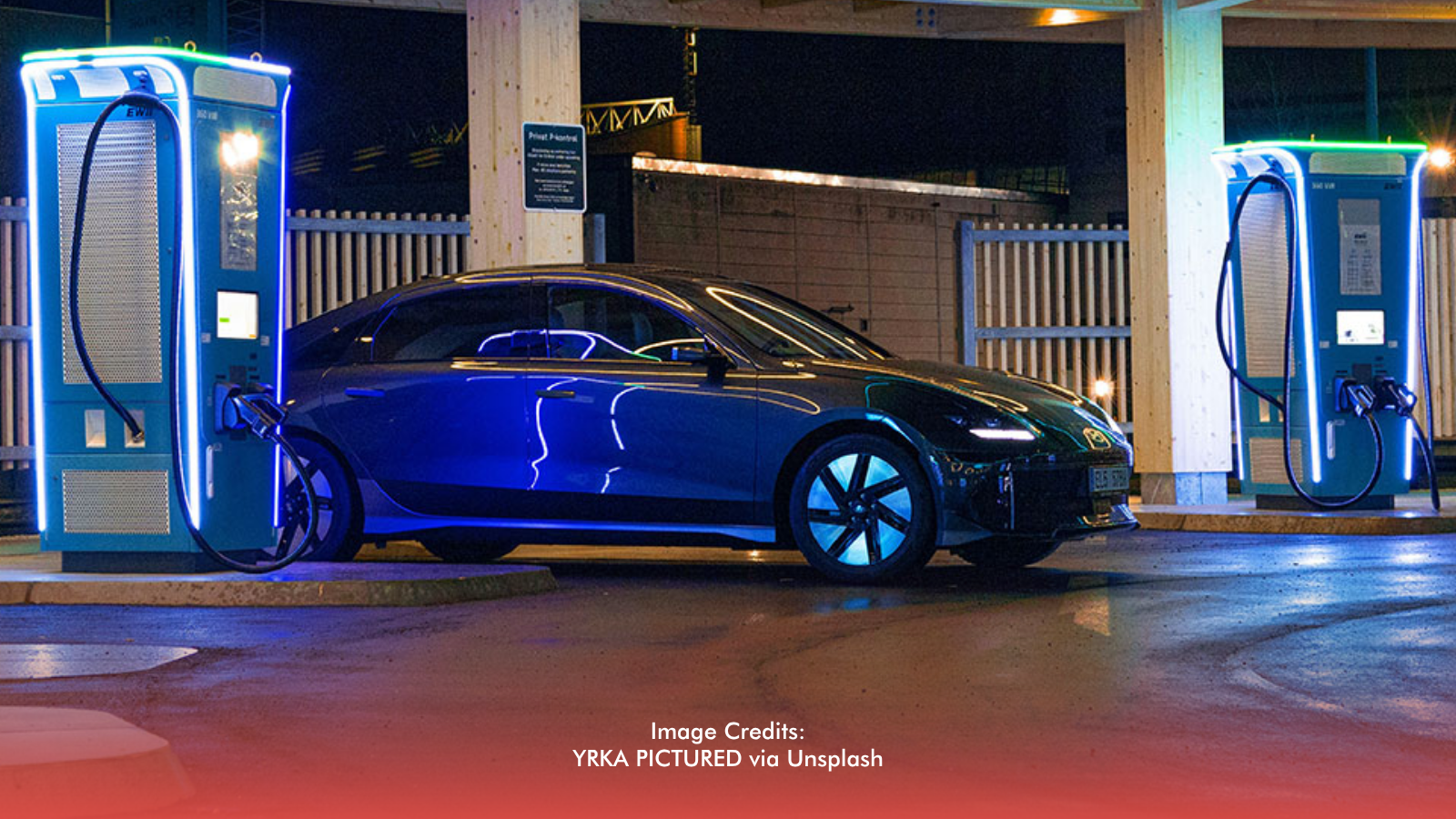
More Filipino consumers are beginning to consider hybrid and electric vehicles (EVs) as fuel prices continue to rise and energy-related concerns deepen, according to a new study by Deloitte.
Based on Deloitte’s 2026 Global Automotive Consumer Study, interest in electrified vehicles in the Philippines increased to 34 percent this year, up from 27 percent in 2025. The report reflects growing consumer interest in alternatives to traditional gasoline-powered vehicles as transportation costs continue to climb.
Among the top reasons cited by respondents were lower fuel expenses, environmental concerns, and better driving experience. Deloitte said many consumers are now looking at hybrid and electric vehicles as a more practical long-term option amid rising oil prices and economic uncertainty.
Charging Infrastructure Still a Major Concern
Despite increasing interest in EVs and hybrids, many Filipinos remain concerned about the lack of charging stations and the overall cost of ownership.
The Deloitte study found that nearly half of respondents identified limited charging infrastructure as their biggest concern, while others pointed to battery replacement costs and charging speed as possible drawbacks.
Hybrid vehicles currently dominate the local electrified vehicle market because they do not rely entirely on charging stations and are viewed as a more practical transition option for many drivers. Recent industry data showed that hybrid EVs accounted for the majority of electrified vehicle sales in the Philippines.
The report also highlighted changing consumer behavior in the automotive industry, with many buyers becoming more open to exploring newer vehicle brands and technologies instead of sticking to traditional choices. Deloitte noted that a growing number of first-time car buyers may further accelerate this shift in the coming years.