
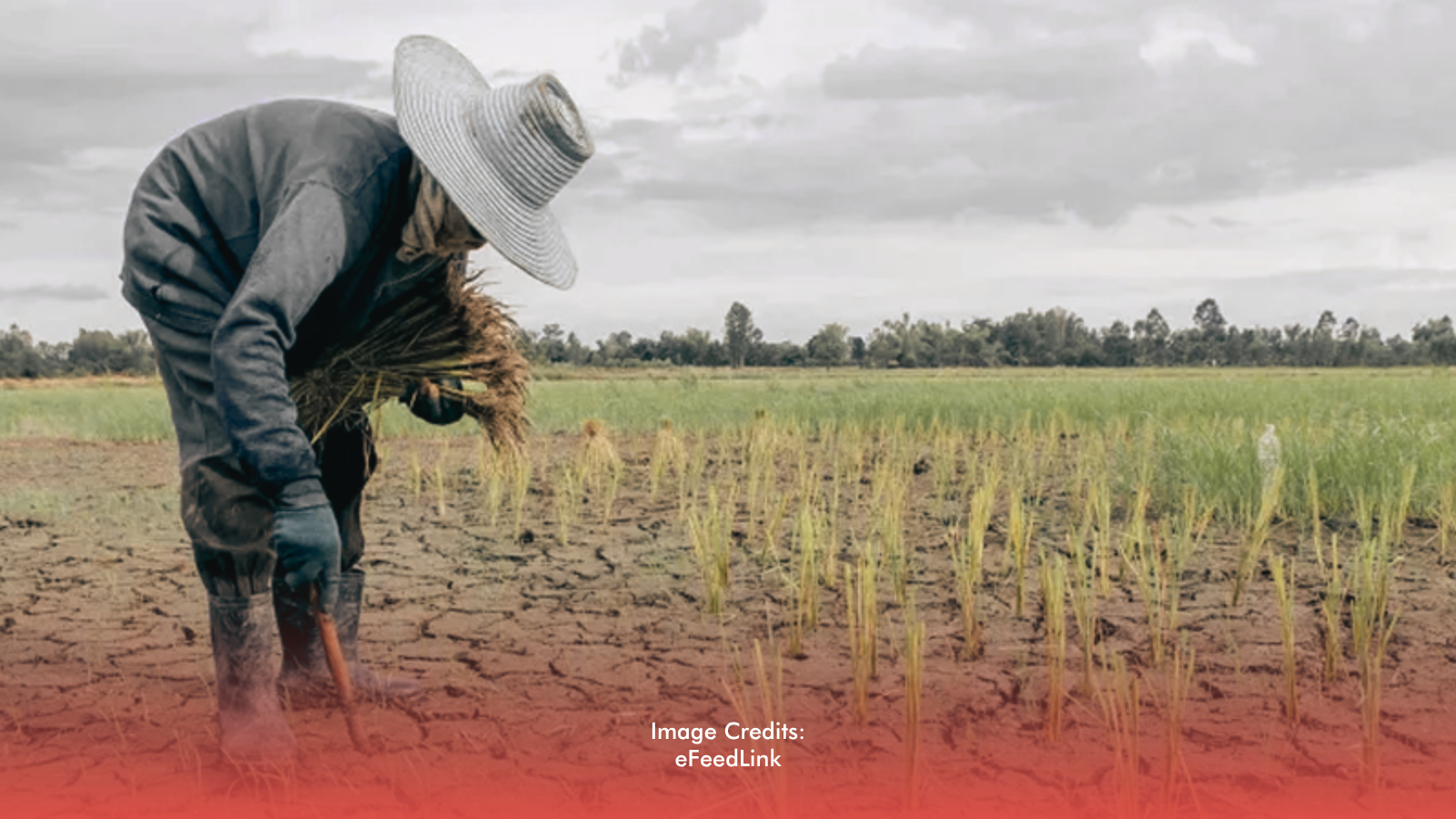
The possible return of El Niño this year could bring another challenge for Filipino households as experts warn it may further increase food and energy prices across the country.
Economists and analysts are pointing to the dry weather phenomenon as one of the major risks that could worsen inflation, especially as the Philippines continues to deal with rising fuel costs and global supply pressures. PAGASA earlier raised its El Niño alert status after forecasting a strong likelihood of the phenomenon developing by mid-2026.
El Niño is known for causing prolonged dry spells and reduced rainfall, which can heavily affect agriculture, water supply, and power generation. These disruptions often lead to higher prices for rice, vegetables, electricity, and other essential goods.
Concerns Over Food and Energy Inflation
Several economic groups and financial institutions have already warned that a stronger El Niño could place additional pressure on inflation in the coming months. Analysts noted that lower agricultural output, combined with higher fuel and fertilizer costs, may contribute to rising food prices nationwide.
The Philippines remains highly vulnerable to weather-related disruptions because of its dependence on agriculture and imported energy products. Experts also warned that electricity costs could rise further if hydropower production declines during extended dry conditions.
Recent inflation data already showed faster increases in the prices of food, transport, electricity, and utilities, reflecting the growing impact of global and domestic pressures on consumers.
While government agencies continue to monitor the situation, authorities are also encouraging water conservation and climate preparedness measures as the country braces for the possible effects of El Niño in the months ahead.