The Bangsamoro Autonomous Region in Muslim Mindanao (BARMM) is preparing for a landmark vote on Sept. 14, 2026, when nearly 2.4 million registered voters will participate in the region’s first regular parliamentary elections. The polls represent a major milestone in the Bangsamoro peace process and its long-standing pursuit of greater self-governance.
President Ferdinand Marcos Jr. has assured that the elections will proceed as scheduled, with the government aiming to establish a duly elected Bangsamoro Parliament. Republic Act No. 12317, signed on March 25, 2026, amended the Bangsamoro Organic Law (BOL) and set the first regular parliamentary elections for the second Monday of September 2026.
RELATED: [BARMM Leaders Urged to Focus on Jobs, Education, and Poverty Reduction]
Security Preparations Underway Across BARMM
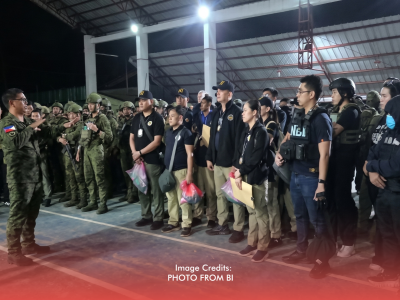
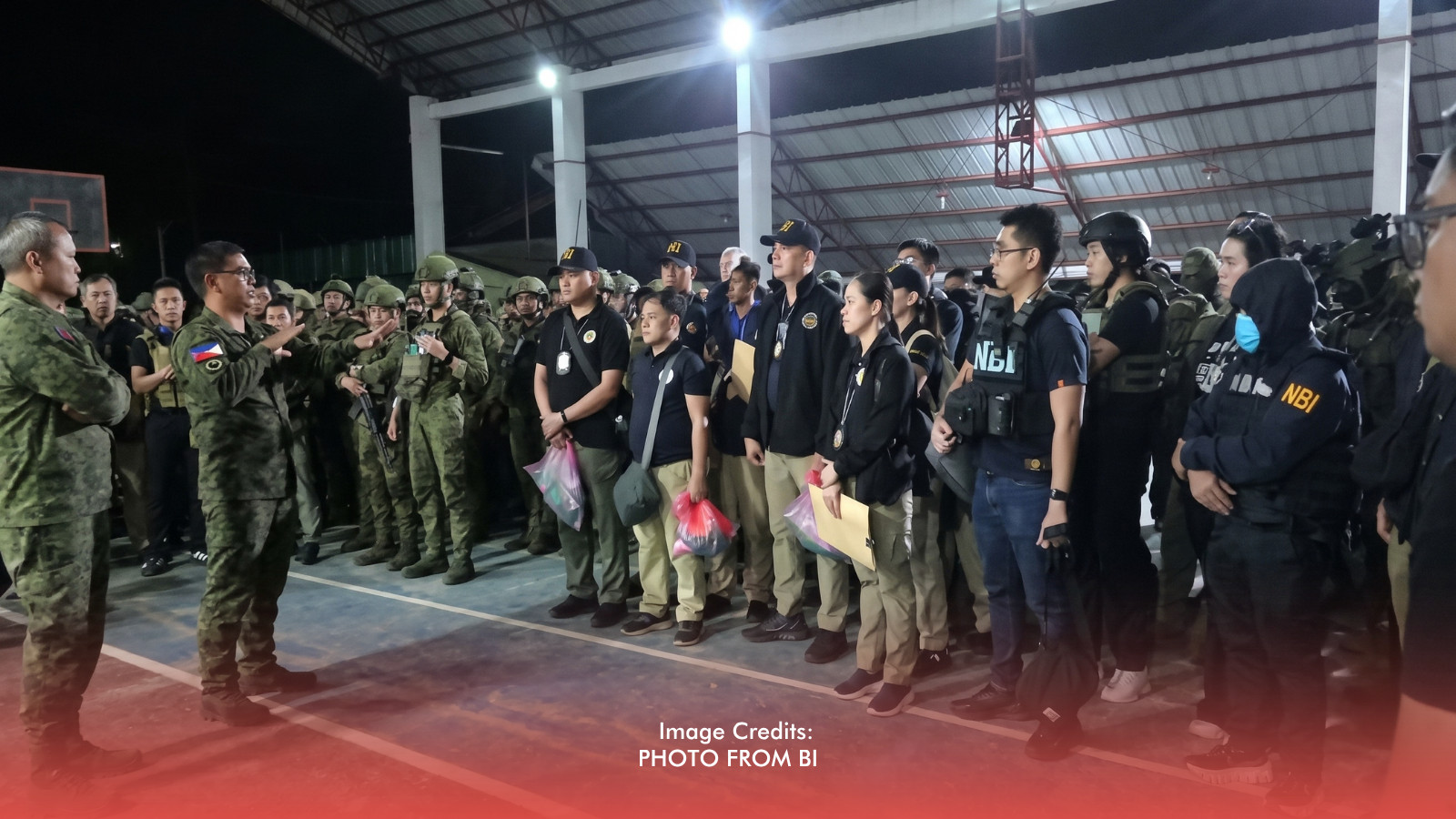
With the historic vote approaching, election officials and security agencies have stepped up preparations across the region. The Philippine National Police (PNP) has committed to strengthening security in 108 areas identified by the Commission on Elections (COMELEC) as “areas of concern.”
COMELEC-BARMM Regional Election Director Atty. Ray Sumalipao said coordination among election, military, police, and other peace and order agencies has intensified ahead of Election Day.
“We’re very prepared now for the elections,” Sumalipao said in an exclusive interview on Aug. 27.
He cited the Final Command Conference involving the Armed Forces of the Philippines, PNP, and Department of the Interior and Local Government, led by their respective officials.
“In fact, [yesterday], we had the Final Command Conference with the Armed Forces of the Philippines, spearheaded by our Chief of Staff, General Antonio Nafarrete, Police General Nartatez of the Philippine National Police, Secretary Jonvic Remulla of the Department of the Interior and Local Government,” he added.
The Philippine Coast Guard is likewise prepared to deploy security personnel, with Vice Admiral Hostillo Cornelio, the agency’s second highest-ranking official, representing the organization during the command conference.
Chief Minister Abdulraof Macacua described the conference as an important part of the preparations, bringing election, security, and peace and order institutions together to help ensure a peaceful and orderly electoral process.
“The vote is sacred. It is an amanah, a trust entrusted to every voter,” Macacua said, calling on Bangsamoro voters to exercise their rights with “conscience and responsibility.”
PNP Chief Gen. Jose Melencio Nartatez Jr. also stressed that security planning will continue to adapt to conditions on the ground.
“Ensuring the peaceful elections in BARMM is a continuing process. Security measures are in place, but regular monitoring and real-time adjustments are being done based on the situation on the ground,” he said.
PNP data shows that 9,463 police officers have so far been deployed across the region, including nearly 5,000 personnel from the Police Regional Office-Bangsamoro Autonomous Region (PRO-BAR). Additional personnel came from National Support Units (NSUs) and other police regional offices, while a special electoral board was created to respond to possible untoward incidents.
Voter Education Becomes Key to the New Election System
Security is only one part of preparing BARMM for an election unlike those its voters have previously experienced. The parliamentary system introduces a different way of choosing representatives, making voter education a central concern for election officials.
Sumalipao identified information dissemination as one of COMELEC’s biggest challenges.
“Our biggest challenge in the Bangsamoro parliamentary elections is information dissemination,” he said.
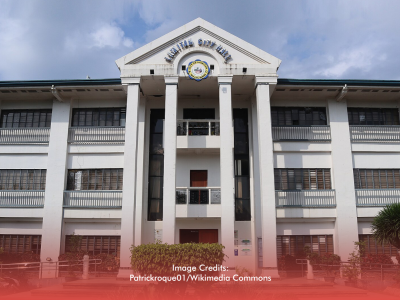
COMELEC has already conducted its third round of voter education activities throughout the region’s 105 municipalities and three cities: Cotabato, Lamitan, and Marawi. One activity alone drew around 850 participants.
Government efforts to close the information gap have also been underway for years. The Bangsamoro Information Office (BIO) launched the Halalang Bangsamoro campaign in 2023 to increase public awareness of the Bangsamoro Electoral Code (BEC), the legal framework governing elections in the region.
BIO followed this with its first Speakers’ Bureau training of trainers in 2024, in partnership with the Bangsamoro Transition Authority (BTA) Office of the Parliament Speaker. The program brought together Members of Parliament, information officers, and legal officers of the Bangsamoro Government.
From Aug. 3 to 5, the Office of the Parliament Speaker–Legislative Affairs Unit, together with the Legal Network for Truthful Elections (LENTE) and COMELEC, held another training of trainers for the Bangsamoro Parliament Speakers’ Bureau in Davao City. The activity focused on improving the bureau’s ability to provide accurate, consistent, and accessible election information to communities.
For voters, preparation also means knowing where they will cast their ballots. Sumalipao urged voters to check their precinct information before Election Day.
“We need to know our precinct number. We need that because when the election comes, this September 14, we will not have a hard time to locate our names, to locate our precincts and of course, our voting centers,” he said.
COMELEC said 2.393 million voters are registered for the BARMM elections. They will vote through 5,212 clustered precincts located in 1,186 voting centers across the Bangsamoro region.
A Different Ballot With Eight Choices
The parliamentary election will also require voters to make decisions that differ significantly from national and local elections. There will be no presidential, gubernatorial, mayoral, or councilor races on the ballot.
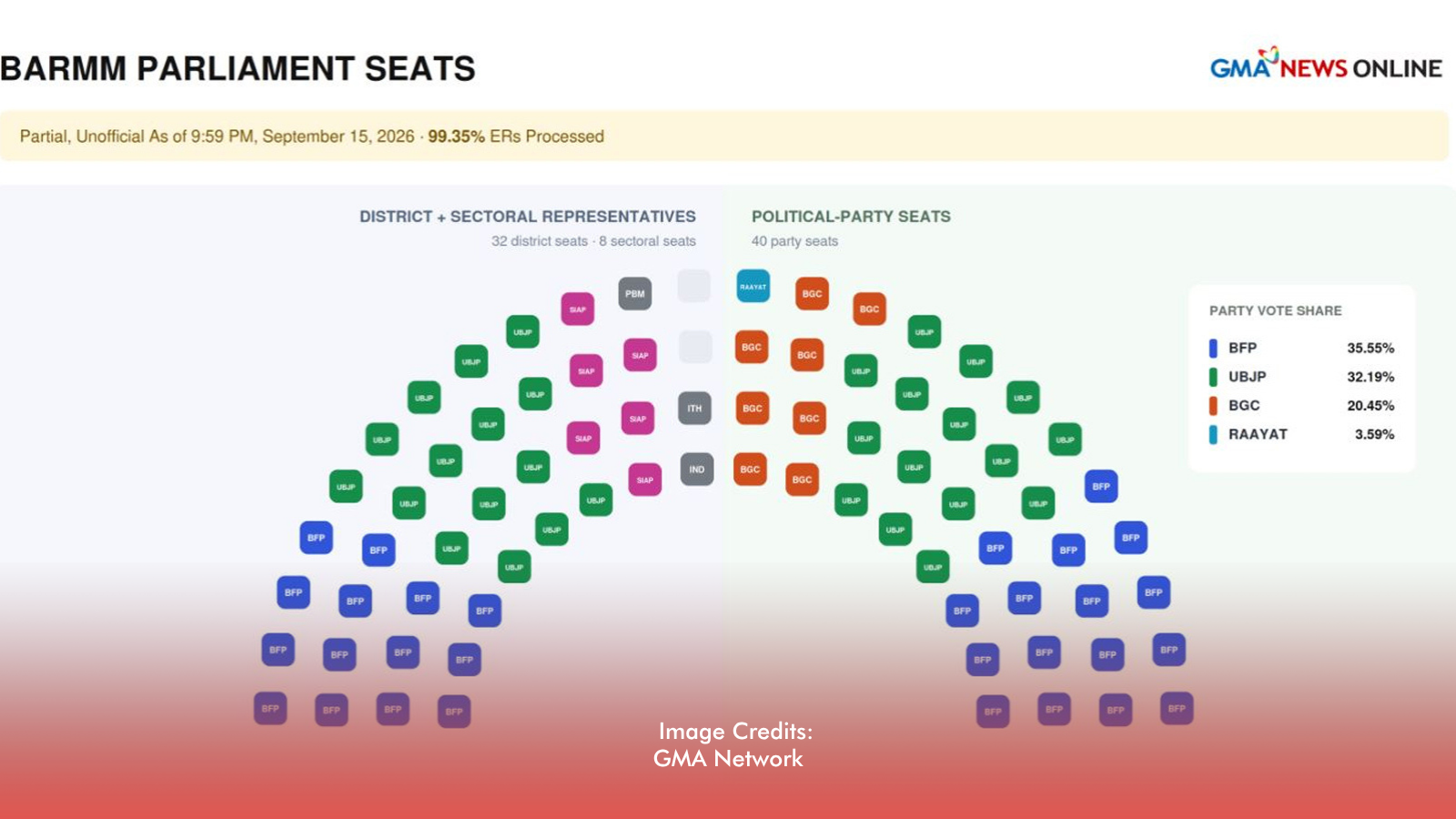
Instead, voters will elect members of an 80-seat Bangsamoro Parliament made up of 40 regional representatives, 32 district representatives, and eight sectoral representatives.
Each voter will make eight choices. One will be for a Regional Parliamentary Political Party (RPPP), where voters select a party rather than an individual candidate. The 40 regional party-representative seats will be distributed according to each party’s share of the vote, with its nominees filling the seats it wins.
Voters will also select one Parliamentary District Representative to represent their district. Since there are 32 district seats, the candidates available to each voter will depend on their registered district.
The remaining six choices will be for sectoral representatives. These include two representatives for Settler Communities and one each for Women, Youth, Traditional Leaders, and Ulama.
Understanding these distinctions will be crucial as voters participate in a system that is new to many of them.
COMELEC Prepares for Brownouts and Result Transmission
Election readiness also includes contingencies for disruptions that could affect voting and the transmission of results. COMELEC has prepared backup power sources to keep election equipment operational in case of brownouts.
“Our machine will run for two days or even three days, 72 hours. So, we are ready for the brownouts,” Sumalipao said.
The election body is coordinating with the National Grid Corporation of the Philippines (NGCP) and various electric cooperatives to anticipate potential power-related issues.
“We already invited our NGCP, our different electric cooperatives, to appear in our meeting to make their commitments and to consider the different issues, the concerned matters so that we can address them,” he said.
Generators, including solar-powered and fuel-powered units, will serve as alternative electricity sources where needed. Even if a polling location loses power, voting can continue until the scheduled closing time of 7 p.m.
“In fact, the making of documents and transmitting can be done until 7 o’clock, even the whole night of Election Day,” Sumalipao mentioned in an exclusive interview.
During his visit to Cotabato City on Aug. 26, COMELEC Chairperson George Erwin Garia also said the winners of the first Bangsamoro parliamentary polls will be proclaimed by Sept. 15.
“We will make sure that all voting precincts will be able to transmit, and we will also ensure that all the winners will be known on the night of the elections on Sept. 14,” Garcia said.
The first parliamentary elections will ultimately put the region's years of peace efforts and self-governance aspirations into an electoral process involving millions of voters. Beyond whether the systems are ready, the credibility of the vote will depend on whether voters are informed, secure, and able to exercise their choices freely. What happens on Sept. 14 will help shape not only BARMM’s first elected Parliament, but also the next stage of governance and political stability in the Bangsamoro.
RELATED: [BARMM Approves P50 Daily Wage Increase for Workers]