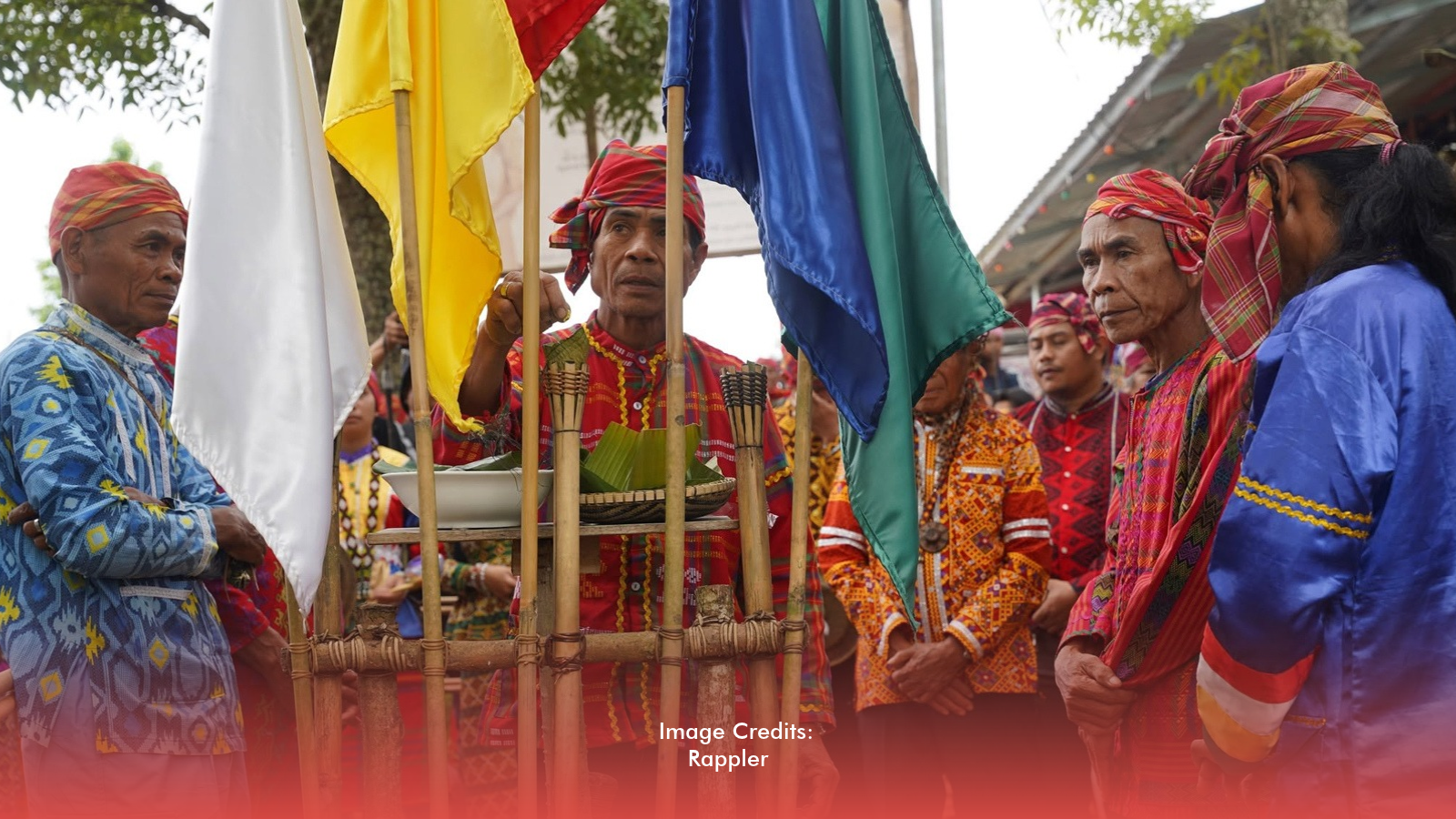
For the first time in the 25-year history of the Sambuokan Festival, Mati City brought together its Indigenous Peoples (IPs) and Moro communities in a joint celebration of Indigenous Peoples’ Day on October 27, as part of the city’s 123rd founding anniversary.
The gathering marked a significant step toward promoting unity among the city’s diverse cultural communities, with six ethnolinguistic groups participating in the annual festival.
Six Tribes Come Together as One
Mati is home to two Indigenous groups, the Mandaya and Kalagan, also known as Kagan, and four Moro ethnolinguistic groups: Maguindanaon, Maranao, Sama, and Tausug.
Antonieto Arles, a Kalagan and the Indigenous Peoples Mandatory Representative to the city council, said the groups previously held separate celebrations during the festival, despite its name symbolizing unity.
The term “Sambuokan” comes from the Mandaya root word “buok,” meaning one.
“Therefore there was no sambuokan at all,” Arles said, describing previous celebrations.
He credited Mayor Joel Mayo Z. Almario for bringing the six groups together to promote a stronger sense of unity in the city.
Datu Jamil Rajab Jaljis, a member of the Tausug community, also underscored the importance of solidarity among the different groups.
“Sambuokan was organized to bring people together. Peace. The six tribes must unite. Let us come together as one,” he said.
The City Tribal Affairs Office said the celebration aimed to recognize the identities, traditions, and contributions of Indigenous and Moro communities while promoting mutual respect and appreciation of cultural heritage, particularly among younger generations.
Cultural Performances Showcase Heritage
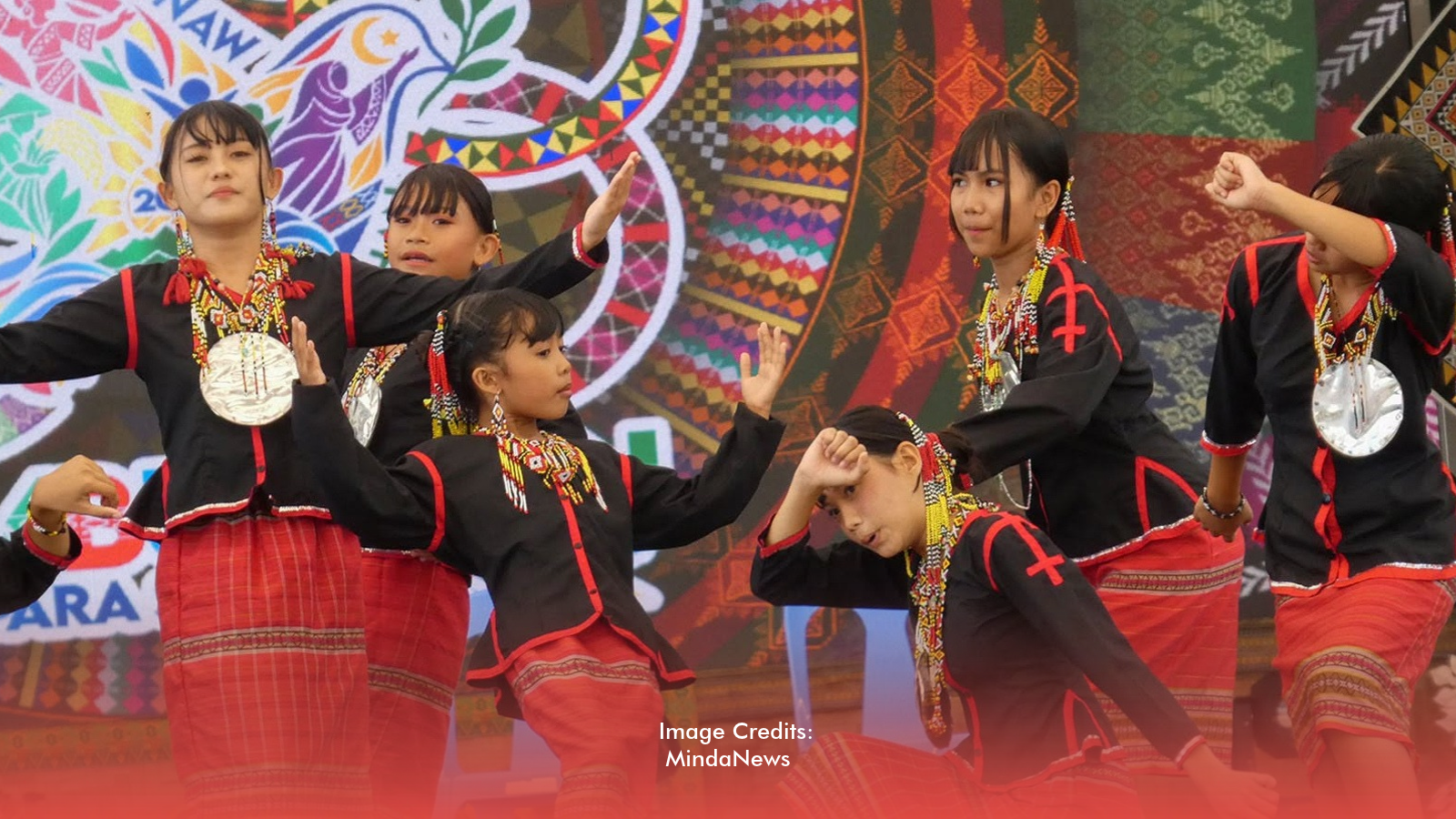
Held at MFGR Park and Baywalk, the celebration featured traditional dances, food exhibits, and indigenous games that highlighted the distinct cultural practices of each community.
Each group presented a traditional dance representing its heritage: Sayaw for the Mandaya, Sinayawan for the Kalagan, Pansak-pansak for the Sama, Pakiring for the Maguindanaon, Pagapir for the Maranao, and Pangalay for the Tausug.
For Alma Isik Dadung of the Kalagan tribe, keeping these traditions alive is essential to preserving their identity and connection to their ancestors.
“We do not want our culture to disappear because it is our identity. Without it, we would lose our connection to our origins,” Dadung said.
She stressed that the values and practices passed down through generations must continue to be preserved and respected. She also explained that Sinayawan is traditionally performed as part of healing practices for the sick.
Visitors also had the chance to explore food booths showcasing the culinary specialties of the six communities.
Traditional games added to the festivities, including karang, a stilt-walking game using coconut shells; kadang, which uses bamboo poles as stilts; and pukpok, a competition where participants hammer nails into pieces of wood.
Festival Seeks to Welcome More Communities
Beyond bringing the six groups together, the city is looking to make the Sambuokan Festival more inclusive by opening opportunities for other cultural communities to participate.
The City Tribal Affairs Office said Mayor Almario has proposed welcoming Cebuanos, Ilokanos, and other groups in Mati to share their own cultural heritage and traditions in future celebrations.
The initiative seeks to further strengthen the festival's role as a gathering that celebrates the city's diversity while encouraging understanding and respect among its residents.
Through the historic participation of its Indigenous and Moro communities, Mati's Sambuokan Festival took a step closer to living up to its name: bringing different peoples together as one.