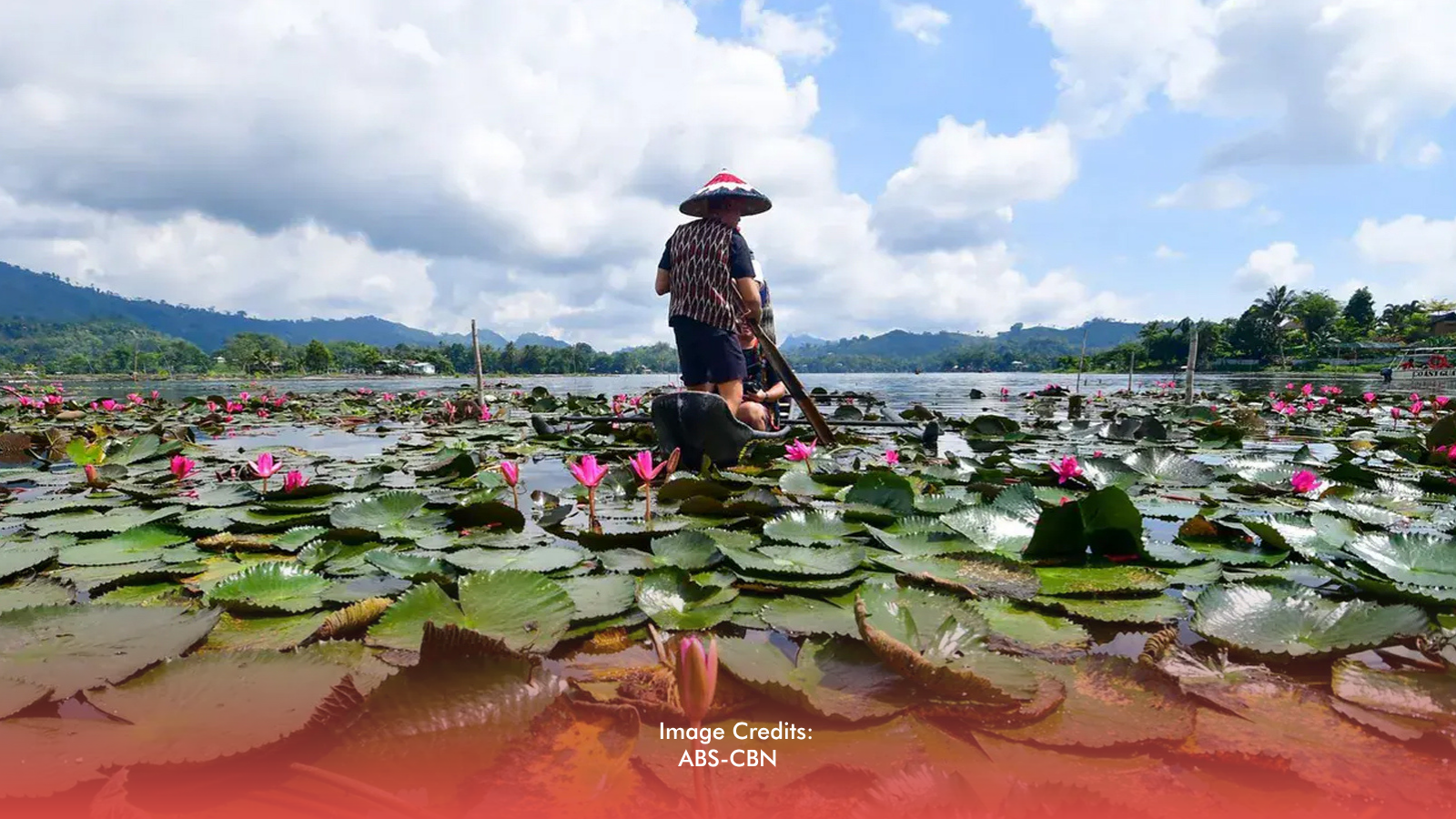
Lake Sebu, a farming community in South Cotabato home to the T’boli and Ubo-Manobo Indigenous Peoples, has been recognized as the Philippines’ first United Nations Food and Agriculture Organization (FAO) Village, highlighting its commitment to climate resilience, sustainable food systems, and environmental conservation.
The recognition, announced by the Climate Change Commission (CCC), places Lake Sebu among more than 300 communities in the FAO Villages global network, showcasing how Indigenous knowledge and community-led practices can help address climate change.
A Model for Climate-Resilient Communities
The FAO Village marker was unveiled on July 16 at the Gono Menos Bnek, or Lake Sebu Rice Museum, attended by local officials, development partners, and Indigenous leaders.
CCC Vice Chairperson and Executive Director Robert E.A. Borje said the recognition reflects Lake Sebu's commitment to balancing environmental protection, cultural preservation, food security, and economic development. He added that the distinction aligns with the Philippine National Adaptation Plan (NAP) 2023–2050, which integrates Indigenous culture and heritage into the country's long-term climate resilience strategy.
Indigenous Knowledge Drives Sustainability
The FAO recognized Lake Sebu for conserving biodiversity, preserving traditional food systems, promoting rural development, and linking food culture with education, tourism, and innovation.
For generations, the T’boli and Ubo-Manobo communities have protected forests, freshwater ecosystems, and heirloom rice varieties while preserving Indigenous knowledge that supports agriculture and biodiversity.
FAO Representative in the Philippines Lionel Dabbadie said the municipality's greatest strength lies in the deep relationship between its people and the land and lakes they have cared for over generations. He noted that the community has long understood the importance of working with nature rather than exploiting it.
Preserving a Legacy for Future Generations
The recognition is the result of years of collaboration among Indigenous communities, local governments, national agencies, academic institutions, and development partners.
Former FAO headquarters senior coordinator Mario Samaja said Lake Sebu exemplifies the FAO Villages initiative through its stewardship of lakes, forests, wetlands, and farmlands using traditional knowledge.
Farmer-cooperator Nonito Malingay said the conservation of 102 traditional rice varieties in the PhilRice Genebank is one of the community's greatest achievements, ensuring that these heirloom crops—and the culture and history they represent—will be preserved for future generations.