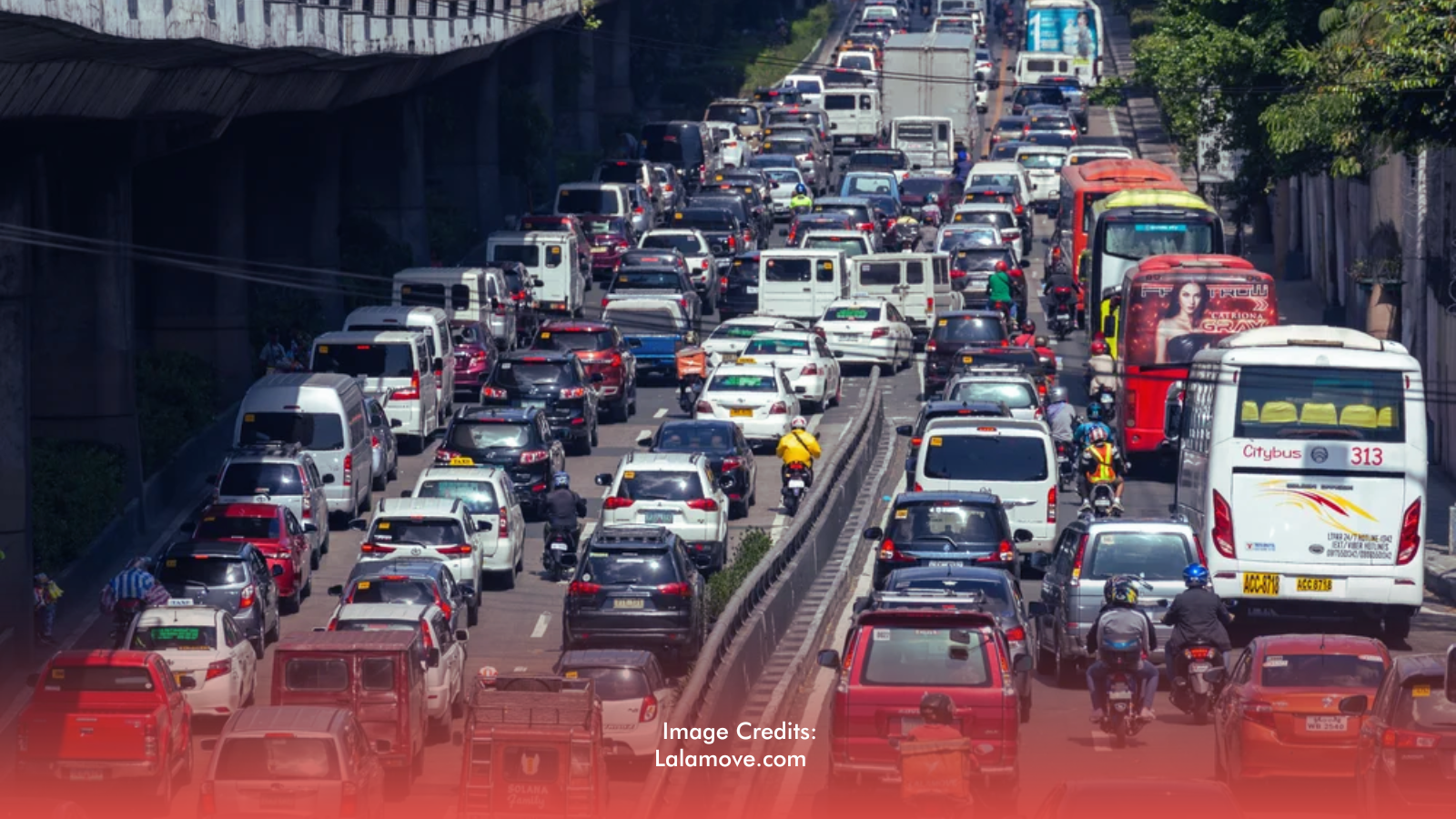
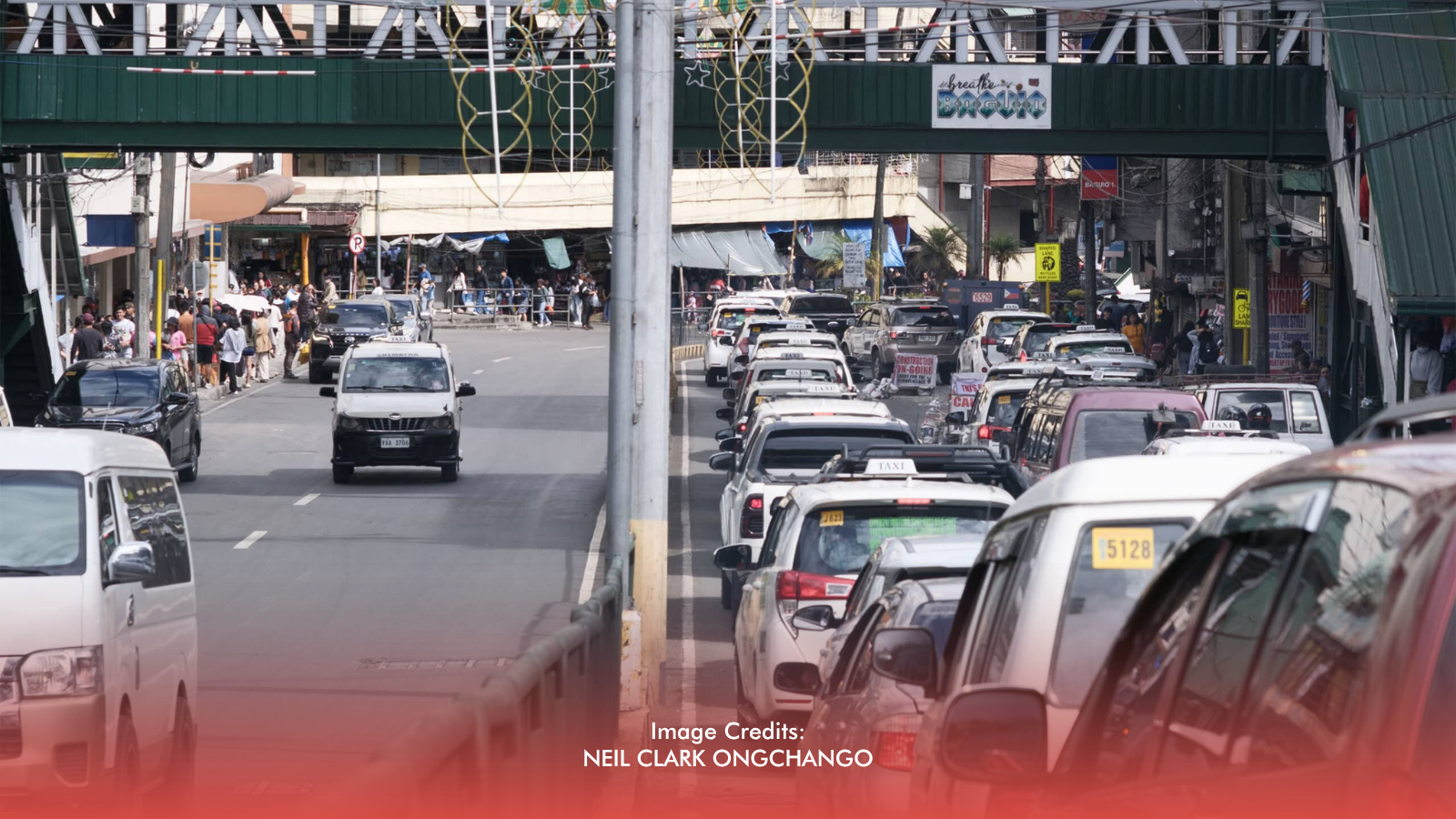
Traffic in Baguio is no longer just a transportation issue.
What was once a problem mostly associated with weekends and tourist seasons is increasingly becoming a year-round challenge. Workers spend more time commuting, students lose valuable hours in transit, and businesses face delays that can affect operations and productivity.
As congestion becomes more common, the impact is felt not just on the road but across the city's economy.
A City Beyond Its Intended Capacity
The numbers tell the bulk of the story.
According to the Baguio City Police Office's Traffic Enforcement Unit, the city's road network was designed to accommodate only around 15,000 to 20,000 vehicles. Today, the number of registered vehicles in Baguio has reached an estimated 60,000 to 65,000, excluding tourists and daily commuters entering the city from neighboring towns.
The gap is visible on the road every day. Major routes regularly experience congestion, while the city continues to face a parking shortage estimated at around 14,000 spaces.
Growth Brings More Than Opportunity
For a city already operating beyond its intended vehicle capacity, periods of high tourist activity can quickly place additional strain on roads and public transportation systems.
Before the pandemic, the city was welcoming between 1.7 million and 1.8 million visitors annually, and local officials have expressed hopes of reaching 2.2 million tourists a year as the sector continues to recover. During the 2025 Panagbenga Festival, transport operators reported passenger volumes rising by as much as 40 to 50 percent as visitors flocked to the city.
Tourism has always been one of Baguio's economic lifelines, supporting hotels, restaurants, transport services, and local businesses. The challenge, however, lies in ensuring that infrastructure keeps pace with Baguio's growing popularity as a destination, education center, and regional business hub.
Rising to the Challenge
City officials have acknowledged the growing challenge.
In June 2026, Mayor Benjamin Magalong announced plans to update Baguio's Smart Mobility System Master Plan through a new feasibility study aimed at identifying long-term transportation solutions. The city is also pursuing projects such as the proposed Baguio City Integrated Terminal, which is expected to help reduce congestion in the central business district and improve the flow of people and vehicles.
These initiatives reflect a growing recognition that traffic is no longer just a seasonal inconvenience. It has become an urban challenge that requires long-term planning.
The Cost of Congestion
As Baguio continues to grow, the ability of people to move efficiently around the city will increasingly influence everything from business performance and tourism experience to education outcomes and overall quality of life.
The challenge facing Baguio today is no longer whether people want to come to the city. It is whether the city's transportation systems can keep pace with the demand.