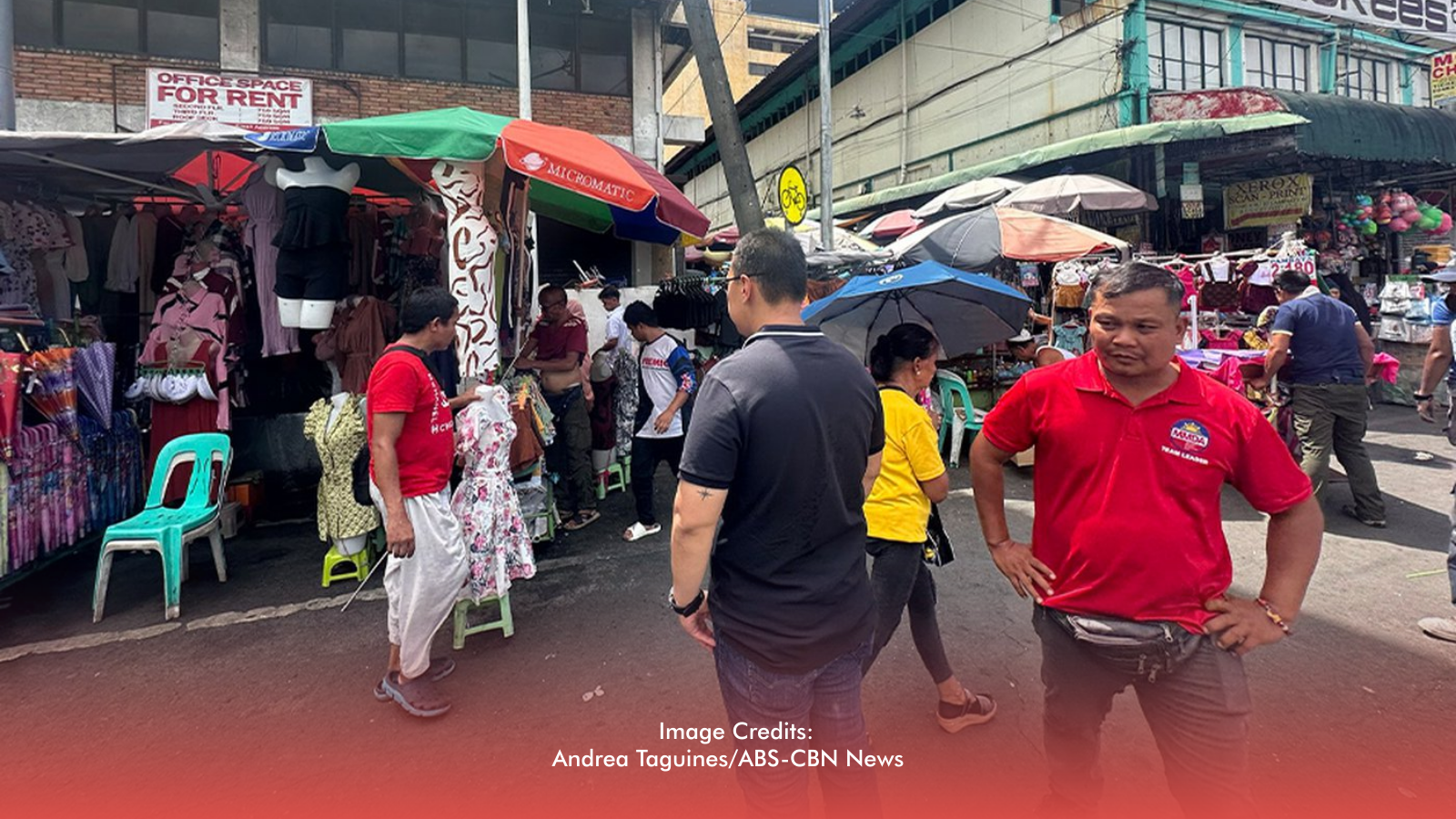
Efforts to balance road safety and the rights of informal workers are gaining ground as the Metropolitan Manila Development Authority (MMDA) reviews a proposal aimed at ensuring humane treatment of street vendors during clearing operations.
The initiative was put forward by the Presidential Commission for the Urban Poor (PCUP), which is seeking the adoption of a joint memorandum circular (JMC) that would establish clearer social safeguards when authorities remove illegal or informal vendors from roads and sidewalks.
Proposed Protocols for Humane Enforcement
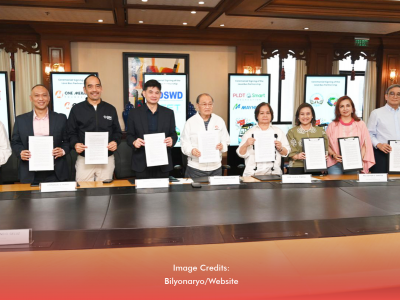
PCUP Commissioner Reynaldo Galupo met with MMDA General Manager Nicolas Torre III, along with MMDA Health, Public Safety and Environmental Protection Office head Francisco Martinez and Special Operations Group-Task Force for Road Clearing chief Gabriel Go, to formally present the draft circular. During the discussions, Torre said the MMDA would study the proposed memorandum circular and later issue comments or possible alternative recommendations.
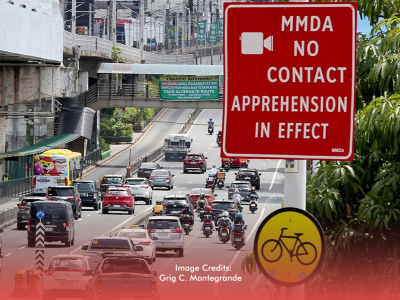
MMDA officials noted in the meeting that illegal vendors frequently engage in “dangerous acts of vending” along heavily trafficked streets and pedestrian areas, and that many tend to return shortly after clearing teams finish their operations.
Galupo emphasized that the recurring issue of sidewalk and roadside vending cannot be resolved through enforcement alone, stressing the need for coordinated action that begins at the barangay and local government unit level and involves multiple agencies.
“Vendors must be given viable options and that clearing operations must remain humane,” Galupo said.
He added that enforcement teams must avoid inhumane treatment and ensure that confiscated goods are returned after operations. The proposed JMC, titled “Refined Social Safeguards and Protocols in the Conduct of Road Clearing Operations Concerning Informal and Street Vendors,” seeks to strengthen protective measures for vendors while maintaining order during clearing drives.
Toward a ‘Win-Win’ Approach
Both the MMDA and PCUP signaled their willingness to continue discussions to find common ground between maintaining public order and safeguarding vulnerable sectors affected by road clearing initiatives.
Authorities acknowledged that while clearing operations are necessary to ensure public safety and smooth traffic flow, they must also consider the livelihoods of those who depend on street vending for daily income.
For ordinary Filipinos, from commuters navigating busy sidewalks to small vendors trying to earn a living, the outcome of these talks carries real impact. Striking a fair balance could mean safer streets without disregarding the welfare of marginalized workers, reinforcing the broader goal of inclusive urban governance in Metro Manila.
RELATED: [MMDA, DOE Partner To Launch Waste-To-Energy Projects In NCR]