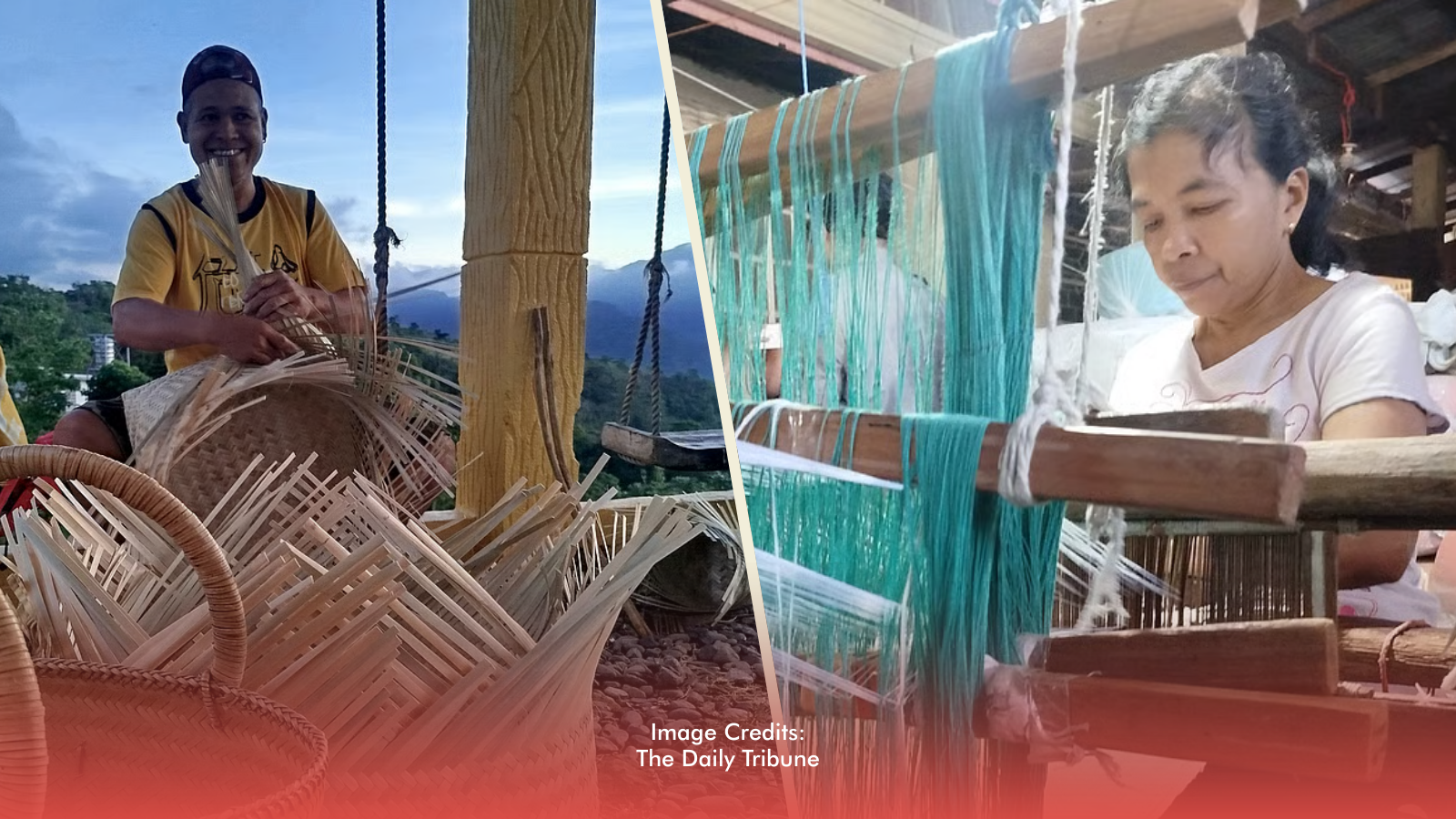
In a town in La Union, the tradition of bamboo weaving is being kept alive by senior artisans who are now passing their skills to the younger generation. The municipal government plans to establish a bamboo demonstration center to both preserve the craft and provide employment for young people.
Tourism officer Rona Mae Paticaoen said most weavers are senior citizens, making sustainability a challenge. “We want to give young people jobs at the demo center, so they’ll earn a salary while learning from our elder weavers,” she explained. The idea came from tourists eager to see how the bamboo products they buy are made.
Weaving Communities and Their Unique Craft
Three barangays in the town are actively involved in bamboo weaving. The Duplas-Bulalaan weavers focus on baskets, pouches, and wallets, while the Turod Bamboo Weavers produce baskets, trays, and bags. Paticaoen noted that the variety helps avoid competition between groups. Duplas and Bulalaan have 20 members, and Turod has 10.
To ensure a steady supply of raw materials, the town organizes bamboo-planting activities each year. “We started planting bamboos every first week of October at the Top Allan Adventure Park,” Paticaoen said. The park, a rising tourist spot, offers scenic mountain views, a sea of clouds, and aerial vistas of La Union.
A Family Craft Passed Down Through Generations
For many weavers, bamboo weaving is more than a craft—it’s a livelihood. Luisito Corpuz, 54, has been weaving since he was 10, learning the skill from his father. Noli Velasco, 70, spent over 30 years weaving bamboo products, enabling him to send his children to college, though none chose to continue the craft.
Weavers sell their products in sets to companies in La Union and beyond. Each item takes roughly two days to complete, from cleaning the bamboo to finishing the weaving, highlighting the patience and skill involved in preserving this traditional art.