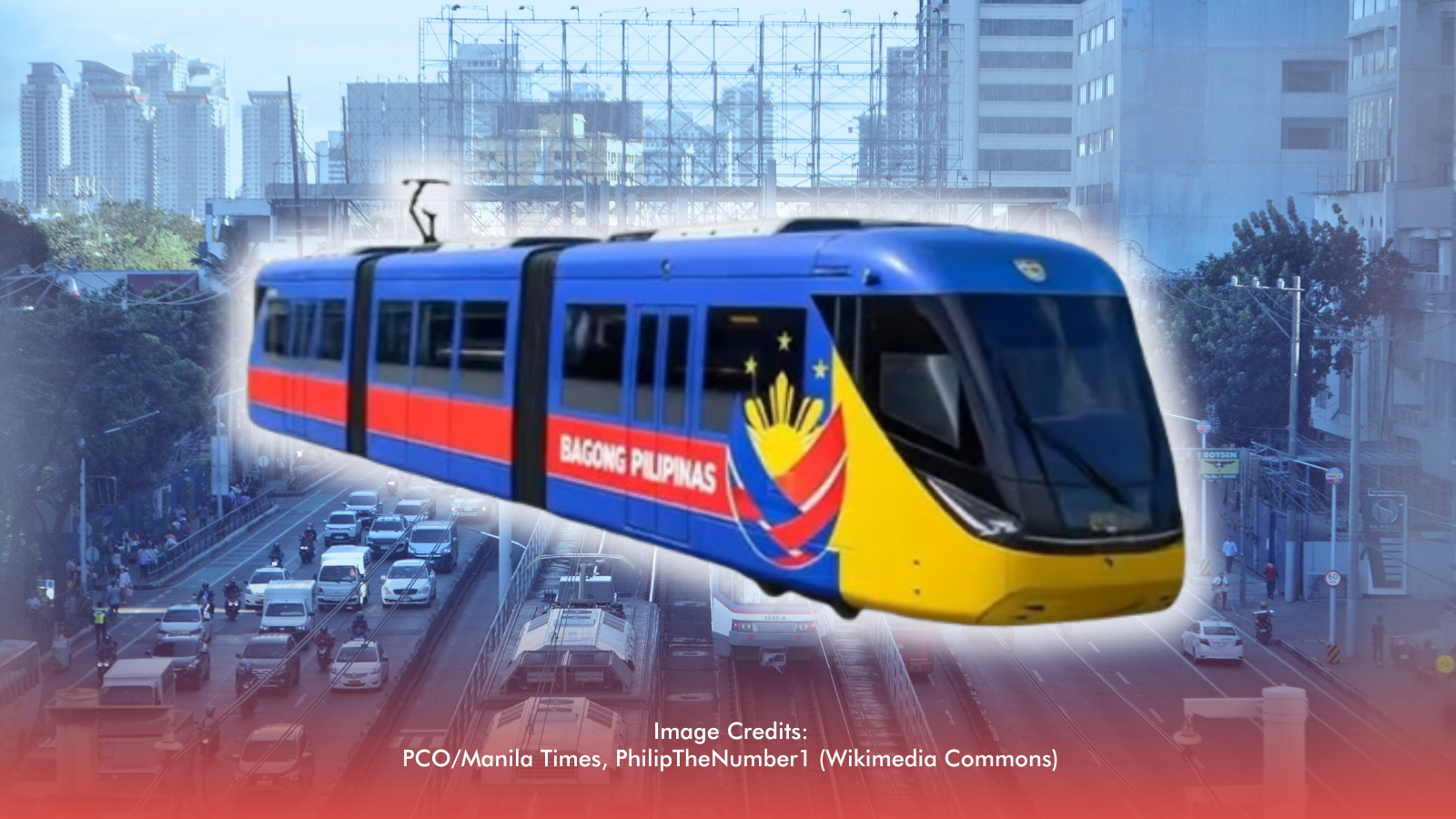
Metro Manila commuters may soon experience a modern, eco-friendly alternative to conventional public transport, as the Philippine Reclamation Authority (PRA) announced the upcoming launch of the Autonomous Rapid Rail Transit (ARRT) system. This fully electric, rail-free mass transit solution is expected to start operating in the Pasay and Parañaque reclamation areas by August or September 2026.
RELATED: [Marcos Highlights Need To Rethink Car-Centric Transport In PH]
Driverless, Tram-Style Transit
The ARRT consists of articulated, driverless electric vehicles that run on rubber tires, designed to resemble the modern trams seen in other countries. Its autonomous operation aims to provide a dependable, safe, and comfortable commuting option, while addressing the chronic traffic congestion in Metro Manila.
PRA Assistant General Manager Joey Gonzales emphasized the system’s role in encouraging motorists to shift away from private cars.
“This is a modern, safe, and comfortable transport system intended to persuade motorists to leave their cars behind and shift to public transportation,” Gonzales said.
Taxpayer Funds Not Required
Gonzales assured the public that the ARRT project would not rely on government funds. “We assure the public that this is not a wasteful use of people’s taxes,” he added, explaining that the PRA operates as a self-liquidating government-owned and controlled corporation capable of independently financing its projects.
To maintain accountability, the Commission on Audit will oversee the bidding and procurement processes for the ARRT. The initial rollout in Pasay and Parañaque is strategically planned to coincide with the Philippines’ hosting of the ASEAN meetings later this year. If the pilot proves successful, PRA is considering expanding the system to other parts of Metro Manila.
The introduction of the ARRT represents a significant step toward modernizing the country’s public transportation system. For the average Filipino commuter, this means access to a reliable, environmentally friendly option that could reduce travel time, lessen traffic congestion, and improve the quality of urban mobility in the capital.
RELATED: [DOTr Eyes Co-Design With Commuters For Public Transport Plans]