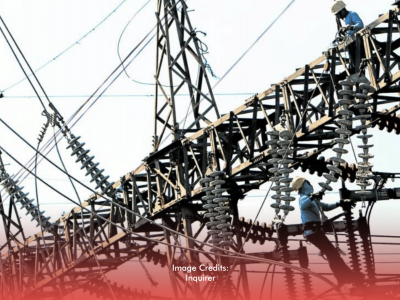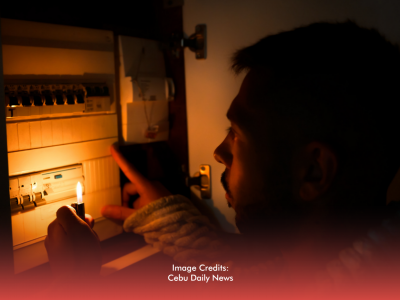
The Department of Energy (DOE) is considering suspending the reserve market after electricity reserve prices in the Visayas spiked to as high as P30 per kilowatt-hour (kWh), The Freeman reported on Wednesday, October 14.
Energy Secretary Sharon Garin said reserve prices, originally around P10, had reportedly climbed to P20 and even P30 amid supply concerns in the Visayas. She spoke at the Cebu Energy Summit at the Cebu Provincial Capitol on Monday, October 12.
“If it’s just a ground for abuse of some of our generation companies, we might as well suspend it,” Garin said. “That’s abuse of market already.”
What Is the Reserve Market?
Power grids need backup supply, called reserves, ready to kick in when demand jumps or a power plant suddenly goes offline. The reserve market is where this backup power is bought, as part of the Wholesale Electricity Spot Market (WESM).
Garin said generation costs should not reach these levels.
What the DOE Is Doing
- It has referred the matter to the Philippine Competition Commission (PCC) to check for abusive market behavior.
- It will ask the Energy Regulatory Commission (ERC) to assess whether the reserve market should be suspended or removed, or whether another step is better.
Garin said the reserve market was introduced partly because the National Grid Corporation of the Philippines (NGCP) was not securing enough ancillary services, or reserves, through contracts. She urged NGCP to sign more fixed contracts instead of relying on the reserve market, which she said exposes consumers to unusually high prices.
The Cebu Bottleneck
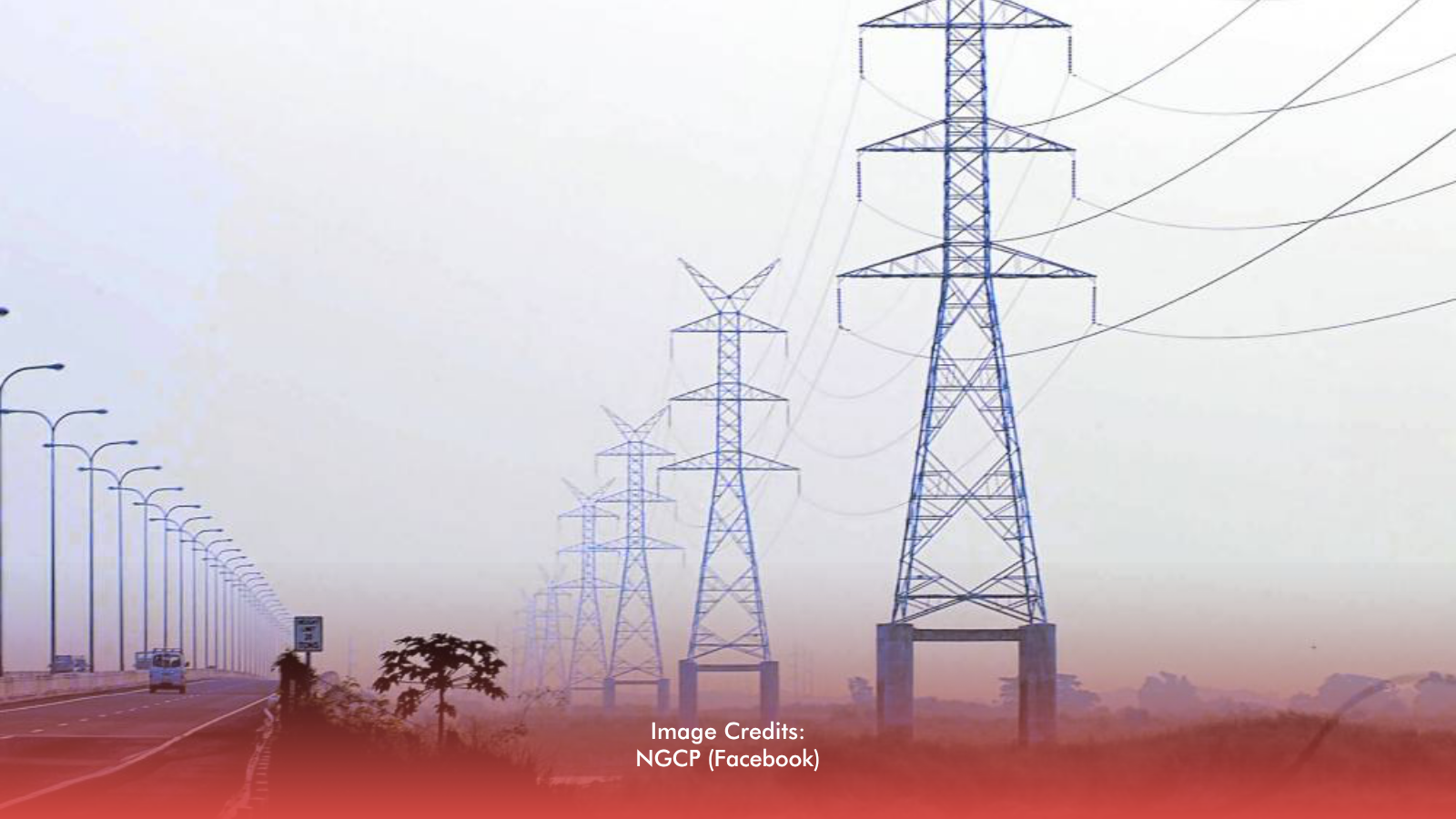
Garin also asked NGCP to study the transmission link from Luzon through Leyte to Cebu. Cebu can draw extra power from Luzon, but the Leyte-to-Cebu line limits how much gets through.
She cited a capacity of about 250 megawatts (MW) for the Leyte-to-Cebu link, compared with a potential 450 MW from the wider transmission setup.
Garin said she was raising the issue publicly because NGCP had not been listening to her. “Kaya ’yan-announce ko para kayo na naman humingi sa kaniya,” she said. (That’s why I announced it, so that you can also ask them.)
She said Cebu’s power demand is growing about 14% a year, far faster than the roughly 6% growth in the rest of the country.
Supply Outlook: Normal for Now
DOE Undersecretary Mario Marasigan said the supply outlook is normal across Luzon, the Visayas and Mindanao for this week and the next two weeks, with no yellow or red alerts projected.
He warned, however, that delays in restoring offline plants in Luzon could tighten reserves in the following weeks. The DOE is also identifying transmission lines and substations with frequent outages.
Why It Matters
Reserve costs can end up in consumers’ power bills. If regulators find abuse, a suspension could ease pressure on Visayas electricity prices. For Cebu, the bigger fix may be a stronger link to the Luzon grid.