The Overseas Workers Welfare Administration in Central Visayas (OWWA-7) is strengthening its reintegration programs for overseas Filipino workers returning to the country, particularly those affected by ongoing tensions in the Middle East. Through the Balik Pinas, Balik Hanapbuhay (BPBH) program, qualified OFWs may receive livelihood support of up to P20,000 to help them restart or build small businesses after coming home.
The BPBH initiative serves as OWWA’s main reintegration program for displaced and distressed migrant workers. The assistance is intended to provide either start-up capital or additional funding for returning OFWs planning to establish or expand livelihood projects in their communities.
Financial assistance varies depending on OWWA membership records. Active members may receive P20,000, while inactive members with more than one contribution may qualify for P10,000. Those with only one recorded contribution may receive P5,000. Undocumented workers are not covered under OWWA assistance and are instead referred to the Department of Migrant Workers (DMW) for other available support programs.
RELATED: [P604M Fuel Aid Set For Bicol Farmers, Fisherfolk Amid Economic Pressure]
Cebu Records Highest Number of Beneficiaries
Data from OWWA-7 showed that in 2025 alone, the agency distributed P13.015 million in livelihood grants to 678 beneficiaries throughout Central Visayas. The figures included 448 recipients in Cebu, 133 in Bohol, 78 in Negros Oriental, and 19 in Siquijor.
From January to April 2026, OWWA-7 had already released P4.67 million to 322 beneficiaries across the region. Cebu again recorded the highest number of recipients with 237 beneficiaries, followed by Bohol with 47, Negros Oriental with 35, and Siquijor with three.
OWWA-7 Workers Welfare Officer II Darlene Mae Gille explained that business proposals vary depending on the applicant’s location, with urban applicants often leaning toward retail ventures while rural applicants commonly pursue agriculture-related projects.
“Regardless of what project they propose, as long as it is legitimate and the project is also feasible in their area or place of residence, we have no problem with that,” Gille said.
Updated Guidelines Simplify Applications
The agency also implemented updated guidelines issued on April 20, 2026, which removed the previous requirement for site inspections of proposed projects. Applicants are now required to submit certification or referral documents from migrant workers’ offices abroad confirming distress, displacement, or work-related issues.
Before receiving assistance, beneficiaries must complete a one-day Entrepreneurship Development Training (EDT) conducted by the Department of Trade and Industry (DTI) through Negosyo Centers, unless exempted because they already operate an existing business.
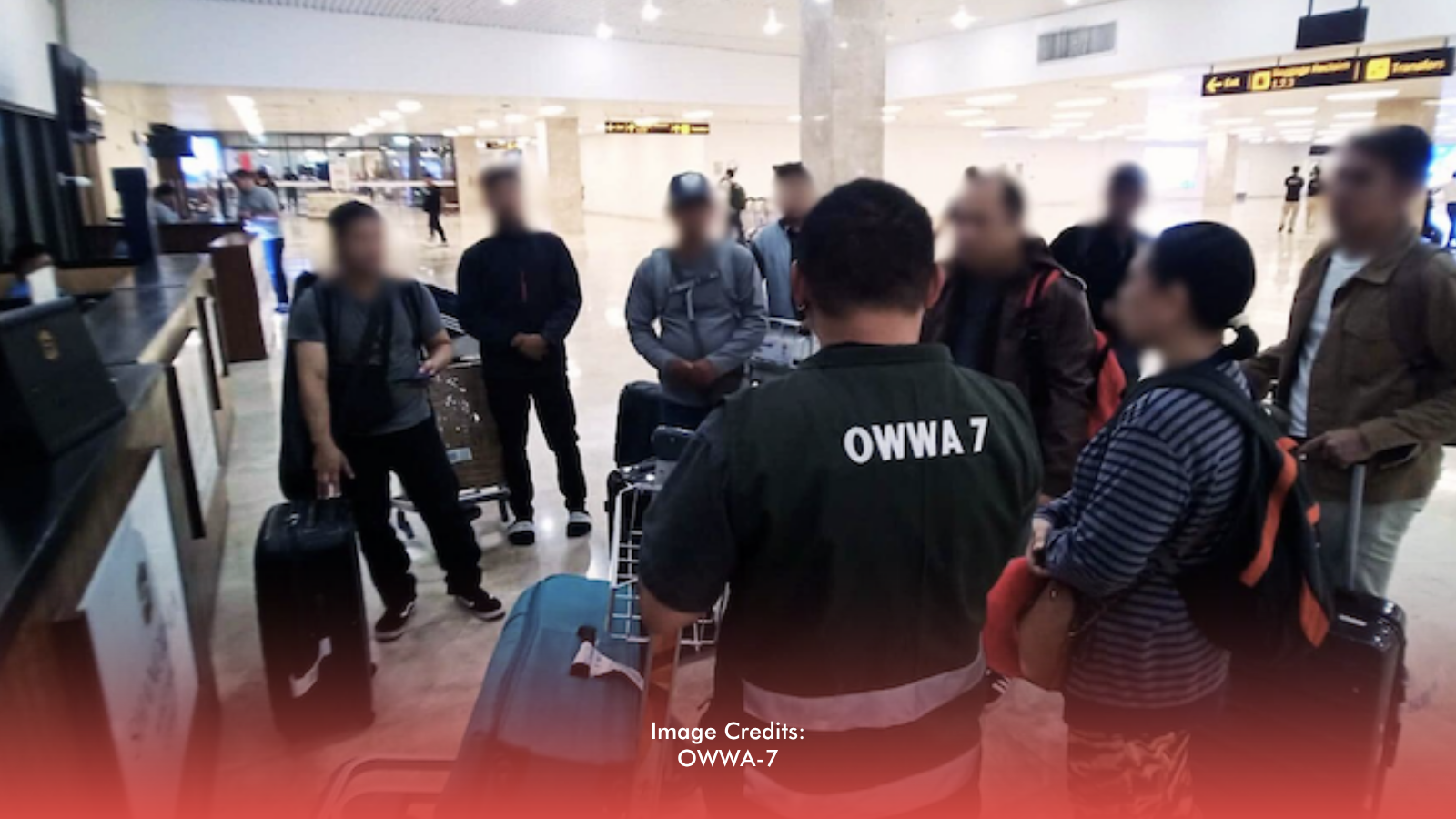
OWWA-7 continues accepting walk-in applications through its Cebu City office, satellite offices in Bohol and Negros Oriental, and PESO offices in Siquijor. As of April 27, 2026, the agency had already assisted 225 repatriated OFWs from the Middle East through airport and transportation support services.
Among those assisted, 15 formally applied for the BPBH program, including eight from Cebu, five from Bohol, and two from Negros Oriental. Officials noted that actual interest could still rise as many returning workers continue evaluating their options after arriving home.
For many Filipino families, livelihood assistance programs like BPBH provide a critical safety net during uncertain times. Beyond helping returning OFWs recover financially, the initiative also supports local communities by encouraging entrepreneurship, generating income opportunities, and helping families regain stability after overseas displacement.
RELATED: [PH Among Most Exposed Economies To Potential Food Price Surge]