
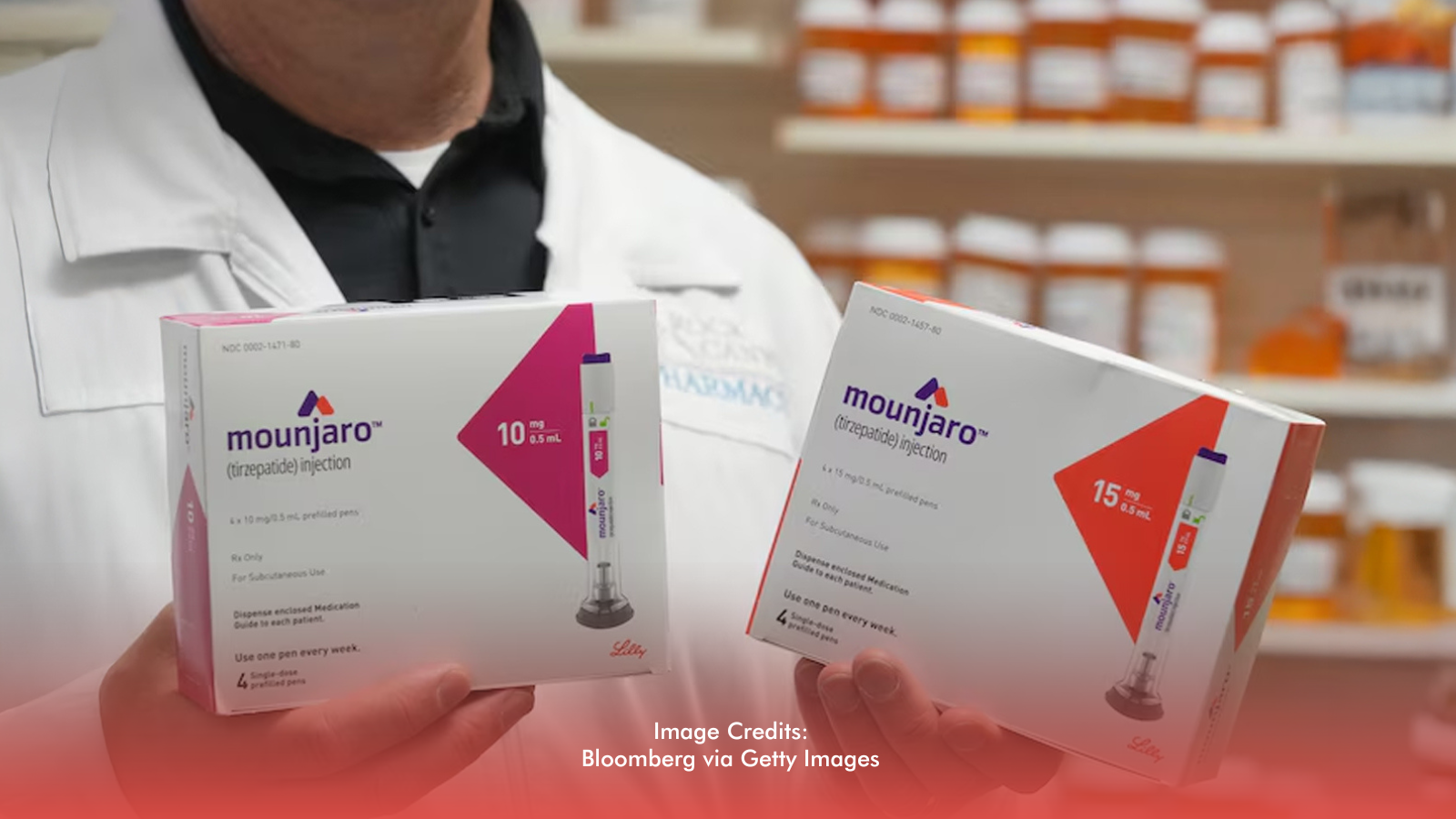
The World Health Organization (WHO) has released its first global guidelines on Glucagon-Like Peptide-1 (GLP-1) therapies to address the escalating obesity crisis, which now affects over 1 billion people worldwide. Obesity was linked to 3.7 million deaths in 2024, and without decisive interventions, the WHO warns that the number of people living with the condition could double by 2030. GLP-1 therapies are medications that help individuals feel fuller for longer, offering a new tool in the fight against this chronic disease.
WHO Director-General Tedros Adhanom Ghebreyesus emphasized the need for a comprehensive approach: “Obesity is a major global health challenge that WHO is committed to addressing. Medication alone won’t solve this crisis, but GLP-1 therapies can help millions overcome obesity and reduce its associated harms.”
GLP-1 Therapies and Lifestyle Support
The guidelines recommend GLP-1 therapies for long-term treatment of obesity in adults, excluding pregnant women. However, the WHO notes that this guidance is conditional due to limited long-term safety data, high costs, and potential equity issues.
Importantly, WHO encourages combining GLP-1 medications with intensive behavioral interventions, including structured diet and physical activity programs. Evidence suggests that pairing medication with lifestyle changes can improve outcomes, making the treatment more effective and sustainable.
The Broader Implications of Obesity
Obesity is not only a personal health issue but a global economic and public health concern. It contributes to cardiovascular disease, type 2 diabetes, certain cancers, and worsened outcomes in infectious diseases. By 2030, the economic burden of obesity is projected to reach USD3 trillion annually.
The WHO calls for broader strategies, including creating healthier environments, early interventions for high-risk populations, and lifelong, person-centered care. The agency also stressed the need for equitable access to GLP-1 therapies, warning that fewer than 10 percent of those who could benefit are expected to receive them by 2030.
In September, GLP-1 therapies were added to WHO’s Essential Medicines List for managing type 2 diabetes in high-risk groups, signaling a critical step toward broader access and standardizing care for obesity-related conditions.