PAGASA has warned that the Philippines is facing a “Very Strong El Niño,” which could bring prolonged dry spells, water shortages, and warmer temperatures. Preparing for it takes more than conserving water; it also means protecting food supplies, strengthening essential infrastructure, and restoring the ecosystems that help communities withstand environmental threats.
Strengthening Essential Services
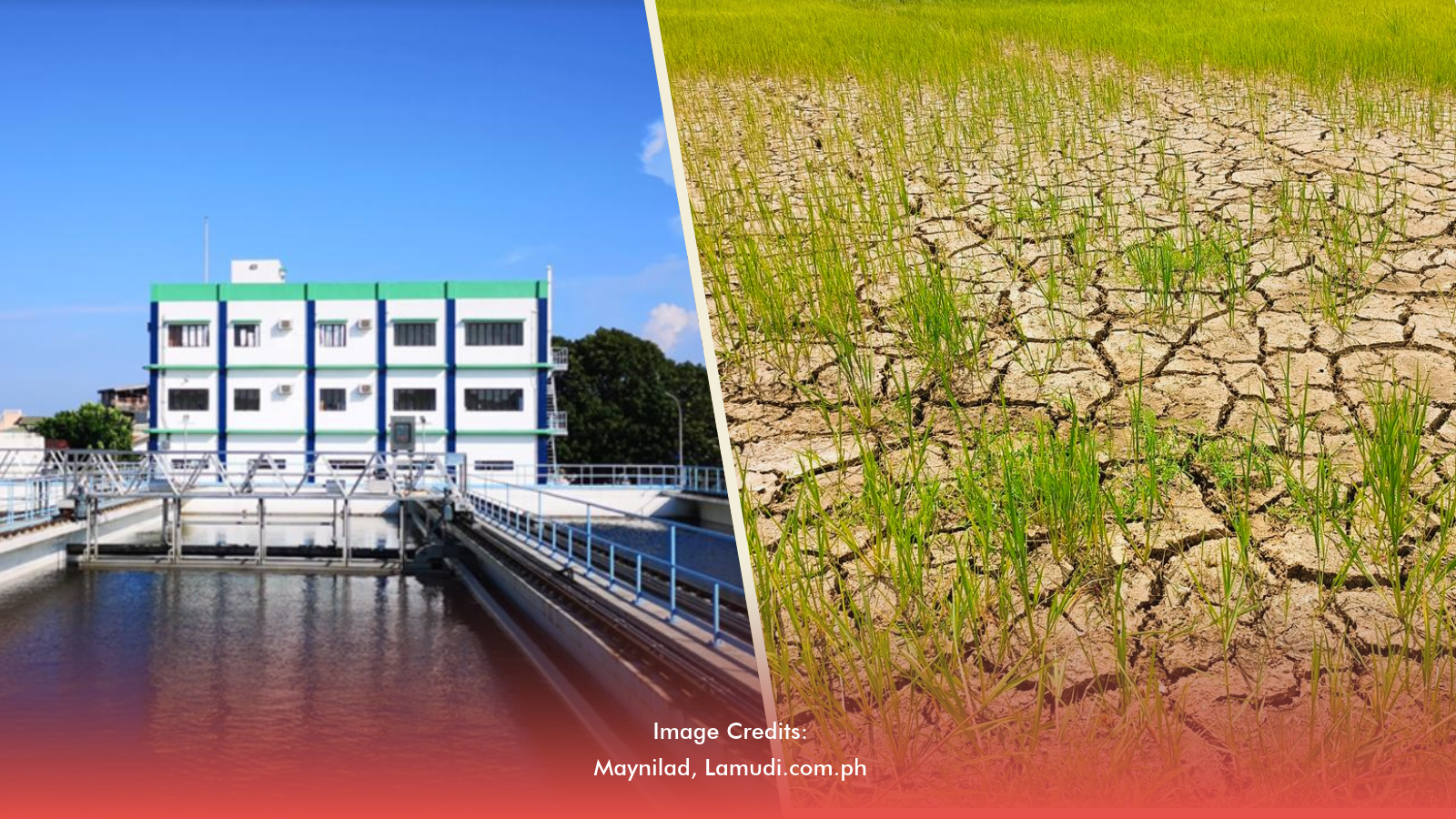
Water [and electricity] providers are already acting. Maynilad, for example, is expanding alternative water sources, improving storage, and repairing leaks, while converting former sludge lagoons into raw-water reservoirs. Meanwhile, Metro Pacific Iloilo Water has deployed more than 20 water tankers and community water tanks, alongside continuous leak detection and 24-hour monitoring teams.
Food security is also at stake. Reduced rainfall can hurt crops, especially in rain-fed farming areas, and agricultural losses can push food prices up. So the Department of Agriculture is reviewing its El Niño response plans to protect farmers and food supplies.
Protecting Nature
Healthy ecosystems are also part of [climate] resilience, which is where mangroves come in. As natural coastal barriers, their dense roots stabilize shorelines, reduce erosion, and weaken incoming waves. They also shelter marine life, support fisheries, and store carbon in their vegetation and surrounding sediments.
Mangroves do not prevent El Niño-driven drought, but they help coastal communities withstand other hazards such as erosion and storm surges. Through its One For Trees program, the One Meralco Foundation supports the restoration of 50,000 mangroves in abandoned fishponds in Batan Estuary, Aklan, in partnership with fisherfolk organizations and Aklan State University. It also plants and nurtures 125,000 native mangroves in Del Carmen, Siargao.
Doing Our Part
Households can make a big difference, too. Repair leaking faucets and pipes, store water safely, follow local conservation advisories, reduce food waste, support local farmers, and use electricity efficiently during peak demand. Joining environmental programs and staying updated through PAGASA and local government announcements also help communities prepare.
The Importance of Collective Action
Preparing for the Super El Niño requires cooperation among government agencies, businesses, communities, and households. Stronger infrastructure keeps essential services running, while healthier ecosystems offer natural protection. Together with responsible resource use and early action, these efforts can help build a country that is better prepared, not only for today’s climate challenges but also tomorrow’s risks.