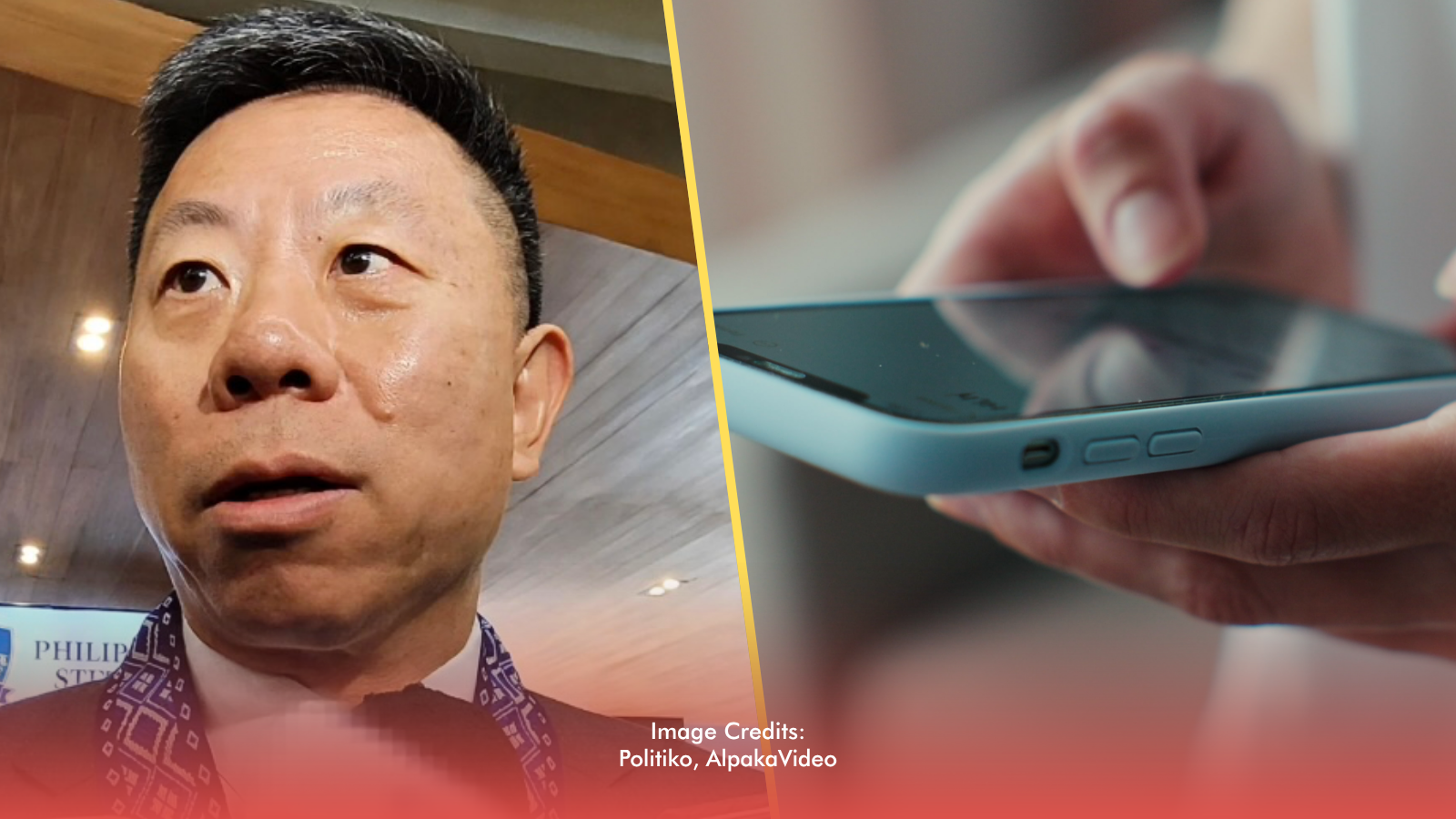
The China-Philippines diplomatic dispute has spilled onto social media, with the Chinese Embassy in Manila responding directly to Philippine lawmakers, senators and government officials through a series of Facebook posts as calls grow to declare Ambassador Jing Quan persona non grata.
The online exchanges have added another dimension to tensions already fueled by Jing’s remarks about China’s ability to use force, concerns over the West Philippine Sea, and disagreements over how both countries should handle their bilateral relationship. While Philippine officials debate the appropriate diplomatic response, the embassy’s public retorts have drawn attention to how an international dispute is being argued in front of a wider online audience.
From Diplomatic Protests to Facebook Exchanges
The embassy’s Facebook page became a platform for direct responses to Philippine officials, including a series of seven posts on Wednesday addressing statements from Senators Francis Pangilinan, Panfilo Lacson, and Vicente Sotto III, Akbayan, Bicol Saro Representative Terry Ridon, Las Piñas Representative Mark Anthony Santos, and Defense Secretary Gilberto Teodoro Jr.
One of its most widely discussed remarks came after lawmakers criticized the embassy and called for Jing’s removal. In a statement apparently directed at Senator Risa Hontiveros’ Senate Resolution No. 746, the embassy declared, “Since you don’t welcome us, we don’t welcome you, either. Fair enough.”
The embassy also addressed House lawmakers who had spoken out against its statements, warning, “Put on record. You are now on the list.” It did not clarify what the list referred to.
The nine lawmakers initially targeted by the remark were Representatives Zia Alonto Adiong, Arlene “Kaka” Bag-ao, Percival “Perci” Cendaña, Leila de Lima, Chel Diokno, Dadah Kiram Ismula, Cielo Krisel Lagman, Karl Legazpi and Mark Anthony Santos. They had urged President Ferdinand Marcos Jr. to reconsider Jing’s continued presence in the country, describing the embassy’s statements as “undiplomatic language” that undermines serious dialogue between the two countries.
Their concerns followed Jing’s remarks that the Philippines should “feel fortunate” to have China as a neighbor and that China could easily win if it chose to “use force.” The Department of Foreign Affairs summoned the ambassador, who met Foreign Secretary Ma. Theresa Lazaro on October 19, 2026, to address what the embassy described as statements that took his remarks out of context.
Jing maintained that his comments were intended to emphasize peace rather than threaten the Philippines. “Peace is hard-won in this region. We should cherish the peace. This is not called ‘threat,’ but the effort to uphold peace. On maritime disputes, China has exercised great restraint,” he told Lazaro.
The embassy, however, continued to challenge Philippine officials’ criticism. Responding to Pangilinan’s demand that Jing be sent home, it asked: “Using thuggish, hooligan-style language to launch personal attacks on others—is this the calibre and standards of a Philippine senator? Is this the diplomacy and prudence that the [Department of Foreign Affairs] claims to uphold?”
The Dispute Expands Beyond the Embassy
The social media exchanges have coincided with growing efforts in Congress to have Jing declared persona non grata. Ten House lawmakers filed House Resolution No. 1562 seeking his expulsion, adding to the measures already raised in the Senate. The resolution argues that the President must respond to statements and conduct that undermine national sovereignty and threaten the country’s security.
Akbayan said the embassy’s attempt to put lawmakers on a list had failed to deter them. “China placed these lawmakers on a ‘list’ in an attempt to intimidate them, but it backfired completely,” the group said in a Facebook post. The embassy later responded to the filing of the House resolution with another short message: “Okay, it’s been put on the list. As you wish.”
The exchanges have also prompted questions about the possible use of online influence campaigns. Senator JV Ejercito raised concerns after his social media page was flooded with comments within minutes of his reaction to Jing’s remarks. During a Senate budget hearing, Teodoro said China’s People’s Liberation Army uses influence and propaganda as part of a broader strategy, pointing to the United Front Work as a pillar of the Chinese Communist Party.
The embassy subsequently posted an image from Chinese tire manufacturer Linglong Tire showing Ejercito endorsing the brand, with the caption, “Chinese brand ambassador? How do you feel?” Ejercito urged Filipinos to remain vigilant about efforts that could deepen divisions over national interests.
Research cited in the supplied reports has also raised concerns about the reach of online propaganda. In 2016, National Public Radio cited a Harvard study estimating that the Chinese government fabricates about 488 million social media posts each year. In 2021, the Council on Foreign Relations reported that China’s internet trolls were “more aggressively pushing propaganda on foreign social media networks” and warned that they “pose serious threats to economic security, political stability, and personal safety worldwide.” These findings provide context for the concerns being raised, but do not by themselves establish that the activity reported by individual Philippine officials was coordinated by the Chinese government.
Not all officials have supported escalating the dispute through public confrontation. Senator Robin Padilla urged those criticizing Jing to meet with him directly, saying, “If you have an issue with someone, you need to talk to them in person so you can get to know them. Maybe they should talk to you in person, too, so they know why I said he is educated, a gentleman, and direct.”
Lacson, meanwhile, argued that asking China to recall its ambassador need not mean diplomacy has failed. “It is a dignified act of preserving bilateral relations,” he said, defending the decision to call out conduct viewed as undiplomatic toward elected officials in the ambassador’s host country.
At the center of the dispute is a wider disagreement over Philippine sovereignty and the West Philippine Sea. In 2016, an arbitral tribunal ruled in favor of the Philippines under the United Nations Convention on the Law of the Sea, rejecting key elements of China’s claims in the South China Sea. China has repeatedly rejected that ruling as “null and void.”
As the diplomatic dispute plays out online, its consequences extend beyond political figures and embassy accounts. The Philippines’ maritime rights affect Filipino fisherfolk, coastal communities, national security and the country’s ability to defend its interests without escalating tensions. The challenge is to keep public debate focused on those stakes, while ensuring that viral exchanges do not obscure the facts, the diplomatic options available, or the need for a clear and consistent response.
RELATED: [The West PH Sea Dispute: When Diplomacy Turns Tense]