
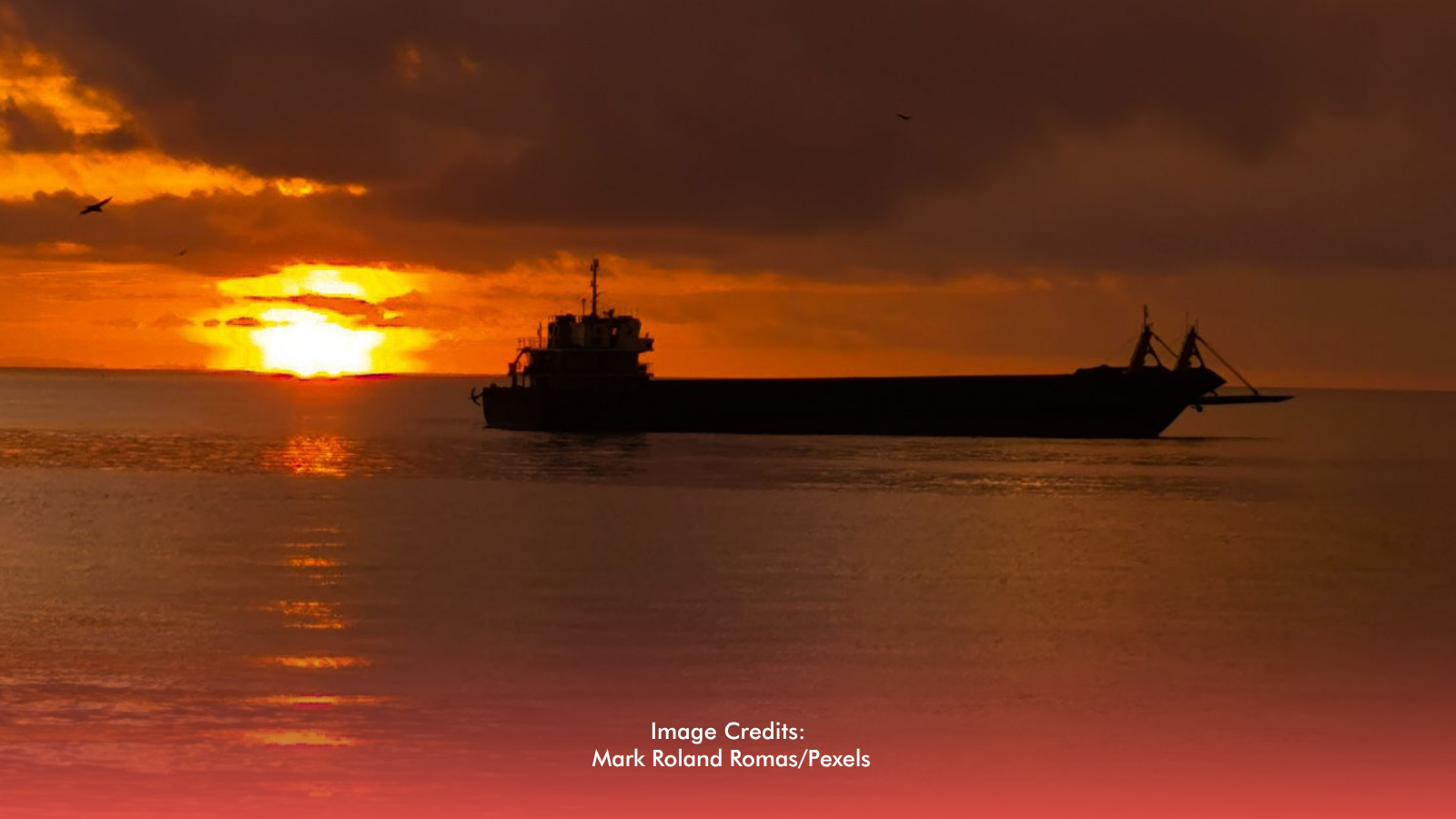
The latest incident in the West Philippine Sea is more than a maritime dispute. It is a test of how countries manage conflict without letting it escalate.
The Philippines and China have once again exchanged diplomatic protests following a recent confrontation in the West Philippine Sea. President Ferdinand Marcos Jr. met with the Chinese ambassador to discuss the incident, while both governments reiterated their respective positions on the disputed waters.
For many Filipinos, these diplomatic developments may seem distant from everyday life. But when countries begin summoning ambassadors and filing formal protests, it signals that tensions have reached a level that requires direct government-to-government engagement.
Why Ambassadors Get Summoned
Contrary to popular belief, summoning an ambassador is not a declaration of conflict. It is one of the strongest diplomatic tools available before relations deteriorate further.
During these meetings, governments formally express concern, seek explanations, or register objections over actions they believe violate international norms or bilateral agreements. It is a way of communicating serious disagreements while keeping dialogue open.
In many ways, diplomacy exists to prevent disputes from becoming something far more dangerous.
More Than Just Lines on a Map
The West Philippine Sea is not only a territorial issue. It is also tied to the country's economy, food security, and national interests.
Thousands of Filipino fishermen depend on these waters for their livelihood. The area also serves as an important maritime route for global trade, making stability in the region important not only for the Philippines but for neighboring countries as well.
Every encounter at sea has the potential to affect confidence, investment, and regional cooperation. While most incidents end without violence, each one reminds the public that unresolved disputes require constant diplomacy and careful decision-making.
A Tightrope Across the Sea
The Philippines continues to assert its maritime rights under international law while strengthening partnerships with regional and global allies. China, meanwhile, maintains its own claims over much of the South China Sea, leading to recurring confrontations despite ongoing diplomatic engagement.
This balancing act has become one of the country's biggest foreign policy challenges. Leaders must protect national interests while ensuring that disagreements remain within diplomatic channels rather than escalating into armed conflict.
The Human Cost of Geopolitics
Diplomatic disputes do not stay confined to government offices or official statements. In recent weeks, social media has also become a battleground, with videos and posts containing racial slurs and derogatory remarks directed at Filipinos gaining widespread attention. One viral clip, in particular, drew outrage after Filipinos were referred to as "monkeys," highlighting how quickly political disagreements can spill over into prejudice against ordinary people.
While territorial disputes are disagreements between governments, racism targets individuals who have no role in shaping foreign policy. Experts have long warned that nationalist sentiment can fuel online hostility, making it important to distinguish between criticizing a government's actions and attacking an entire nationality or ethnicity.
As conversations about the West Philippine Sea continue, maintaining respectful discourse becomes just as important as defending national interests. Diplomacy is not only tested between states but also in how people choose to engage with one another, especially in digital spaces.
It is easy to view maritime incidents as isolated news events, but they reflect larger questions about sovereignty, regional stability, and international cooperation. For ordinary Filipinos, the impact may not be immediate, but the outcome of these diplomatic efforts influences the country's security, economy, and standing in the region.
As tensions continue to surface in the West Philippine Sea, the real measure of success is not simply how firmly a country responds, but how effectively it protects its interests while preserving peace.