
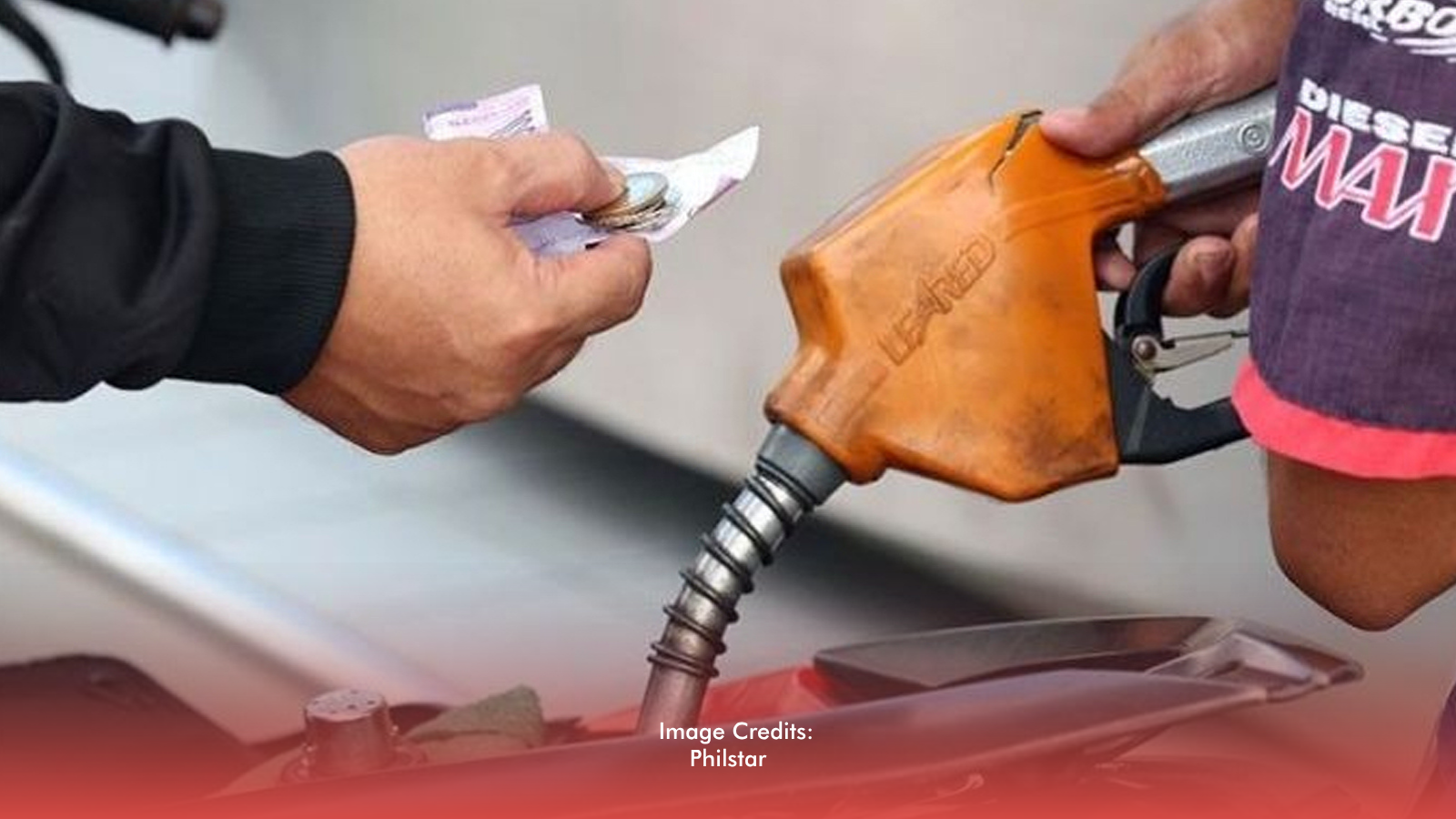
Filipino motorists may soon see lower fuel prices as the Department of Energy (DOE) expects a significant rollback next week, driven by declining global oil prices and improving geopolitical conditions in the Middle East.
DOE Oil Industry Management Bureau Director Rino Abad said the downward trend in international petroleum prices has been evident despite only a few trading days having passed this week.
According to Abad, fuel prices could soon settle within the P70 to P80 per liter range. While this remains higher than the P50 to P60 levels seen before the recent crisis, he noted that prices are moving closer to those benchmarks.
US-Iran Deal Brings Relief to Global Oil Markets
The anticipated rollback follows a major diplomatic development between the United States and Iran.
On Wednesday, U.S. President Donald Trump and Iranian President Masoud Pezeshkian signed a memorandum of understanding aimed at de-escalating tensions and paving the way for a negotiated settlement of the conflict in the Middle East.
A two-month negotiation period is now underway, with the expected reopening of the Strait of Hormuz serving as an early confidence-building measure.
The strategic waterway is one of the world's most important oil transit routes, carrying around one-fifth of global oil and liquefied natural gas shipments. Concerns over potential disruptions in the strait had previously contributed to higher oil prices worldwide.
Stable Situation Could Lead to Further Price Declines
The DOE said it will continue monitoring developments in the region, but current indicators point to a more favorable outlook for both fuel prices and supply.
Abad said that if the agreement between the United States and Iran holds and both parties comply with its conditions during the 60-day period, the global oil market could continue to stabilize.
Such a scenario, he explained, would help bring fuel prices down further and gradually restore supply conditions to levels seen before the crisis. For consumers, the expected rollback next week could mark the beginning of a sustained easing of fuel costs after weeks of volatility in the global energy market.