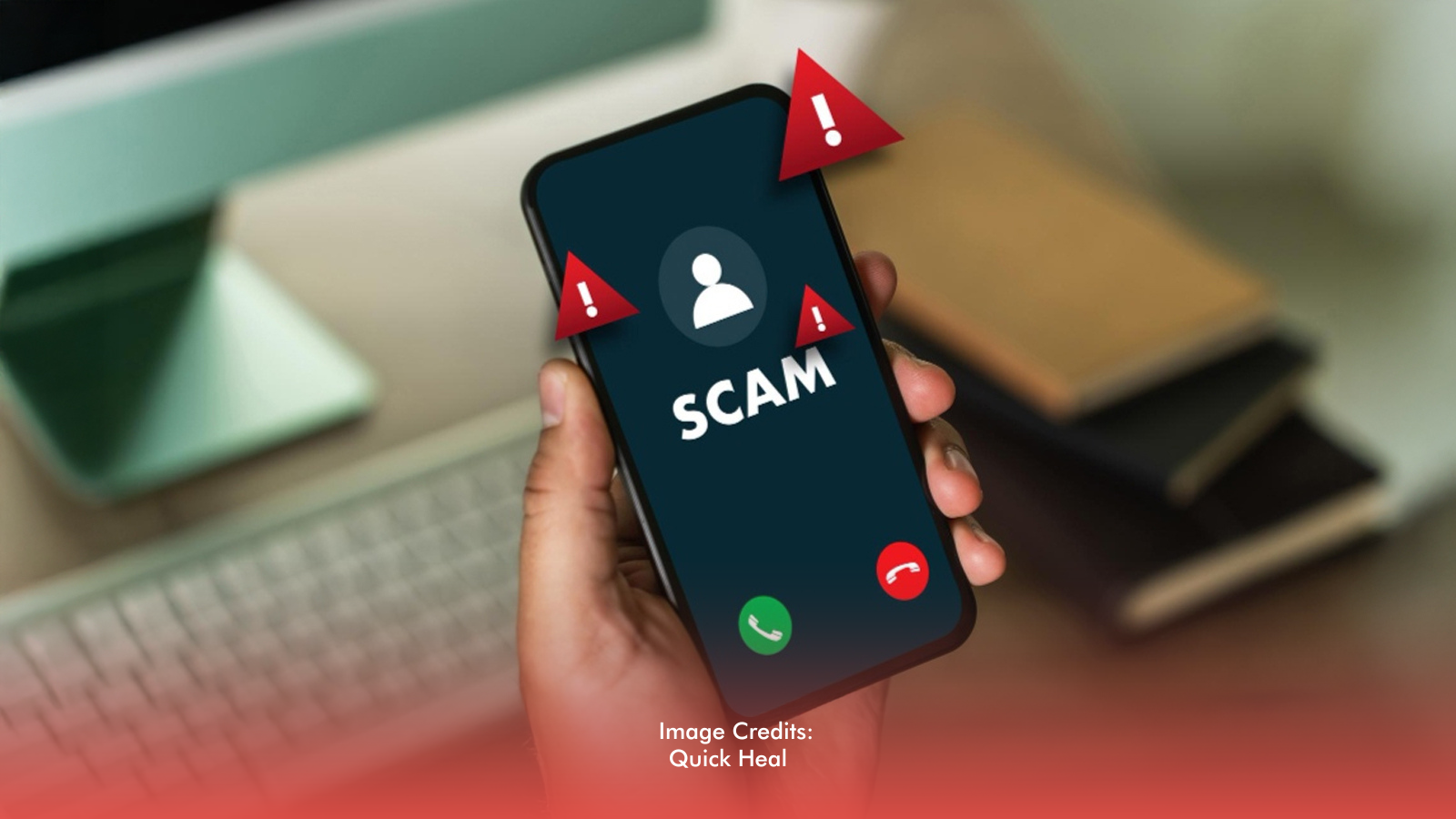
SMS scams in the Philippines saw a dramatic 86.6% drop in 2025, but don’t let that fool you—scammers are not done yet. According to a report by caller ID and anti-fraud app Whoscall, fraudsters have shifted tactics, moving from text messages to call-based scams, often posing as banks or credit card companies.
Whoscall Philippines country head Mel Migriño revealed at a press conference at the Cybercrime Investigation and Coordinating Center (CICC) in Quezon City that only 822,634 SMS scam texts were sent in 2025, down from over 6 million in 2024. The decline is credited to scam hub shutdowns, stricter telecom blocking, and growing public awareness.
Calls Are the New Battleground
Even as SMS scams dropped, call-based scams also remained significant. Last year, 477,302 scam calls were reported, a 21.8% decrease from 610,688 in 2024. Scam calls also fell sharply from 62,390 in Q3 to 28,294 in Q4.
However, a late-year surge in SMS scams—from 37,609 in Q3 to 71,751 in Q4—reveals a frightening new tactic. Scammers are using international mobile subscriber identity (IMSI) catchers, which allow them to send messages or pose as legitimate brands without showing a sender number.
Risky Links Are Everywhere
Another worrying trend is the rise of risky URLs in scam messages. These links, which redirect victims to fake websites, jumped from 13,602 in Q1 2025 to 49,431 in Q4. “Phishing will dominate the scam landscape in 2026,” warned Whoscall PH, affecting SMS, messaging apps, email, and other platforms.
In Q4, links promising loans and rewards made up 63% of risky URLs, followed by collections, travel, and delivery scams. Scam Vault PH, a community-driven reporting platform, recorded dozens of scam reports between June and December 2025, proving that even aware users can fall victim.
While SMS scams are down, the lesson is clear: scammers are evolving. The next time you see a suspicious text or receive a call from a “bank,” think twice before clicking or sharing your personal information.