A nationwide survey suggests that many Filipinos remain skeptical about whether corruption cases in the country truly result in justice, with influence seen as a stronger factor than evidence in determining court outcomes.
Influence Still Seen as the Biggest Factor
Results from a December 12–15, 2025 survey by Pulse Asia show that 51% of Filipino adults believe the use of influence by government officials is the biggest factor in avoiding conviction in corruption cases.
Only 25% said the outcome of such cases primarily depends on the quality of evidence presented in court. Other respondents pointed to the length of trials (16%) and the fairness of judges (8%) as key influences on verdicts.
Despite these concerns, views on the justice system are mixed. 44% of Filipinos said they are confident that the Philippine justice system can successfully prosecute high-level corruption cases. However, 33% remain undecided, while 24% said they are not confident.
Mixed Expectations on Punishment and Senate Probes
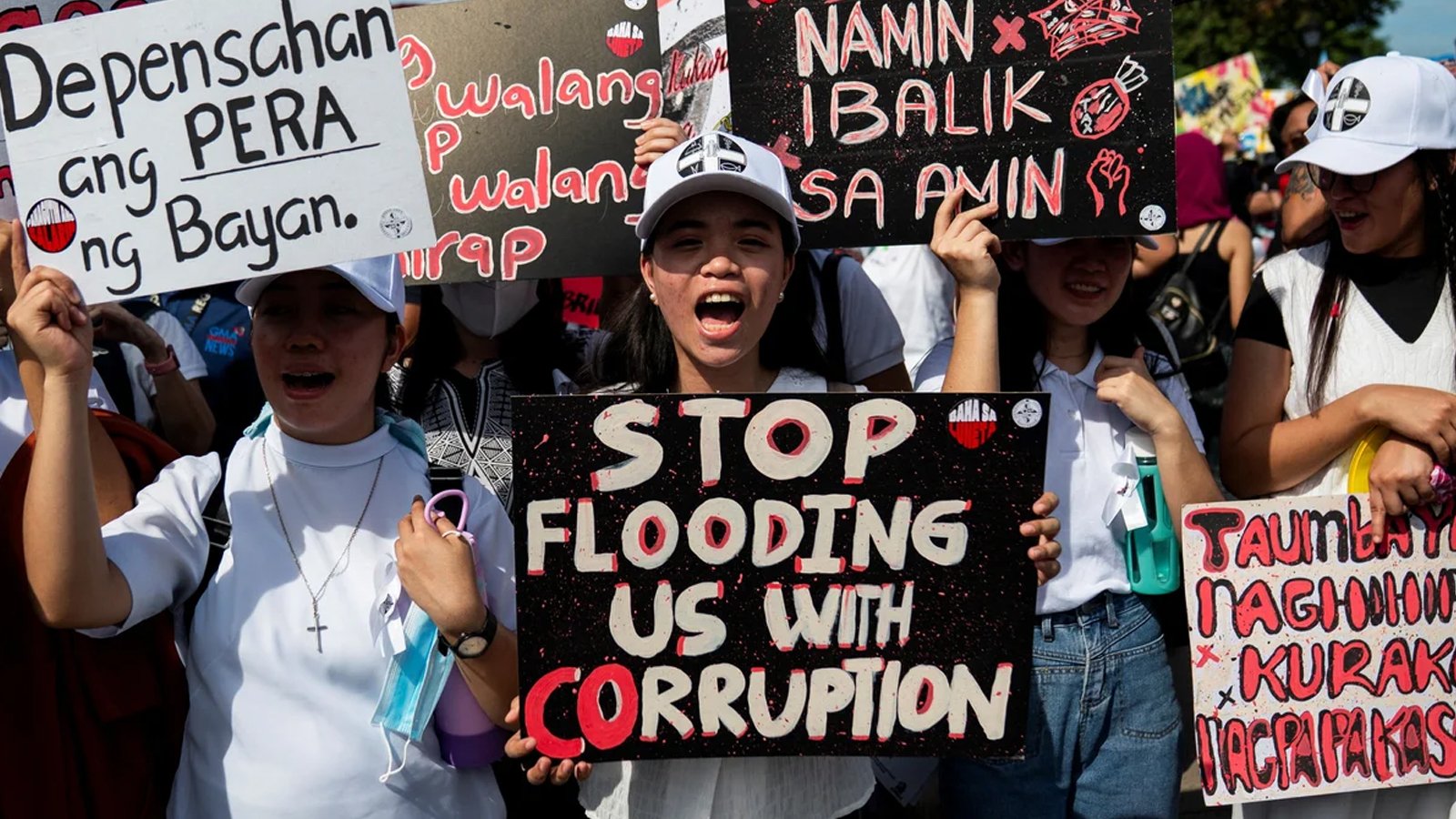
Public optimism about accountability appears to be softening. While 59% of respondents believe government officials allegedly involved in the flood control scandal will be punished, this is a notable drop from 71% recorded in September 2025.
Another 28% were unsure whether punishment would follow, and 13% doubted that those involved would be held accountable.
Opinions were also divided on the effectiveness of Senate investigations. 36% said inquiries by the Senate Blue Ribbon Committee sometimes reveal the truth but have limited impact. 29% believed these hearings could uncover the truth and lead to accountability, while 21% felt they rarely produce meaningful results. About 12% viewed the probes mainly as political theater.
Trust in Institutions—and the Palace Response
When asked which institutions they trust most to address corruption, respondents expressed the highest confidence in the media (54%) and civil society organizations (47%). In contrast, many said they have little or no trust in the Department of Public Works and Highways (59%) and President Ferdinand Marcos Jr. (48%).
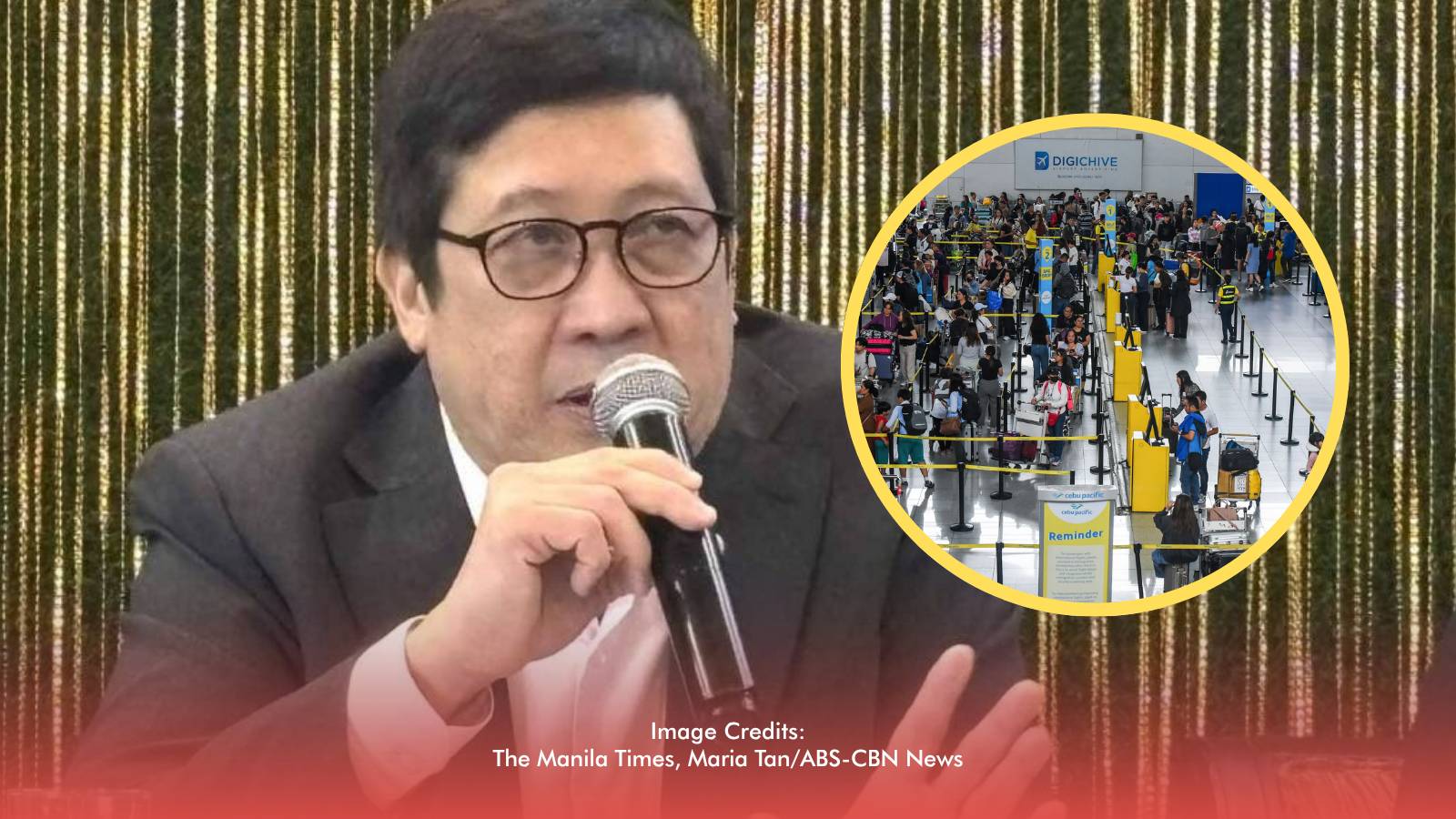
In response, Malacañang Press Officer Undersecretary Claire Castro said the survey still shows majority support for the President’s ability to address corruption, noting that 52% believe the issue can be resolved under his leadership. She emphasized that the administration has taken steps to confront corruption, adding that not all cases require direct presidential investigation.
The Pulse Asia survey was conducted through face-to-face interviews with 1,200 respondents aged 18 and above, with a ±2.8% margin of error at the 95% confidence level. Subnational estimates for Metro Manila, the rest of Luzon, Visayas, and Mindanao carry error margins of ±5.7%.