A new cultural destination in Isabela City, Basilan is giving visitors an opportunity to learn about the stories, traditions, and shared history of its diverse communities.
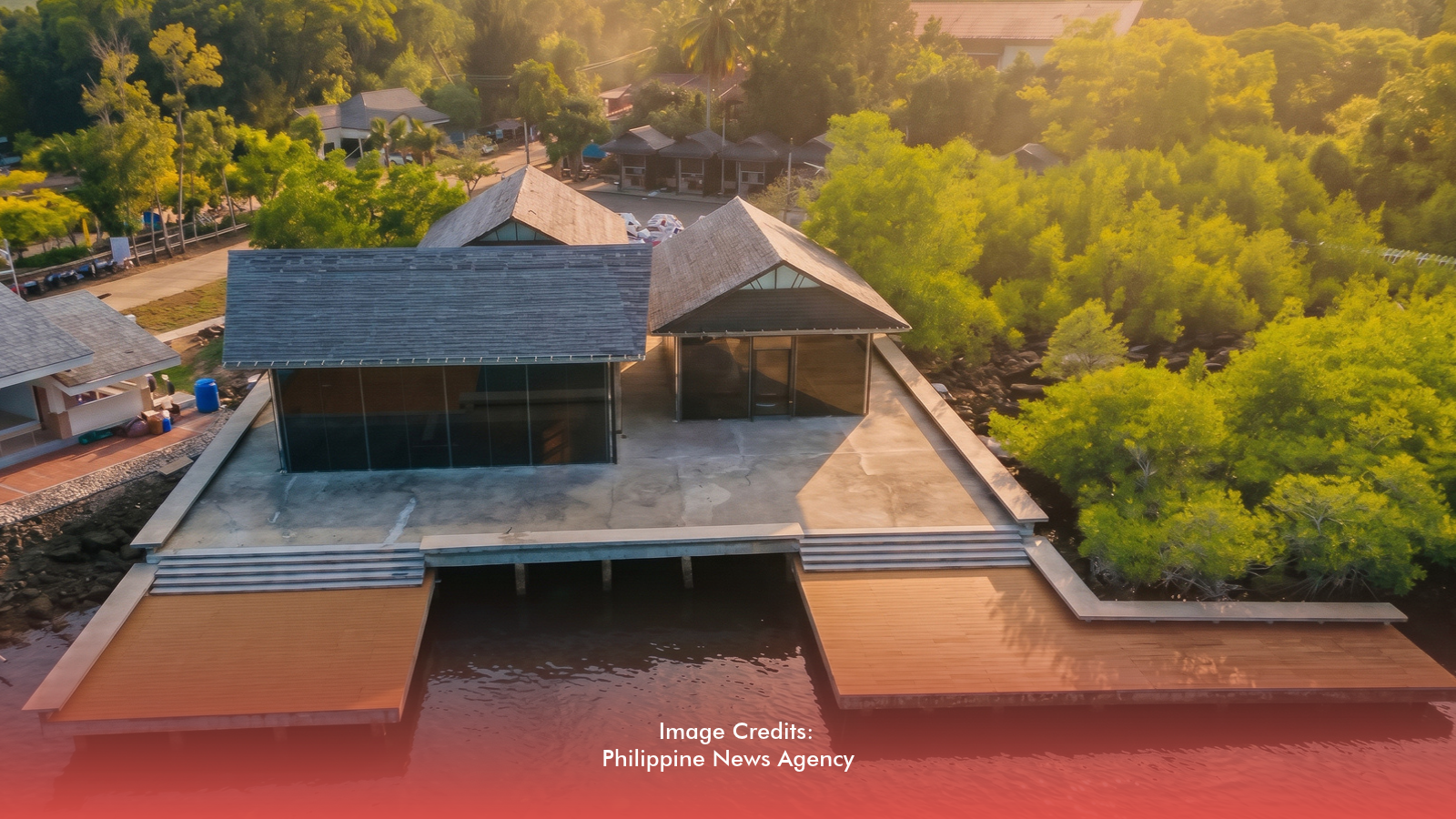
Museo Pantan officially opened on Nov. 19 at Fuego-Fuego Beachfront in Barangay Tabiawan. The museum features three glass pavilions housing historical photographs, artifacts, maps, and personal accounts that document the city's cultural development.
The facility also offers a beachfront terrace surrounded by mangroves and coastal features, providing a gathering space for residents and tourists.
Museum Highlights Isabela City's Diverse Communities
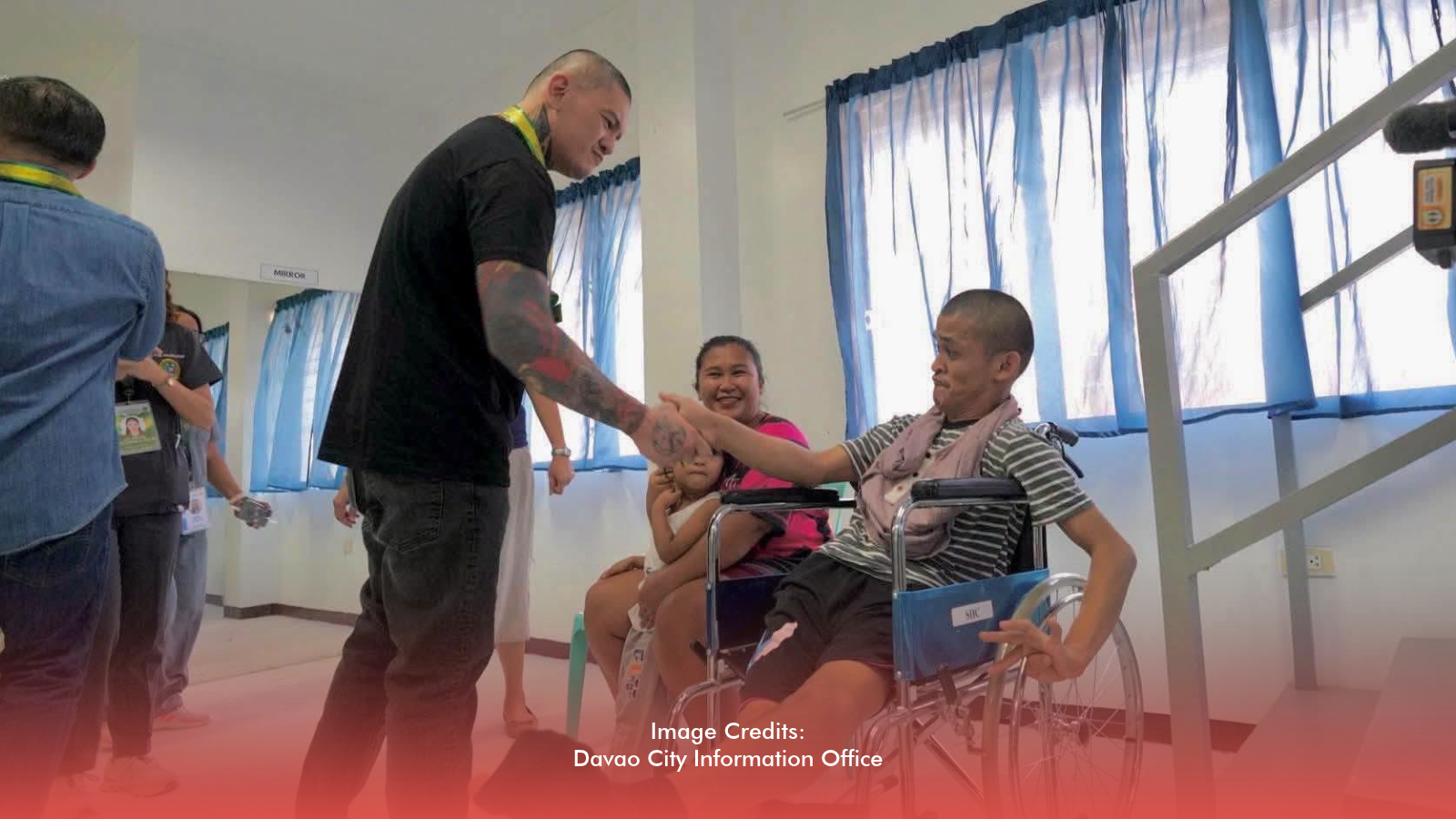
Mayor Sitti Djalia Turabin-Hataman said the museum aims to strengthen people's connection to their roots and promote understanding among the city's different cultural groups.
The name Museo Pantan draws from Yakan, Tausug, and Sama languages, where pantan describes a landing, threshold, or porch-like space connecting land and water.
With 16 languages spoken across Isabela City, the museum hopes to bring together the experiences and traditions that have shaped its identity. Hataman also emphasized the importance of passing these stories on to younger generations.
Design Integrates Nature and Heritage
Designed by Filipino architect Royal Pineda, the museum was built to complement its coastal surroundings while preserving existing mangroves and rock formations.
Nearby Sama-Bajau communities and the natural environment remain part of the visitor experience. Its glass structures also allow people to view the exhibits from outside, even when the facility is closed.
The city government initially allocated PHP20 million for construction, but the project cost eventually exceeded PHP40 million due to design changes and rising material costs.
New Stop for Cultural Tourism
Museo Pantan will be included in Isabela City's tourism circuit, adding another destination alongside its beaches and weaving centers.
According to City Tourism Officer Claudio Ramos II, the museum will also feature traditional products from Indigenous communities, including tenun (handwoven textiles) and tepo (pandan-leaf mats).
These crafts are primarily made by Sama and Sama-Bajau communities in Isabela City and other parts of Basilan.
Through the museum, the city aims to promote local craftsmanship while giving visitors a better appreciation of the cultures and communities that make up Isabela City.