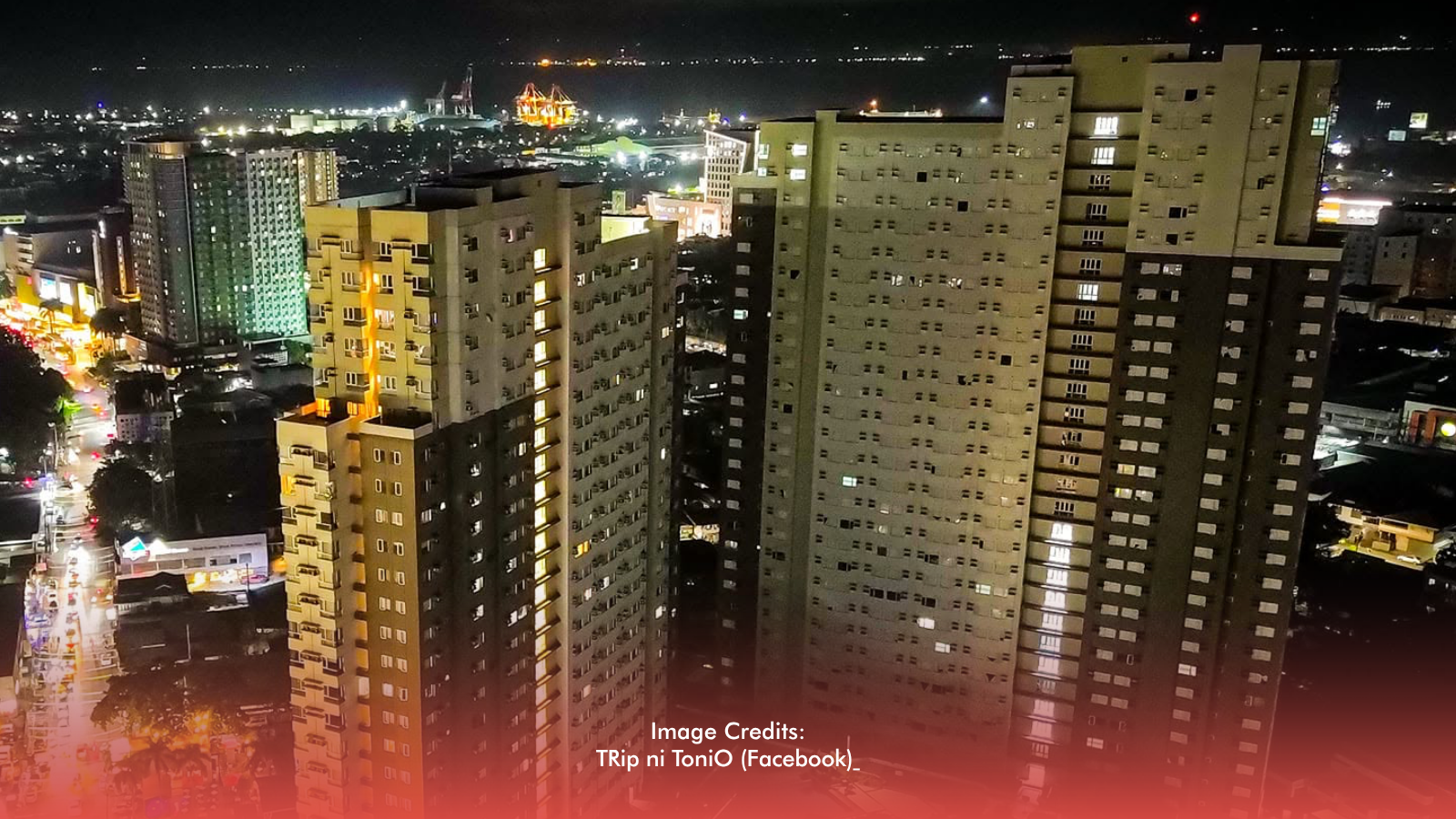
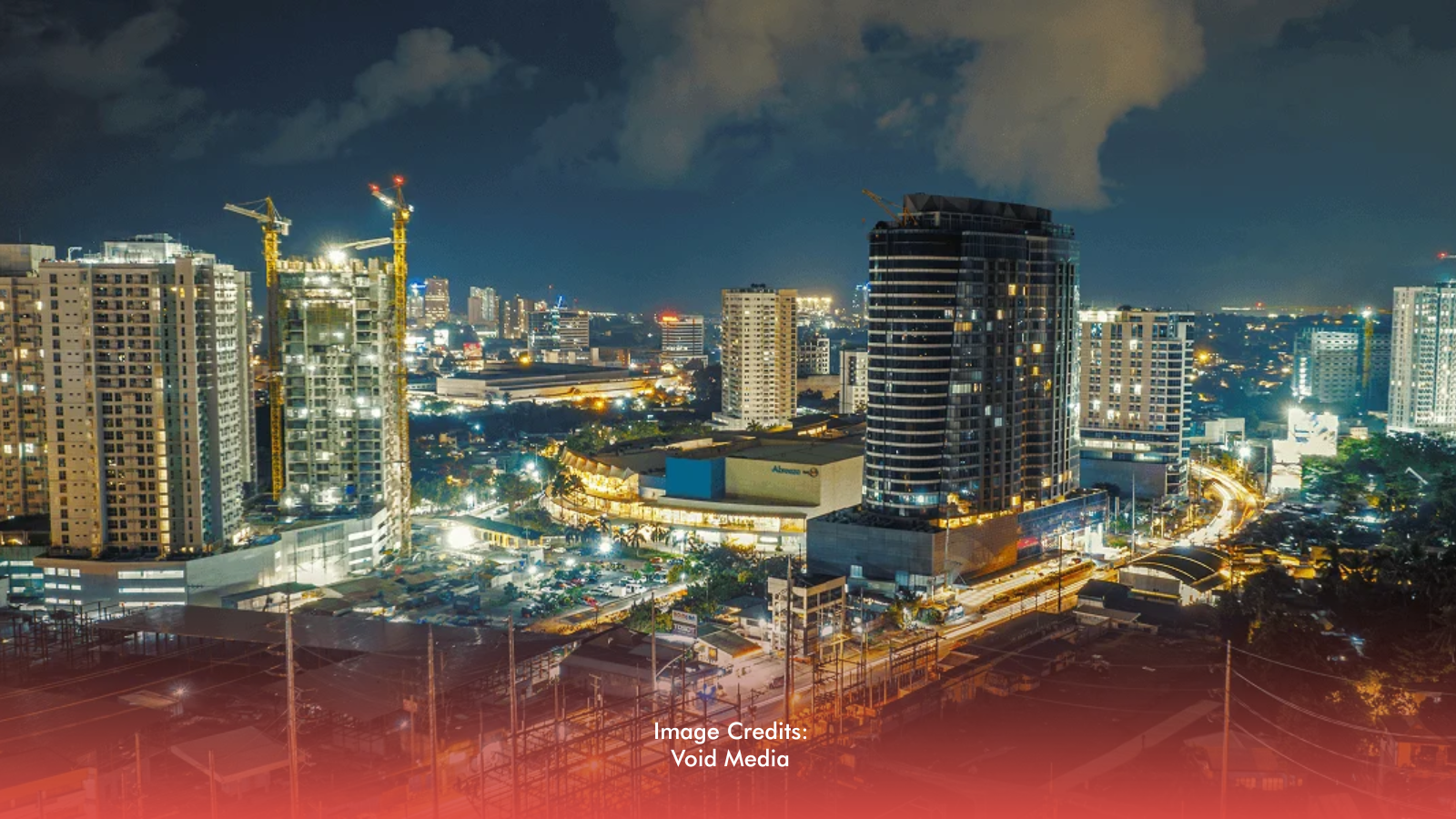
Davao City is shaping up to be one of the Philippines’ most resilient residential investment markets as the country moves toward 2026, supported by steady urban expansion, integrated township developments, and sustained end-user demand. This outlook is highlighted in a report by architecture firm Fulgar Architects, which identified Davao among several locations nationwide poised for strong residential growth.
Across the country, residential investment momentum is being shaped by infrastructure-led growth and accelerating regional urbanization. Areas with strong transport links, access to employment hubs, and master-planned environments are increasingly favored over isolated developments, as buyers prioritize long-term livability, open spaces, and community-oriented design.
RELATED: [Northern Mindanao Tops In Digital Connectivity]
Davao’s Strength Lies in Integrated, Livable Communities
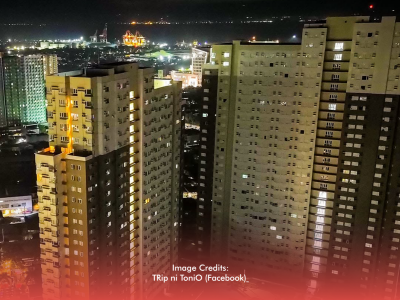
Davao City stands out due to its ongoing township projects and planned urban expansions that combine residential areas with commercial, educational, and civic facilities. These developments are forming new residential clusters designed to support daily living without overreliance on long commutes, a key advantage for families and long-term residents.
Low- to mid-density housing formats continue to perform well in the city, particularly house-and-lot subdivisions and master-planned communities that include schools, green spaces, and neighborhood amenities. This housing profile supports a family-oriented lifestyle while maintaining manageable population density.
For investors and developers, Davao offers a stable residential market anchored on long-term occupancy rather than short-term speculation, reinforcing its reputation for resilience and sustainable community growth.
How Davao Compares With Other Key Residential Markets
Other regions nationwide are also benefiting from targeted infrastructure and economic drivers. Clark and Pampanga’s growth is closely linked to the transformation of Clark into a full-scale aerotropolis centered on Clark International Airport, drawing professionals from aviation, logistics, and related industries. Bulacan’s residential expansion is supported by major national infrastructure projects, including the New Manila International Airport and expanding rail and expressway networks.
Calabarzon continues to attract housing demand due to its proximity to Metro Manila and its role as a major industrial and manufacturing hub, favoring permanent residential developments over speculative buying. Metro Manila, despite land scarcity, remains irreplaceable, with future residential success hinging on walkability, transport integration, and mixed-use redevelopment rather than sheer density.
Outside Luzon, Cebu maintains its position as the most diversified residential market, while Iloilo and Rizal benefit from improving infrastructure, lifestyle-driven demand, and relatively lower congestion.
Davao’s rise as a residential investment destination translates into more housing options that balance accessibility, affordability, and quality of life. For the city and the country, it underscores the growing importance of regional growth centers in easing pressure on Metro Manila while supporting more inclusive and sustainable urban development nationwide.
RELATED: [MinDA Introduces Real-Time Tracking Tool For Development Projects]