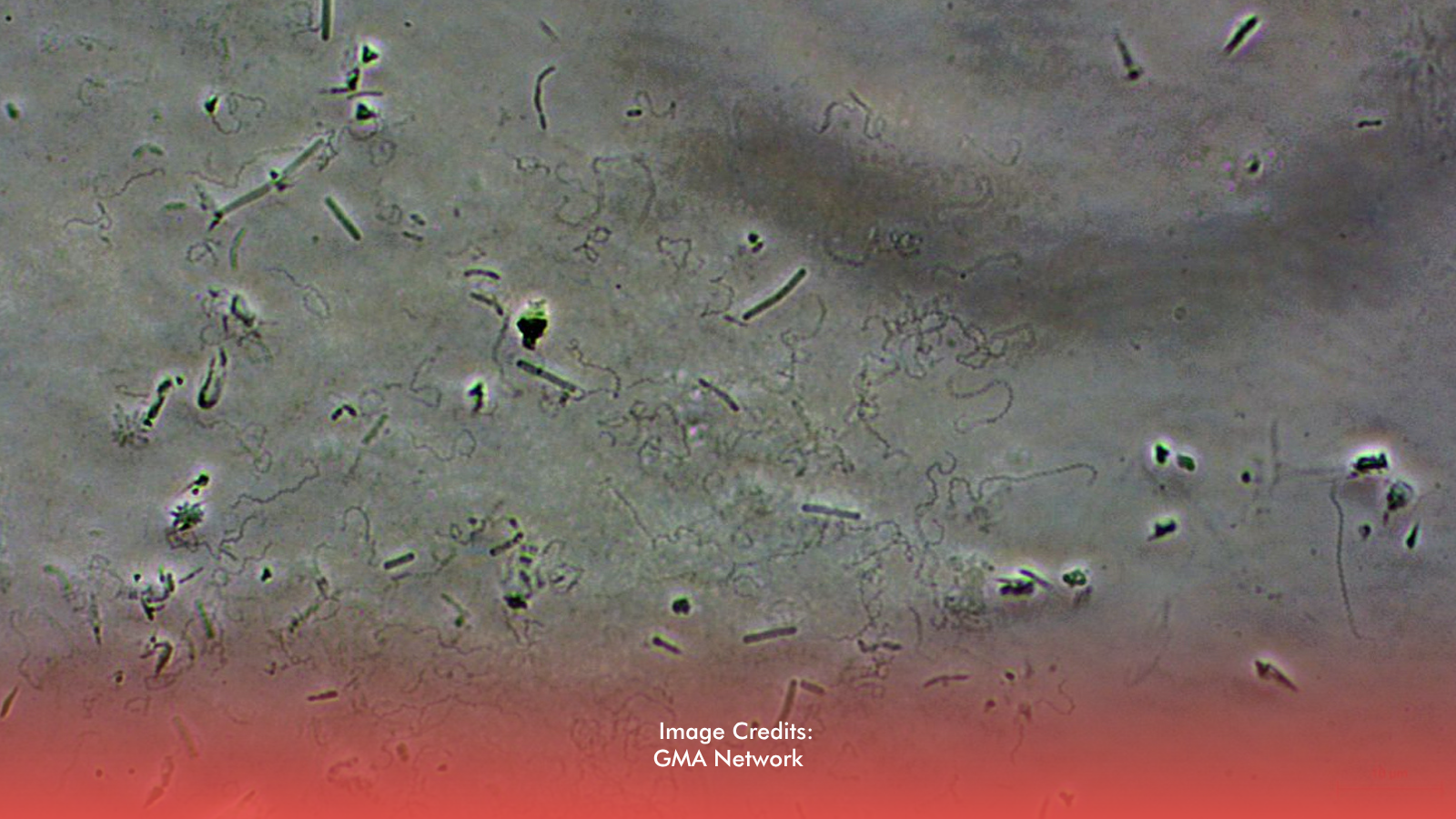
Leptospirosis risks may extend beyond floodwaters, as researchers from the University of the Philippines Diliman (UPD) have detected the bacteria that cause the disease in soil and an urban waterway in Metro Manila.
Two peer-reviewed studies by scientists from the UPD College of Science (UPD-CS) and the Philippine Genome Center (PGC) examined the presence of Leptospira and its genetic characteristics, providing new insights into how the bacteria exist in the environment.
Leptospira Detected at Five Estero de Paco Sites
In the first study, researchers examined Estero de Paco, a waterway that passes through densely populated and flood-prone communities in Metro Manila.
The team collected soil and water samples from five sites along the estero and detected Leptospira at every location. The results suggest that the bacteria may be distributed across an entire waterway rather than concentrated in a single contaminated area.
Ram Julius Marababol, who led both studies, said people often associate leptospirosis with floodwater after typhoons, overlooking the possibility that the bacteria may already be present in everyday surroundings.
The findings suggest that urban soil and waterways also warrant attention when assessing potential exposure to the disease.
Scientists Urge a Broader Approach to Monitoring
The presence of Leptospira at all five sampling sites highlights the limitations of focusing only on specific contamination hotspots.
Dr. Windell Rivera, the study's senior author and Marababol's supervisor at the PGC, said efforts to address the problem should consider the entire waterway.
According to Rivera, identifying and cleaning a single contaminated spot may not be enough if the bacteria are present throughout a connected water system.
The researchers said their findings point to the need for wider environmental surveillance and interventions that cover entire waterways instead of relying on samples from only a few locations.
Study Uncovers Genetic Data on Philippine Strains
Beyond examining where the bacteria are found, the researchers also investigated their genetic characteristics.
They discovered that Philippine Leptospira strains differed genetically from previously sequenced strains. The second study also documented the first genetic sequencing of Leptospira yasudae from the Philippines.
According to the researchers, this marked only the 10th time the species had been genetically sequenced worldwide.
The discovery adds a new Philippine reference to the global genetic record of the species and provides researchers with additional information for studying Leptospira in the country.
Together, the studies expand scientific understanding of the bacteria's presence in urban environments and their genetic diversity, offering a basis for further research into environmental leptospirosis risks.