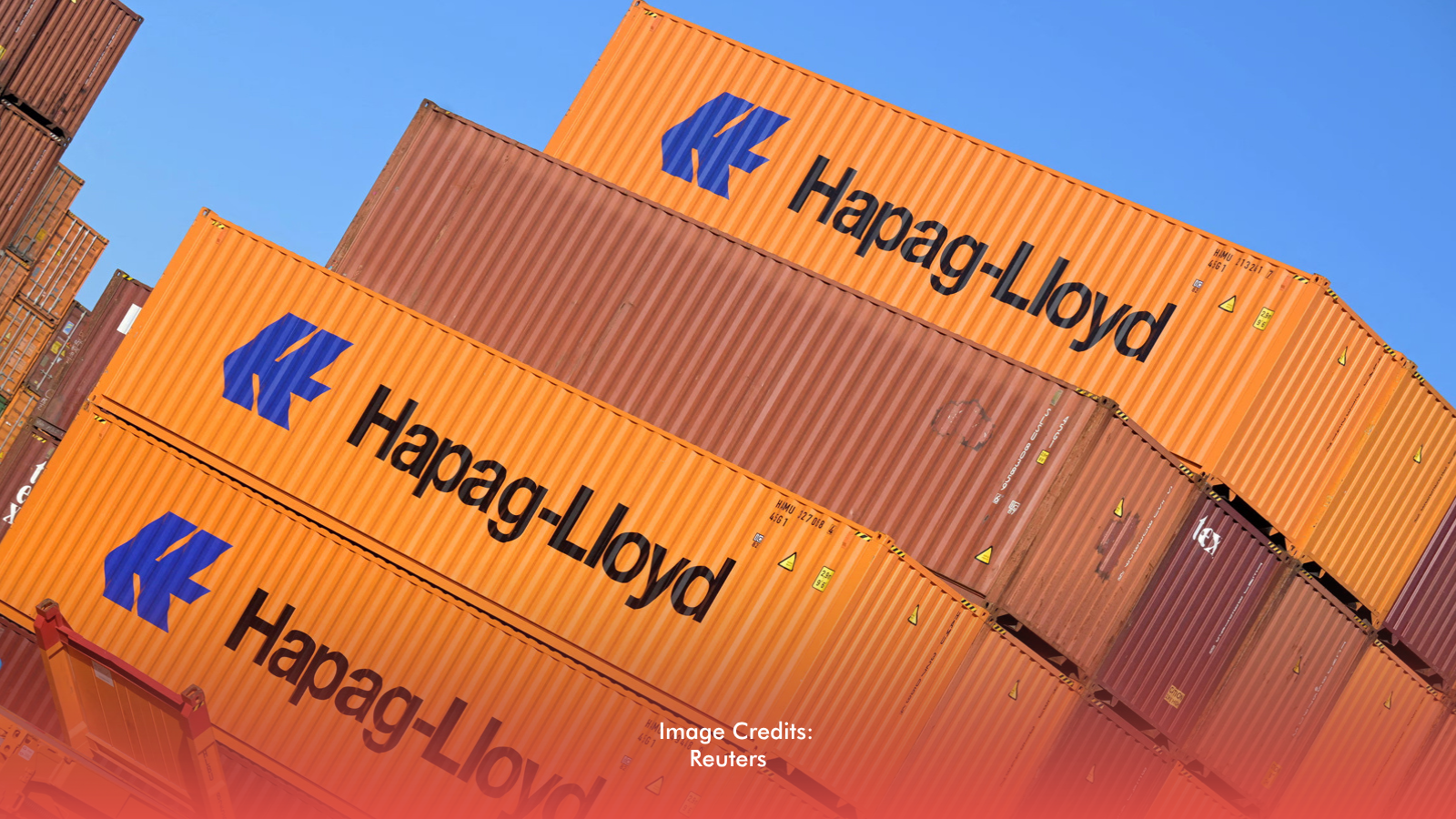
German shipping giant Hapag-Lloyd has suspended new cargo bookings to Manila, Batangas, and Subic Bay until December 31, 2026, citing persistent port congestion and limited capacity for storing and returning empty containers. The move has raised concerns about possible disruptions to Philippine manufacturers that depend on imported components.
In a customer advisory issued on September 29, the company said the suspension covers shipments from all origins and across all trade lanes bound for the three Philippine ports. The measure is intended to prevent further pressure on the affected locations while Hapag-Lloyd works with local partners to address the backlog and improve container movement.
Existing bookings may also be affected. The company said its customer service team would contact clients if shipments require cancellations or revised arrangements. Any changes to the suspension period will be announced separately.
Electronics Manufacturers Face Potential Supply Disruptions
The Philippine Chamber of Commerce and Industry (PCCI) has warned that electronics manufacturing services (EMS) companies could be particularly exposed to the suspension.
PCCI president Perry Ferrer said EMS firms rely heavily on sea freight to transport imported components, while semiconductor companies generally ship their products by air.
The distinction matters because delays in receiving components can affect manufacturing schedules and supply chains, even when finished products can be shipped through other channels.
Ferrer said the chamber would first verify the reasons behind the booking suspension. If port congestion is confirmed as the main cause, PCCI plans to raise the issue with the Bureau of Customs.
The chamber also supports a proposed joint administrative order intended to strengthen oversight of international shipping and logistics, address shipping charges, and improve port efficiency and transparency.
Empty-Container Backlogs Add to Port Pressures
The suspension comes amid complaints from customs brokers and truckers over difficulties returning empty shipping containers, a problem that can slow container movement and worsen congestion across port and logistics facilities.
Hapag-Lloyd said the restrictions were necessary to limit additional pressure on the affected locations while efforts to clear the backlog continue.
The company ranks fifth among the world's container shipping lines by fleet capacity. Alphaliner data as of October 13, 2026, showed that it operates 289 vessels with a combined capacity of approximately 2.41 million twenty-foot equivalent units (TEUs), equivalent to about 7% of global container fleet capacity.
Although other shipping lines continue to serve Philippine ports, Hapag-Lloyd's suspension could narrow the options available to importers using the carrier's services. Depending on available capacity and alternative routes, affected businesses may face additional logistics costs or shipment delays during the year-end shipping season.
The actual impact will depend on how long the suspension remains in place, how quickly port congestion eases, and whether alternative carriers can accommodate affected shipments.