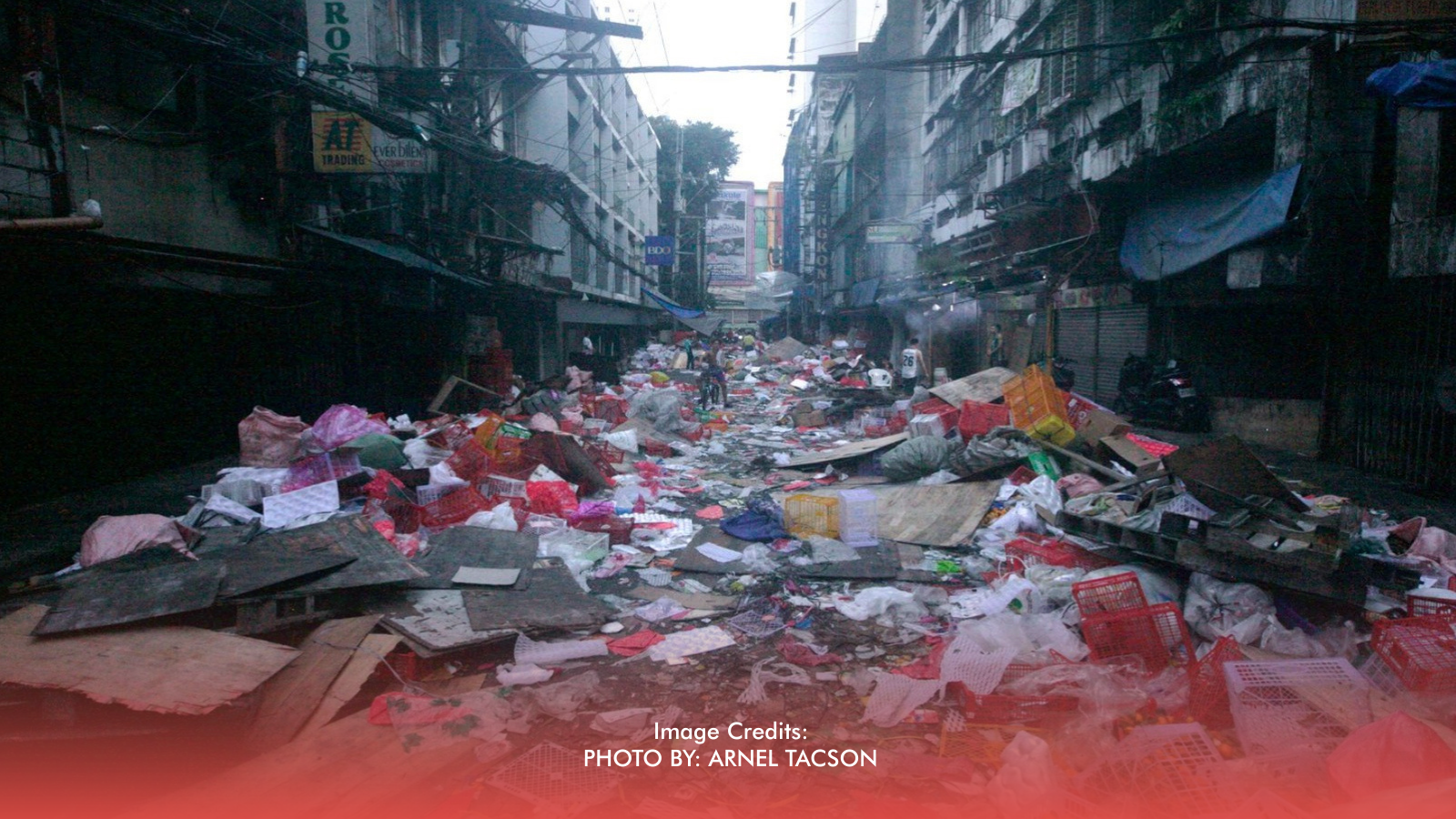
January is celebrated nationwide as National Zero Waste Month, a campaign promoting waste reduction, reuse, and recycling. Yet instead of a clean start to the year, Metro Manila was greeted with massive volumes of garbage following New Year’s celebrations.
New Year Trash Highlights a Recurring Problem
A total of 160 garbage trucks were deployed across the city from Wednesday night to Thursday morning to collect waste, according to the Manila local government unit. Reports showed that 956 metric tons of garbage were collected as of 8 a.m., with 887 metric tons hauled by Leonel Waste Management and 69 metric tons collected by the Department of Public Services (DPS).
Of the fleet, 19 trucks came from DPS, while 141 trucks were dispatched by Leonel. The sheer volume highlights a recurring issue: while residents celebrate the New Year, proper waste disposal and reduction often take a back seat—ironically at the very start of Zero Waste Month.
Learning from LGUs That Make Zero Waste Work
The situation underscores the need for stronger, long-term waste management strategies, similar to those implemented by progressive local government units such as Las Piñas.
One example is the School Chairs from Recycled Plastic Wastes Project, born from the Sagip-Ilog o Las Piñas–Zapote River Rehabilitation Project launched over two decades ago. The program reduces plastic waste, addresses shortages of school chairs in public schools, and provides livelihood opportunities for local communities—proving that waste can be transformed into useful and socially beneficial resources.
Las Piñas is also home to an award-winning Kitchen Waste Composting Project, initiated in 2002 by Cynthia Villar. The program converts kitchen and garden waste into organic fertilizer through barangay-level composting facilities using rotary and vermicomposting methods, reducing pollution in the Las Piñas–Zapote River and saving the city millions annually.
As National Zero Waste Month continues, the challenge remains: will more LGUs move beyond cleanup operations and invest in sustainable, long-term waste management systems like those in Las Piñas? Waste does not simply disappear. Without consistent reduction, recycling, and community involvement, garbage will continue to pile up—undermining the very goals of Zero Waste Month.