
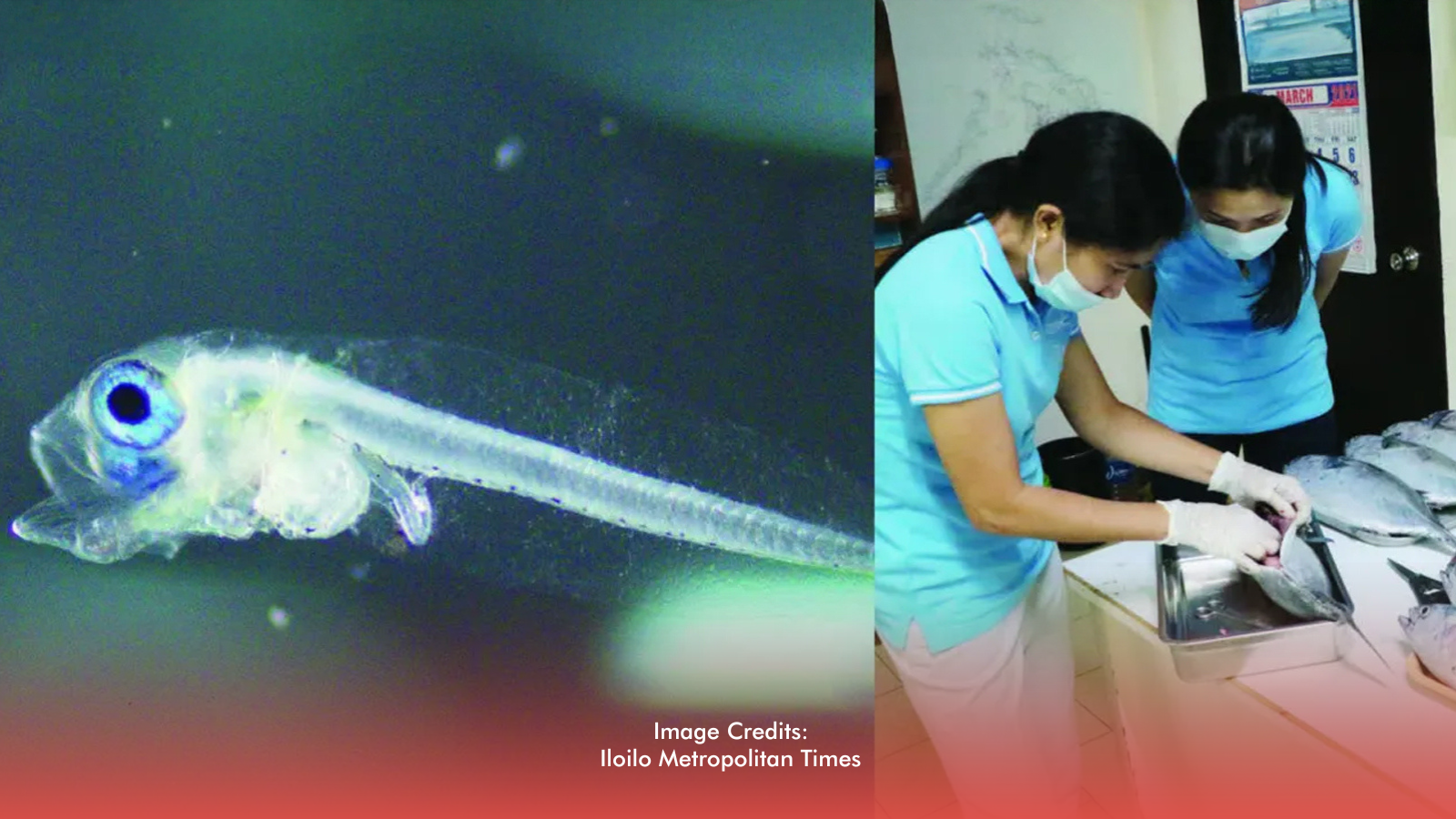
Philippine fisheries scientists have achieved a global first after a mackerel tuna locally known as tulingan successfully reproduced under fully captive conditions without the use of hormone injections. The breakthrough was announced by the Southeast Asian Fisheries Development Center – Aquaculture Department (SEAFDEC-AQD) following observations at its research facility in Tigbauan.
The species, kawakawa (Euthynnus affinis), is widely consumed in Southeast Asia but has long been considered extremely difficult to breed in enclosed systems. SEAFDEC said the first natural spawning event was observed in July 2025, with repeated spawning recorded through September.
Natural Spawning Breakthrough
SEAFDEC-AQD deputy chief Takahiro Sajiki said tuna species are among the most challenging candidates for aquaculture because of their highly migratory nature, fast swimming behavior, and sensitivity to confinement stress. These traits have forced most tuna-farming operations worldwide to rely on wild-caught juveniles.
Kawakawa, a small coastal tuna, has been particularly difficult to raise to maturity and induce to spawn in captivity, making the recent hormone-free spawning a major scientific milestone.
Years of Brood Stock Research
The success followed years of systematic brood stock research led by SEAFDEC-AQD researcher Irene Cabanilla-Legaspi, who has managed the kawakawa project since 2020. Instead of artificial spawning induction, the team focused on refining brood stock care, monitoring fish behavior, and tightly controlling environmental conditions.
Juvenile kawakawa were collected using otoshi-ami fish traps in Antique province and carefully conditioned before transport. Water quality, dissolved oxygen, and bacterial levels were closely monitored to reduce stress and ensure fish health.
Toward Sustainable Tuna Production
Leobert de la Peña, head of SEAFDEC-AQD’s research division, said strict handling and transport protocols resulted in high survival rates—an important step toward domestication.
SEAFDEC-AQD chief Dan Baliao said the achievement brings scientists closer to establishing full-cycle culture technology for kawakawa, from egg to spawning adult. Researchers noted that kawakawa matures faster than large oceanic species and thrives in coastal waters, making it a promising candidate for sustainable aquaculture.
The study was conducted under a Japanese Trust Fund–supported project aimed at developing full-life cycle culture and stable production technology for kawakawa.