The National Security Council and Malacañang have rejected claims linking the Philippines to terrorist training following reports that the suspects in the deadly Bondi Beach shooting in Australia had previously stayed in the country. President Ferdinand Marcos Jr., through Palace officials, dismissed what was described as a sweeping and misleading narrative portraying the country as a training ground for Islamic State (IS)-linked extremists.
Palace press officer Claire Castro said the President “strongly rejects” such allegations, stressing that they are unsupported by verified intelligence. While authorities confirmed that the suspects spent nearly a month in the Philippines before returning to Australia, the NSC emphasized that there is no validated report or confirmation that they received any form of extremist training during their stay.
No evidence of terror training
In a statement read by Castro, the NSC said the individuals involved in the Bondi Beach incident were not monitored for terrorist activity and that their visit did not raise security red flags at the time. The council cautioned against drawing conclusions based solely on travel history, noting that such claims risk unfairly stigmatizing the Philippines.
The NSC added that assessments by international partners, including the United Nations and the United States government, do not support assertions that active IS training networks are operating in the country.
Security gains since Marawi
Authorities pointed to significant security improvements since the 2017 Marawi siege, the last major IS-linked attack in the Philippines. Since then, sustained military and law enforcement operations have weakened extremist groups and disrupted their networks.
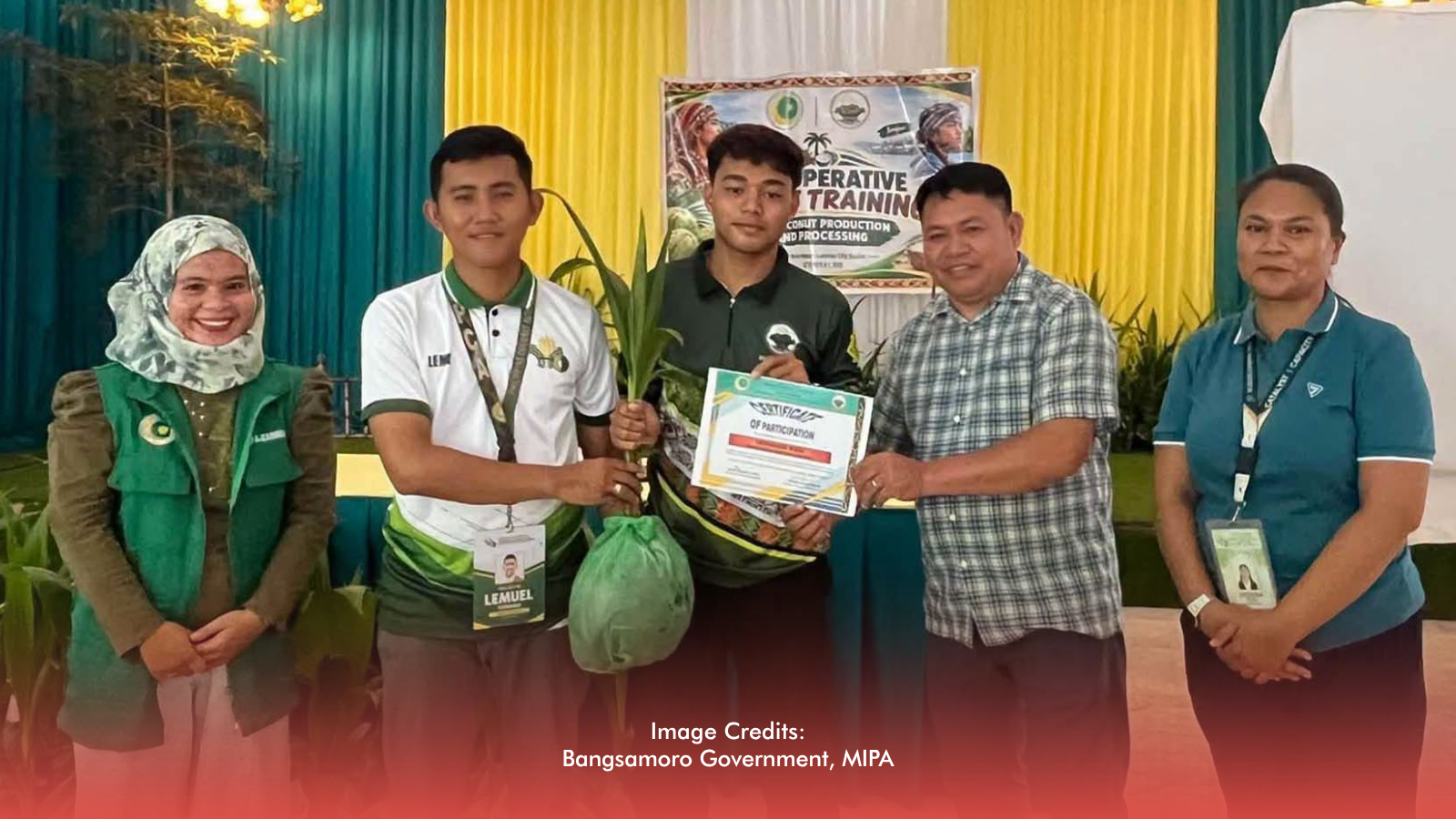
The military said the overall terrorism threat level in parts of Mindanao has shifted from high to low. The security situation in the Bangsamoro Autonomous Region in Muslim Mindanao has also “markedly improved,” reflecting stronger coordination among security forces and local governments.
Terror groups in decline
Armed Forces of the Philippines spokesperson Francel Margareth Padilla said membership of IS-linked local terror groups has dropped sharply, from 1,257 members in 2016 to about 50 in 2025. At least 10 senior leaders have been killed since Marawi, leaving the remaining groups fragmented and largely defensive.
As a result, Padilla said these groups no longer have the capacity to conduct large-scale attacks, sustain recruitment, or run training activities—reinforcing the Palace’s assertion that the Philippines is not an IS hot spot.